5 reasons to consider bad credit credit cards
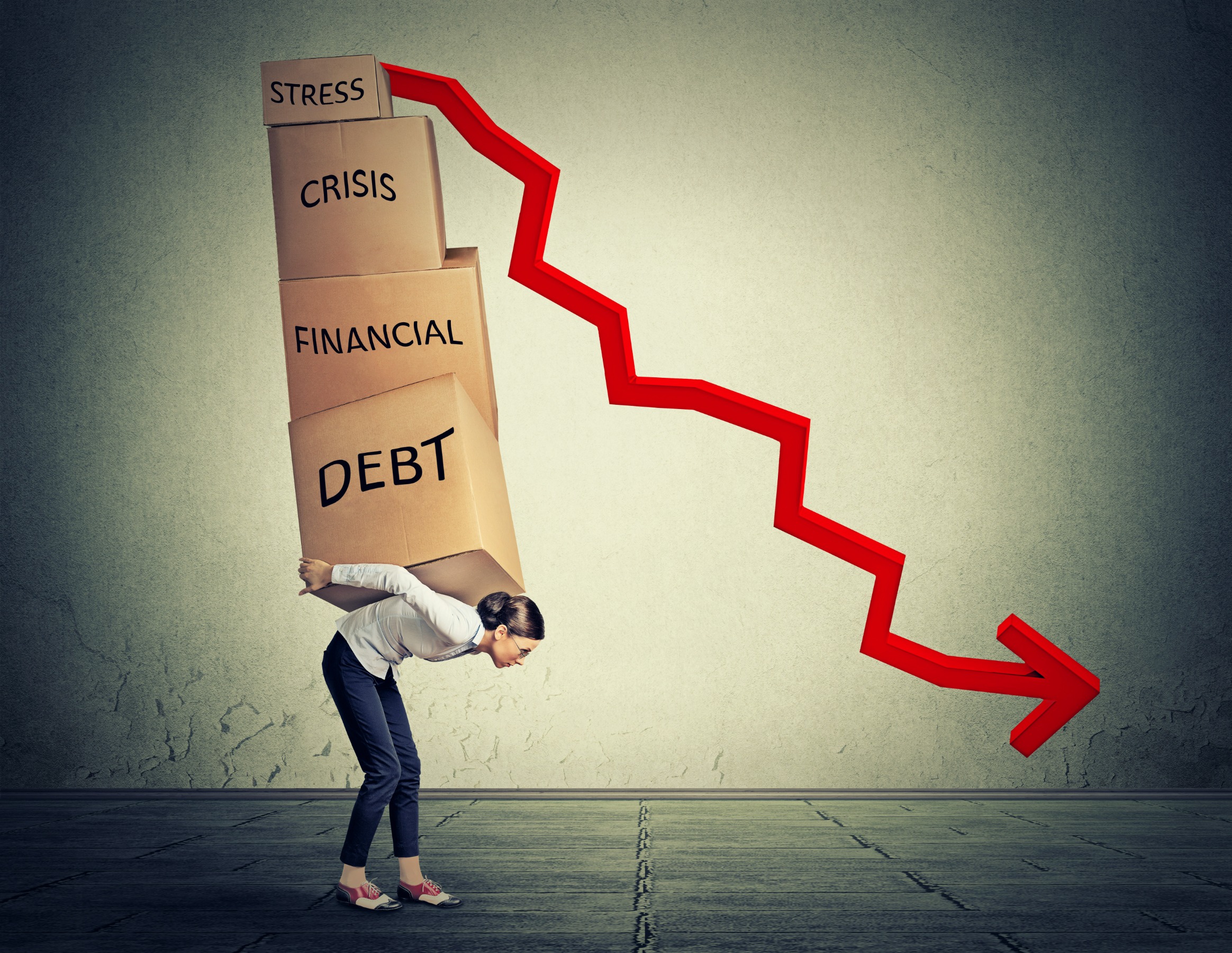
Credit cards have today become a ubiquitous financial tool that can prove to be very useful in certain circumstances. However, there are a number of possible reasons why an individual might face problems or difficulties getting credit from financial institutions that provide credit.
Amongst the main reasons why individuals might be refused credit is poor credit ratings due to bad credit in the past (ratings may be affected by previous failure to repay loans or bills). It may also be due to a lack of credit history as a result of self-employment, part time employment, unemployment, low income, no income, changes in address and even not being on the electoral register.
For anyone encountering credit issues, there are several bad credit credit cards available on offer that may be worth considering.
Designed for people with less than ideal credit scores or a lack of credit histories, these credit cards can prove to be a step in the right direction for those plagued by the lack of or poor credit ratings.
First and foremost, applying for bad credit credit cards can help an individual improve and better his or her credit rating. Every time an individual applies for credit, the credit provider makes checks of the financial history of the applicant, to determine the risk involved in the loan.
Late or missed payments show up on the history and may result in poorer credit rating. Those without established credit history may also be categorized by lenders as being more risky to lend to because of the lack of credit information of financial credibility.
However, establishing a history of diligent, responsible and prompt payments can result positively for an individual’s credit rating. Credit cards can thus help those with bad or no credit histories to get back on track, or to get on the track in the first place.
Following from the above, for those with bad or no credit, credit cards can be a fresh start to establish sound credit history, or to improve bad credit rating.
By using credit cards wisely and responsibly, making prompt payments and keeping within the given credit limit, poor credit ratings can be repaired in a relatively short span of time.
Even with poor or no credit ratings, credit cards can help individuals to make a head start in getting in control of their finances, managing their monies and planning for the future.
With the establishing or the rebuilding and improving of credit ratings through the responsible use of credit cards, individuals previously overwhelmed with bad credit issues can look forward to a better and brighter financial future.
This includes increased possibilities of better interest rates on credit and loans taken in the future, higher limits on credit cards over time and better terms and conditions for refinancing.
A good credit rating will open potential credit applicants up to easier and quicker approval for a wider variety of financial products. Not only does this put an individual in a stronger position to negotiate better terms with the credit provider, it also increases loan options for the individual.
As lender confidence increases with better credit ratings, more options for credit and loans will also be available to the individual. This will come with a higher chance of approval for credit or for taking out loans.
Bettering credit ratings or establishing credit histories notwithstanding, credit cards can be highly useful even for those with poor credit standing. These financial tools can prove to be lifesavers in the events of emergency, where there are expenses incurred that might go beyond what can be afforded just by using savings.
For these unfortunate events, such as repairing damaged property or financing medical procedures, credit cards can prove to be very helpful, as long as the credit is repaid as promptly as possible.
How being rejected for credit can harm your credit rating
Gone are the days when credit was easy to come by. Banks have done a u-turn on the supply of credit since the economic crisis and subsequent recession.
Even if you were always able to get credit easily in the past, you may now find yourself being rejected for no apparent reason.
Unfortunately, it is a vicious circle of rejection and further rejection, for even one rejection weakens your credit score and can lead to more.
Credit scoring can be a mysterious thing and not all lenders adopt the same approach, so it can be difficult to know how to improve it.
If you receive a lot of rejections, then your credit score must be low, or you have a poor credit history. If you have only been rejected once, then you may not just fit those particular lenders’ parameters.
There are a number of things you can do to improve your credit score and get back on track.
One option is to look at applying for bad credit credit cards. These cards are designed for those with a poor credit rating.
If you are someone with a bad credit rating, you will not be considered for the most competitive deals on the market but a bad credit credit card is ideal if you have poor rating or you have little or no credit history to assess.
One of these cards can go a long way to improving your credit rating and in return giving a better chance at securing a more competitive credit card deal in the future.
Bad credit credit cards are essentially a trial run, a chance for you to demonstrate that you can manage credit and debt responsibly.
After all, a credit card can be a very useful thing to have in certain scenarios, for example it is a good idea to make any purchases over $100 on a credit card as this offers you a certain level of protection should anything go wrong.
If the goods you buy are faulty, or the company you purchase from goes bankrupt, your payment is protected, unlike if you had paid cash, or by debit.
They are also very useful for purchasing products on the internet, an increasingly popular way to shop.
These cards do, of course, come with certain drawbacks, as part of their remit is to encourage responsible lending. So naturally the annual percentage rates (APRs) are much higher than on other credit cards on the market.
You will not be able to access any interest free deals on these cards either. By operating strictly within the rules of these cards, that is paying them off every month in full so you do not incur interest, you can work towards improving your credit rating.
It is also a good way to build up a good credit history from scratch. Another point to remember is that payment protection insurance is costly and if you feel you might need it, then check out some stand alone providers first as they often offer better value.
Bank Fee Fiasco
Following the financial markets meltdown, banks are under increasing pressure to act more responsibly whilst rebuilding confidence in the financial systems and rebuilding their financial strength.
However, with many of the apparently easier ways to make money now gone, banks are resorting to ever more clever ways of earning fees.
Savings rates (linked to Reserve Rates) are at record lows. Real savings rates are negative, as inflation runs at much higher rates. Careful savers are being penalised by seeing the purchasing power of their money reduced over time.
Banks respond by using term savings products that encourage savers to fix savings into one, two or up to five year terms, meaning that they lose ready access to their money and have to take a risk on where future money cost rates will go.
Banks have increased both the frequency and amount of fees being charged. Now it is common place to have administration fees for services that were once free. Application fees, for example, are also being charged for loans or mortgages.
Obtaining a credit card has also become much harder. Even the number of balance transfers deals that were once common have reduced. But for the customer with a good credit history, this can be an excellent way of reducing the very high charges levied by banks on debt balances. Continue reading “Bank Fee Fiasco” »
How to bank cleverly
The development of the financial markets over the past twenty years has led to a wide range of products and services that can help us handle all our money matters.
Sometimes the choices are bewildering and sorting out the essential from the desirable and the best value from the expensive can be devilishly hard.
Furthermore, many of the offers that look attractive on the surface can turn out to be expensive in the long run once the introductory offers have expired, so making sure that the product chosen suits the need you have is important.
Comparison websites that cover all the financial services products can play an extremely valuable role in saving time and comparing products on a like for like basis.
Banking services, for many, mean a mortgage, insurance, current account, loans and credit cards. Added to that may be the need for a savings account where a rainy day fund can be managed.
As you can see, that is already a bewilderingly large number of services, so any expert help and advice to sift through the many offers has to be advantageous.
Financial service providers depend on consumer inertia to make money and, generally speaking, people do not move bank accounts or apply for new credit cards once they already have them.
That means that banks and other providers are able to charge high prices for borrowing and low rates for saving for those accounts that have been open for some time.
To get hard earned money working best, the consumer has to be prepared to shop around and take advantage of the many offers as they arise.
There is a balance, however, as constantly applying for new accounts, cards or savings accounts can adversely affect the credit record and the providers will determine that you are a savvy shopper and may decline your business.
So the art is to be clever. It is not possible to take advantage of all the offers, so make sure to optimize what works best.
Take credit cards, for example. There are many interest free transfer deals available on comparison sites such as Moneysupermarket, but ensure you are getting the best free period linked to the lowest fee charged and, if you plan to use the card for forward purchases, the lowest interest rate.
No balance transfer card comes truly free, so carefully calculating the cost of the fee versus the length of the free period is important. Ideally, a balance transfer card can give an interest free period in which to pay off the balance without incurring new spend at their high rates of interest.
As a rule of thumb most online accounts offer better deals, so online banking is usually the way to go.
Savings and insurance are other complex areas where care is needed to make sure that the best combination of either rates or cover are achieved. With inflation exceeding most savings rates, getting every last penny of interest can make a big difference over time.
As with all shopping, it pays to browse the market before choosing which products to buy but, unfortunately, that takes time, even though much of the hard graft has been done by experts to make the task easier.
Timing can also be important as offers come to the market and can expire quickly, so keeping an eye to the market by regularly checking the options can improve the chances of getting the best deals.
Debt consolidation: The Pros and Cons
If you have outstanding debt on more than one credit line, for example loans, overdrafts and credit cards, then it can be a struggle to keep up with all of the monthly repayments, not least because you have to keep up with different bills coming in at different times.
That is why many people turn to debt consolidation loans as having the debt in one place makes it easier to manage. In addition, the monthly repayments can often work out to be cheaper.
There are a number of ways that you can consolidate your debts, for example through loans or remortgages, and each have their own advantages and disadvantages.
Writing a successful budget
The key to writing a successful budget lies in the detail as a budget relies on making sure that all income and expenditure items are accurately assessed and included so as to ensure that nothing is missed.
Perhaps the most straightforward place to start is by listing all sources of income, be it is salary, bonus or interest from savings or from a pension it is important to know what you have to spend before you get to spending it!
As with any budget, looking at too short a period can mislead as the timeframe may not include all payments, for example, some income may come as annual bonus or in quarterly interest therefore look at the whole year where possible to determine an average month.
This will give you an idea of what needs to be saved in months where there is a bumper income and help understand why you may run out of cash at other times.
Next is to get to grips with the outgoings. This is usually harder since not everyone keeps a handle on what they spend and where. Start by taking the big costs like mortgage or rent payments. These will be followed by utility bills for electricity, council tax, gas and telephone.
Looking over a year will also help to remember items like household and car insurance bills. Remember that as part of the budget process you can use a comparison website such as Moneysupermarket to check if you are getting the best deal.
The next layer of cost is usually more difficult to assess since it covers items such as food, clothing and entertainment. Analyse credit card and bank statements over a long period to get an accurate feel for real expenditure rather than guessing.
Remember that any budget will never be 100% accurate – that is not really the purpose. It is to provide you with a guide to where your money is spent and what you have left over to save or spend on luxuries. Using comparison websites as a reference guide can also show ways you may be able to spend less and earn more.
Armed with a good all-rounder comparison website, your salary slips, credit card and bank statements it should be a straightforward task to create a family budget that optimises income and expenditure. These days, that can be the difference between a comfortable lifestyle and struggling to make ends meet.