Before we get into the article, I want you do something for me.
Hold your hands one foot apart, palms facing each other.
Look at the gap – that’s how much you’ll save by cutting expenses.
Don’t move.

Before we get into the article, I want you do something for me.
Hold your hands one foot apart, palms facing each other.
Look at the gap – that’s how much you’ll save by cutting expenses.
Don’t move.
 Often people lump debt into one of two categories – “good” debt and “bad” debt.
Typically good debts refer to student loans, business loans, and anything resulting in your general betterment. Bad debt includes all of life’s temporary luxuries.
There’s another side of debt many people don’t often consider. Not a separate group, it’s more a subcategory to both good and bad debt .
What I’ll call the “Convenience Tax” refers to our preference towards making things easier. Not completely unwarranted, with the technologies available this day in age, why would you go out of your way to make yourself uncomfortable?

I wouldn’t go so far as to say I’m a bargain hunter. My grandparents drive into another state for better gas prices. Unfortunately I don’t have the leisure of spending hours searching for the absolute best deal out there.
My time, like everyone else, is limited. But one thing is for certain, I NEVER pay full price for ANYTHING….well, most of the time anyway.
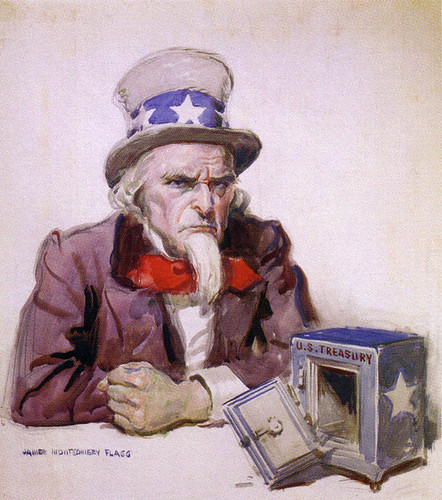 At first, I thought this was a relatively good idea. It seemed simple enough to understand. Americans don’t like to save, but more importantly don’t like work. So set up a program to promote the former by capitalizing on the latter.
Huzzah! Americans’ retirements saved!
After thinking about it some more, I’m having reservations. Here’s a few things I see wrong with these type of programs.
Sure, it would be great to have that money set aside when I’m older, but would a forced savings plan create better savers now? I don’t think so. If anything, it could drive youth away from saving. If you knew the government was automatically setting aside your retirement, where’s the incentive to do more?
Programs of this nature do not empower people, they coddle them into dependence. It seems policies, even those well-intentioned, revert to the idea that we are simply too dim to decide for ourselves. There’s always spectacular fanfare behind the programs the government churns out, yet they consistently fail to address the deeper issues.
Specific to the case, it’s not about capitalizing on our laziness, but transitioning our LIFESTYLES from spenders to savers.