

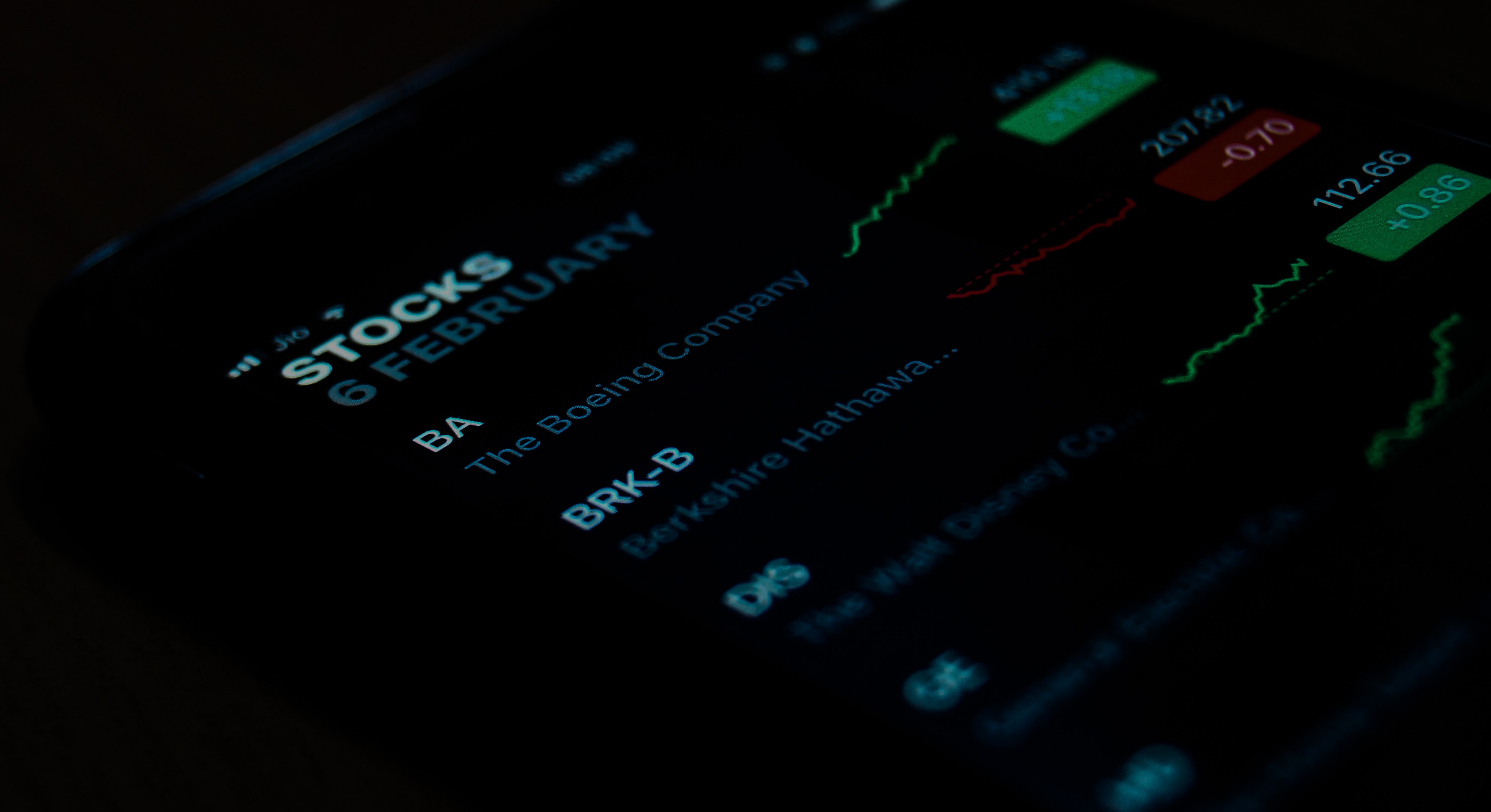
Stockbrokers are tasked to make transactions on behalf of their clients, receiving a commission as part of their payment. The tricky part of a broker’s job description is their decisions directly and instantly affect other people’s wealth. Brokers are tasked to trade stocks and make decisions instantaneously which are favorable to their clients.
It is a stressful yet rewarding job. Once you get the hang of things, you can make quite a lot of money through commissions added to your base salary. However, small mistakes might lead to huge consequences. To be a stockbroker, you need to be well aware of the market trends to make appropriate decisions. Here are some of the things you might want to look for.
1. Inverted Yield Curve
This inverted yield curve usually occurs when there is a reverse occurrence of a particular situation. For instance, investors accept lower returns on long-term than short-term debt securities. This is the complete opposite of the typical course of events wherein longer-term interest rates are higher than shorter-term rates.
This is highly dependent on the investor’s preferences of liquidity premiums in long-term investments. If you see an inverted yield curve, take it as an indication of an impending recession. It is highly abnormal for investors to accept lower rates on five to ten years securities, especially if they are on one-month security.
2. Widespread Complacency
The way investors interpret the financial market refers to market sentiment. Positive sentiments tell a rising market, whereas a negative sentiment points to a bear market. Economic and political factors may influence the current stock trends, such as a low employment rate, inflation in the Consumer Price Index, or rising government deficits.
Many political and state occurrences can point the markets’ profits in the wrong direction. The professionals behind www.secatty.com/arbitration recommend checking out the FINRA arbitration process to secure your account for a future turn of events. Market sentiment can indicate either succeeding or a relatively dropping stock market.
Investors that display widespread complacency could be a warning sign. Terrible things can occur, most probably because no one foresees the event. The standard measures of market sentiment include the vix or fear index, short interest, moving averages, and high-low index. Each indicates either a drop in price or a real-time index in the stocks.
3. Declining Credit Quality
Large and small businesses and the entire US economy run on credit. Therefore it is safe to say that a growing economy is directly affected by expanding credit. A decline in credit performance may also cause terrible consequences for the economy. As a stockbroker, you need to watch the country’s credit performance, whether mortgage delinquencies, etc.
4. Irrational Exuberance

A significant market decline might be due to a triggering event, usually a revelation of unexpected bad news. Unexpected crises might brew plenty of problems in the global and economic backgrounds. Things tend to worsen as people often leave bad news until it is a recognized issue.
Major events that affect economic growth, such as the COVID-19 outbreak, can be referred to as irrational exuberance. It is essential to look for unexpected events in order to prepare. Take the time to take some profits and reduce your exposure.