
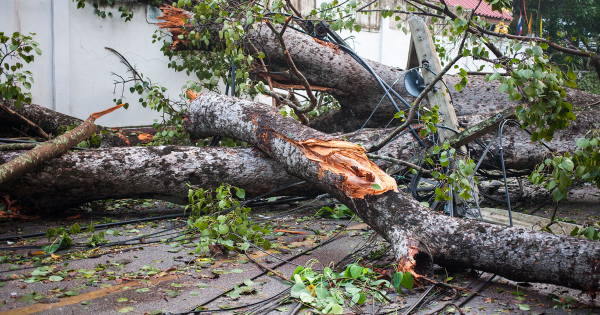

As a homeowner, one of the best money management tips you can get is to have insurance coverage in case of storm damage to your home. Storms can cause a surprising amount of damage to the structure of the home, including the siding, roof, windows, and outdoor living spaces. After the storm passes, here are some things to keep in mind as you try to mitigate the damage and restore your home to perfect condition.
Salvage Key Items
If your home has flooded, you may be tempted to try and remove everything from the area, but this is often impractical. Instead, look for sentimental items that are hard to replace and make those items your first priority. Next, think about grabbing any food or medication that needs constant refrigeration in case of a power outage. Power outages caused by severe weather have increased nearly 70% since the year 2000 across the country and can cause extra expenses and problems at a time when you really don’t need them.
Contact the Insurance Company Right Away
To give your insurance claim the best chance of being accepted and paid out, it’s vital to contact the insurance company as soon as the damage happens. This will help get the process of filing a claim started, and the representative you speak to can answer your basic questions about what to expect and inform you about what your policy will cover.
Be Cautious As You Inspect For Damage
Once the storm is over, it’s only natural to want to see how much damage was caused and what needs repair. Remember that there can still be debris and hazards in the home and the surrounding yard area. After a storm, there can be broken glass, downed power lines, standing water, and other hazards that can harm you if you aren’t being cautious. Be sure to wear gloves to go through any damaged areas and avoid any puddles as you assess the extent of the damage inside and outside. Take photos of any significant damage to show the insurance company when you file a claim.
Mitigate Further Damage to the Home
As the homeowner, you are responsible to stop any secondary damage from happening in the time after the initial damage is done. For example, if there is a hole in the roof that allows water to get in and damage your carpet, the insurance company will likely cover the roof damage but not the carpet repair or replacement. You should make every effort to cover the hole with a tarp or put out a receptacle that catches the water to stop the carpet damage before it can happen. In fact, 65% of homeowners say that their main motivation for roof repairs was due to damage caused by the weather.
Keep Repairs Cost-Effective
It can take some time to find out exactly what repairs the insurance company will cover. If you want to start on having things fixed before then, choose a contractor who is moderately priced so that if anything goes wrong with the insurance claim, you can afford to pay for the repairs. Studies show that 75% of all homeowners have money saved for home improvements and repairs, and 80% of homeowners can usually keep to the budget. Stick to your budget with some well-planned repairs.
Storm damage is an unexpected problem that you might not have encountered before, but by following these simple steps and money management tips, you can mitigate the damage and get your home fixed up in no time.