

Household budgets are getting even tighter, with historic utility rate hikes hitting states across the US. A new report by HOP Energy found that nearly half of Americans are stressed about the cost of their utility bills.
In 2024, 71% of Americans are trying to cut utility costs. Amid the economic challenges, about 1 in 5 Americans faces difficulties paying bills on time, and 19% report late payments on at least one utility bill in 2023.
Over half of Americans feel their utility bills were higher in 2023 than in past years; 69% say electricity increased most. Interestingly, 56% of Gen Z underestimate the costs of their utilities.
However, Americans are reclaiming control over their utility expenses through strategic measures. Among the top 10 ways Americans are cutting utility costs are adjusting the thermostats, unplugging more items that aren’t in use, energy-efficient light bulbs, and shorter showers/fewer hot showers.
1. Turn down the Heat or Lower Your AC
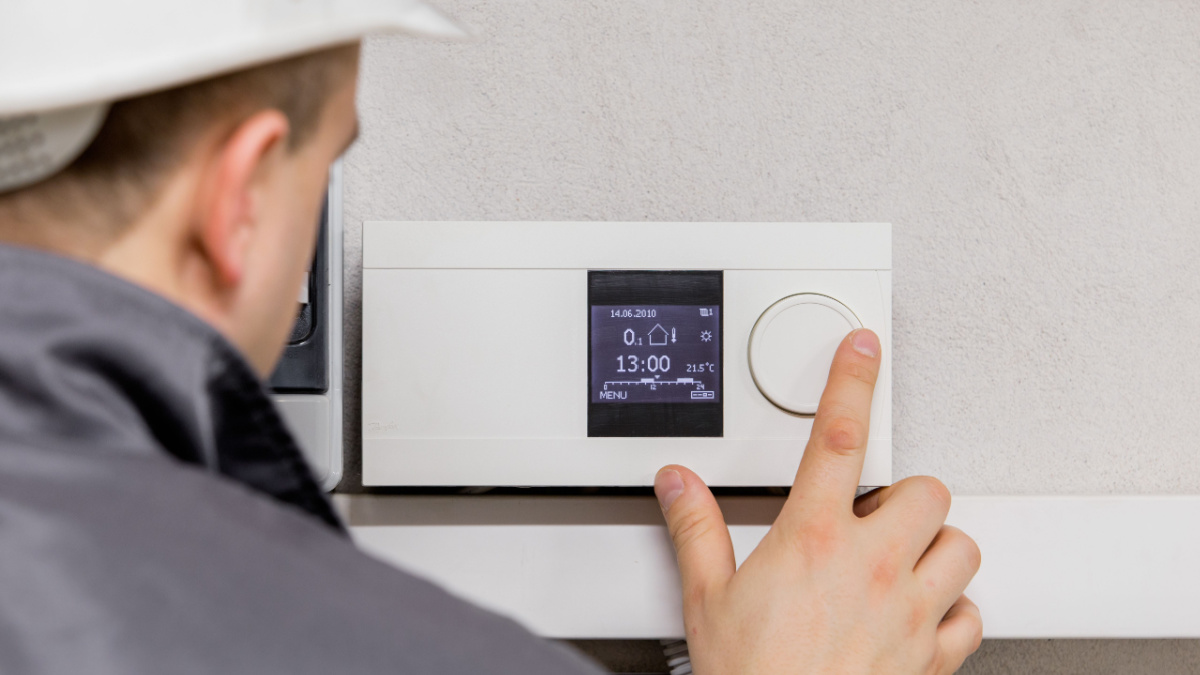
Rhea Henry from EnergyRates.ca says that turning down your heat or lowering your A.C. is one of the best ways to use less electricity.
If you don’t have a fixed rate for electricity or have deregulated utilities in your area, the amount you pay on your electricity bill might vary month-to-month. The amount of money you can save by switching off appliances depends on how your municipality manages the utilities.
He adds, “Temperature control (space heating or A.C.) is the biggest energy expense accounting for at least half (but as much as 60%!) of utility bills. That’s why, wherever possible, finding ways to turn down the heat or keep the A.C. off does so much for reducing your bills.”
2. Switch From Incandescent Bulbs to Led Bulbs

“According to NRCan, 4% of your electricity is lighting. A standard incandescent bulb uses roughly 60W of electricity and costs approximately $5 per year in electricity costs, while an LED uses 9.3W and costs just . So just by switching out lightbulbs in your home, you’re cutting a tenth of the energy on this part of your utilities.
It may not seem like plenty, but over time the costs add up, especially if your electricity rates tend to fluctuate,” continues Rhett.
3. Seal and Insulate Your Property

An adequately insulated house will require less energy to keep cool in the summer and warm in the winter months. According to EPA information, when you seal and insulate your property, you may save as much as $200 or 10% off your overall utility expenses. In addition, cooling and heating Equipment account for 49 percent of your home’s energy costs.
During the winter and throughout the summer, heat seeping out of your home and cold air escaping from hidden holes may cause your energy bills to rise. Unfortunately, this means you’ll be losing money.
You could be wondering if your home needs new insulation. Matt, a small business owner, reminds us that “according to the North American Insulation Manufacturers Association (NAIMA), 90% of single-dwelling residences in the United States are under-insulated. This statistic implies a good chance your property requires some attention.
You can look for signs of poor insulation, such as significant temperature swings from room to room, drafts around windows and doors, and a large increase in your power bill throughout the hottest and coldest months of the year.”
4. Turn Off Appliances You Are Not Using

For example: the average home printer runs on 4 watts of power on standby, and the average cost of electricity across the USA is $0.125/kWh. That will save you $4.38 per year for one appliance. If you live in a state with high electricity costs, such as Alaska or Hawaii or anywhere in New England, you can double that cost.
David Leonhardt runs TGHM Writers from his home; he shared, “I used to let my printer run all day and all night, never thinking about the power it consumed.” However, once he calculated the costs of keeping his printer on, he decided to shut it off in between uses, “Turning off the printer when not in use will not change your life, but every bit counts.”
5. Switch to Energy Smart Appliances

Fridges, Freezers, Dishwashers, and other large appliances account for up to 13.6% of the energy used in the average home, according to NRCAN. So when purchasing new appliances, look for Energy Smart certified appliances to cut down on your electric costs. For example, Energy Star claims that their certified washing machines use 25% less energy and 33% less water than other washers. Since the average American family washes about 300 loads of laundry a year, this can lead to around $370 in savings.
6. Use an Energy Monitor to Make Educated Choices

Energy Monitors allow you to monitor your energy use and make educated choices regarding your appliances and electricity.
Sam Zelinko, who blogs at Government Worker Fi, used his Sense Monitor and realized that his clothes dryer was using too much electricity. He commented, “We’ve used the Sense to save a ton of money on our electric bill. However, our biggest energy hog was our clothes dryer which we stopped using. I determined that our clothes dryer was using 25% of our electric bill.”
The 3 Most Expensive States to Live In (And the 3 Cheapest)

Where can you afford to live? Well, that depends on the cost of living where you live. Some places have higher housing costs, higher utility costs, higher taxes, and in general, higher costs of items and services. On the other hand, other places are cheaper. While this can vary greatly based on exactly where you are, what kind of life you lead and the choices you make, the cost of living very often depends on the state where you live.
The 3 Most Expensive States to Live In (And the 3 Cheapest)
7 Frugal Habits of Millionaires

Most people think millionaires aren’t all frugal, but did they ever stop to wonder how millionaires got so rich in the first place?
Maybe, just maybe, they started out with modest, frugal lifestyles to get to their millionaire status. Here are some ways in which millionaires lead their lives to live up to their millionaire rankings.
7 Frugal Habits of Millionaires
I’m Frugal: Here Are My Top 30 Frugal Living Tips to Save Money
I’m super frugal, and one of my passions is sharing my frugal living tips with everyone.
Here are some of my absolute favorite frugal tips to help you get started on your journey to frugal living.
I’m Frugal: Here Are My Top 30 Frugal Living Tips to Save Money
15 Things That Are No Longer Worth It Because of How Expensive They Have Become

Everything comes with a hefty price tag these days. From indulgences to essentials, the cost of living keeps rising. We used to consider certain items affordable options, but now they’ve become so expensive that they’re no longer worth it. Here are 15 things that have lost their affordability and make us wonder if they are worth it!
15 Things That Are No Longer Worth It Because of How Expensive They Have Become
28 Practical Ways Frugal People Save Lots of Money

Saving money doesn’t have to mean saying goodbye to life’s little indulgences. With a few smart tweaks, you can stash away cash for that dream vacation, rainy day fund, or splurge-worthy purchase without feeling like you’re on a constant budget patrol.
Think of it as a side hustle that pays off without the extra hours. Whether you’re looking to conquer debt or simply boost your bank account, these tips are guaranteed to put more money in your pocket, painlessly.
28 Practical Ways Frugal People Save Lots of Money