


With the holiday season around the corner and holiday expenses growing, the idea of stumbling upon $1,000 on the street presents a moral dilemma. Picture this: you find a stack of cash. Do you pocket the unexpected windfall, or do you take the noble route and hand it into the police?
In this scenario, a significant 47% of Americans admit they would keep the found money, assuming no one saw their stroke of luck. Interestingly, gender doesn’t play a big role, with both women (47.4%) and men (46.6%) expressing similar inclinations to be tempted by the cash.
As we explore these findings, it encourages a personal reflection: What would you do in the unexpected dilemma of finding money on the street? This situation not only invites us to consider the moral aspect but also emphasizes the importance of thinking about potential legal implications before making a decision.
Let’s take a quick tour of the honest thoughts of different cities. Discover which cities are more likely to hand in found money and which ones may have a soft spot for “finders keepers.”
A recent survey found which of America’s cities are the most dishonest.
Detroit, Michigan: 62%
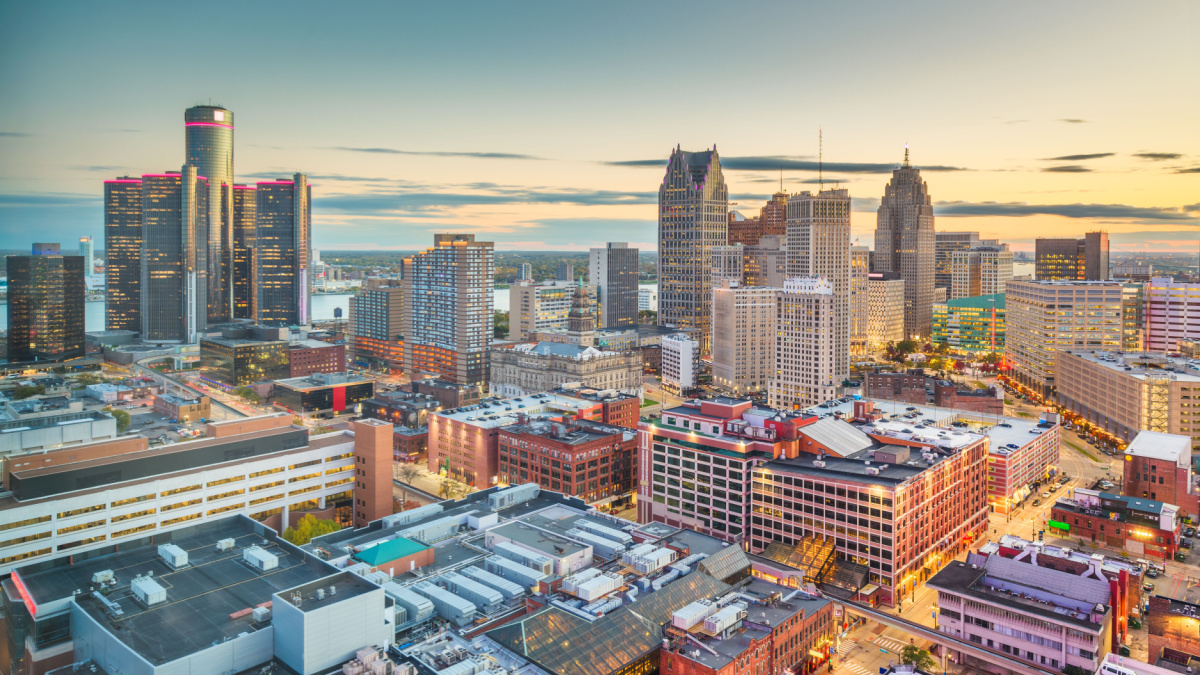
The city of Detroit’s ongoing economic difficulties foster a mindset in which finding money is viewed as a necessary financial lifeline. Residents experiencing economic difficulties had a stronger urge to keep unexpected money, seeing it as critical financial assistance.
Memphis, Tennessee: 62%

Shared community beliefs play an important part in Memphis, leading to the idea that finding money on the street is a lucky event. This common perception encourages the desire to keep found money as an unexpected blessing.
New Orleans, Louisiana: 62%

With a strong focus on personal luck and fortune, New Orleans’ unique cultural variety inspires locals to view found money as a lucky break. The city’s specific cultural focus encourages residents to keep found money as a positive turn of fate.
Baltimore, Maryland: 59%

The economic situation in Baltimore becomes a crucial factor as economic concerns and financial limitations increase the desire to keep found money. Residents, seeking potential financial relief are more likely to hold onto unexpected fortunes.
San Antonio, Texas: 58%

Finding money is considered a personal benefit in San Antonio’s social fabric, resulting in a cultural tendency to keep unexpected fortunes. The particular social dynamics of the city lead to the common mindset of keeping found money.
Las Vegas, Nevada: 58%
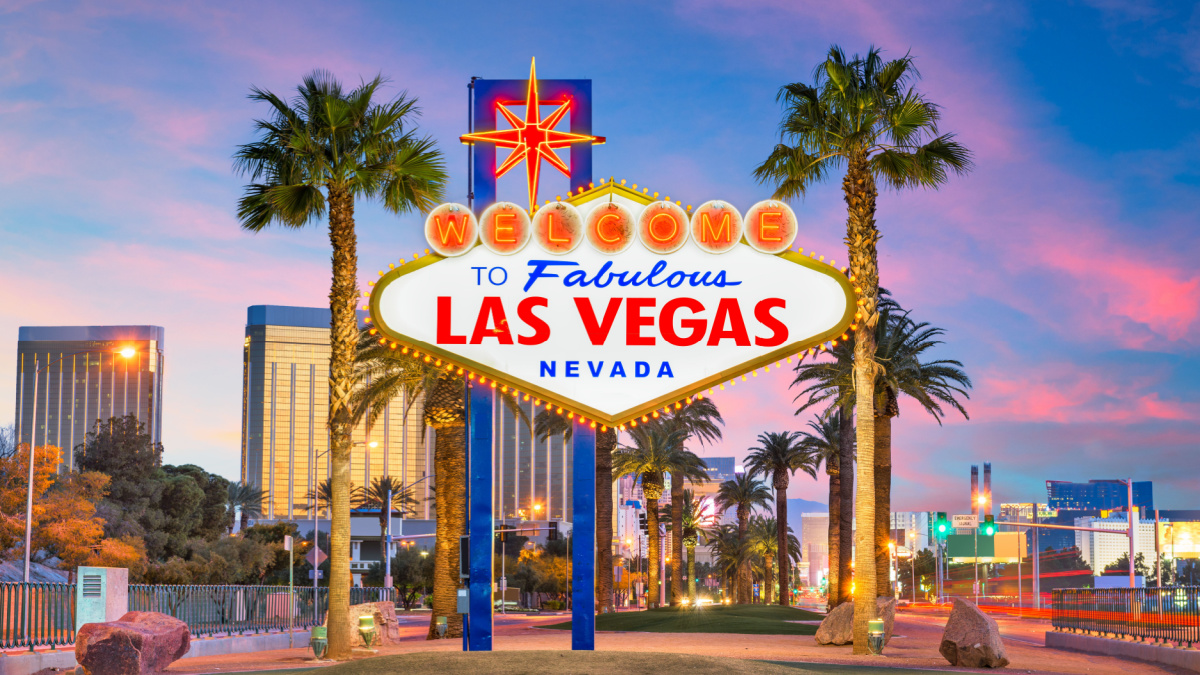
Residents of Las Vegas, which is known for its entertainment industry, may be skeptical about reporting recovered money to authorities. This lack of trust affects the decision to keep found money when combined with a city-wide risk-taking culture.
El Paso, Texas: 57%

El Paso’s economic challenges increase the temptation of keeping found money, especially for citizens experiencing financial difficulty. The opportunity of extra cash urges people to keep the found money.
Oakland, California: 57%

Cultural values of individual success in Oakland contribute to the desire to keep found money as a personal benefit. The city’s emphasis on individual achievement aligns with the common cultural mindset toward financial gain.
Austin, Texas: 53%
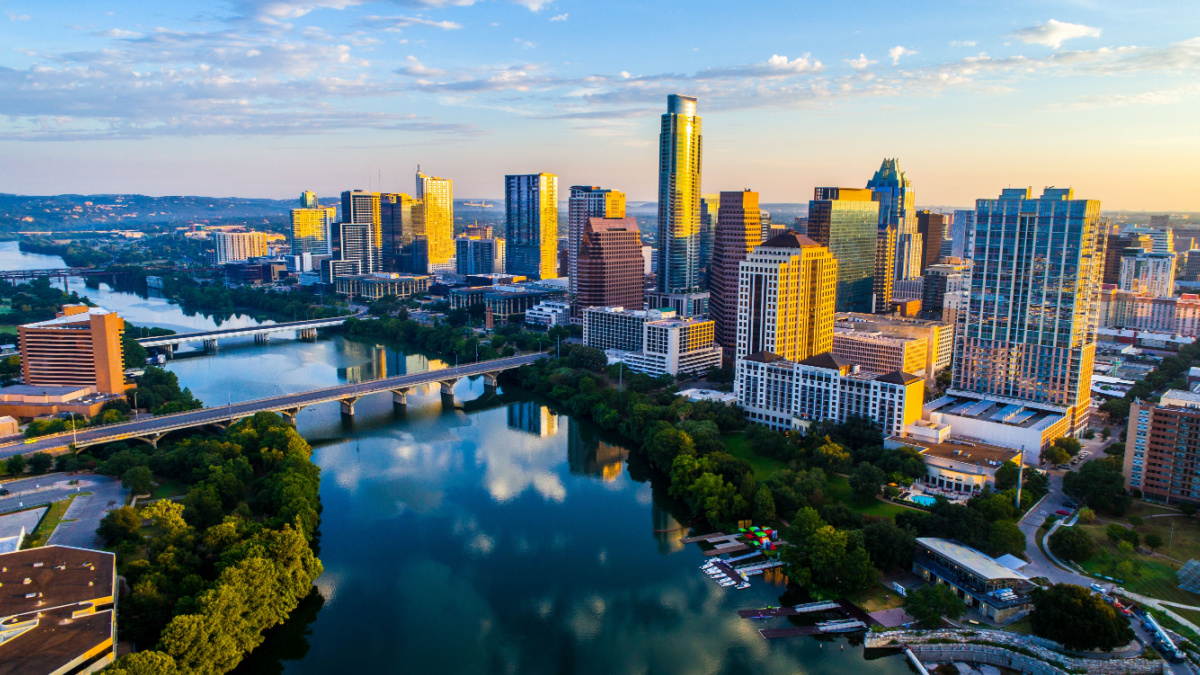
Economic concerns come into play in Austin, with some viewing found money as a nice cash boost. The city’s diverse economic landscape influences residents to view found money positively.
Arlington, Texas: 53%

Arlington residents’ shared community beliefs contribute to the perception that keeping found money is socially acceptable. The common belief in the community increases the desire to keep this kind of money.
Washington, D.C.: 53%
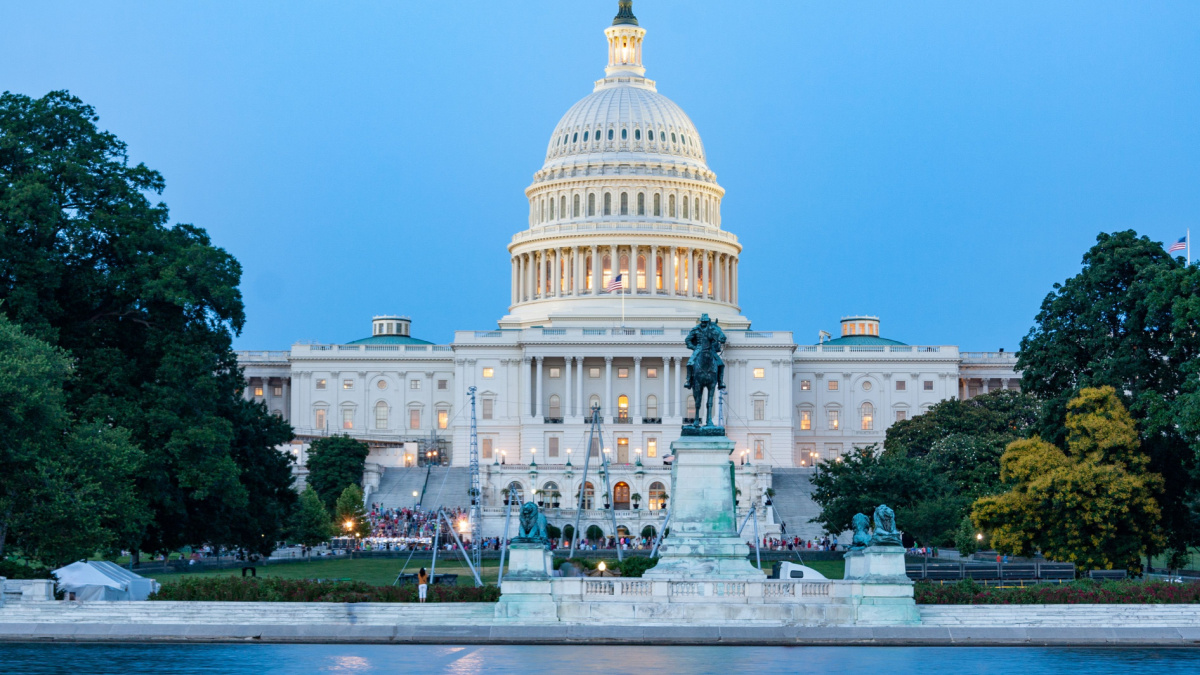
The political and cultural landscape of Washington, D.C., heavily influences citizens’ trust in reporting found money. The complicated nature of governmental procedures may influence the choice of keeping found money in a city known for its political intricacies.
Cities Inclined to Hand in the Money

There is an admirable practice in places such as Jacksonville, Florida, Los Angeles, California, and Tulsa, Oklahoma, where roughly 61% of locals express a strong desire to turn in found money to police. Let us examine the possible causes of this virtuous propensity in each city:
Jacksonville, Florida: 62%
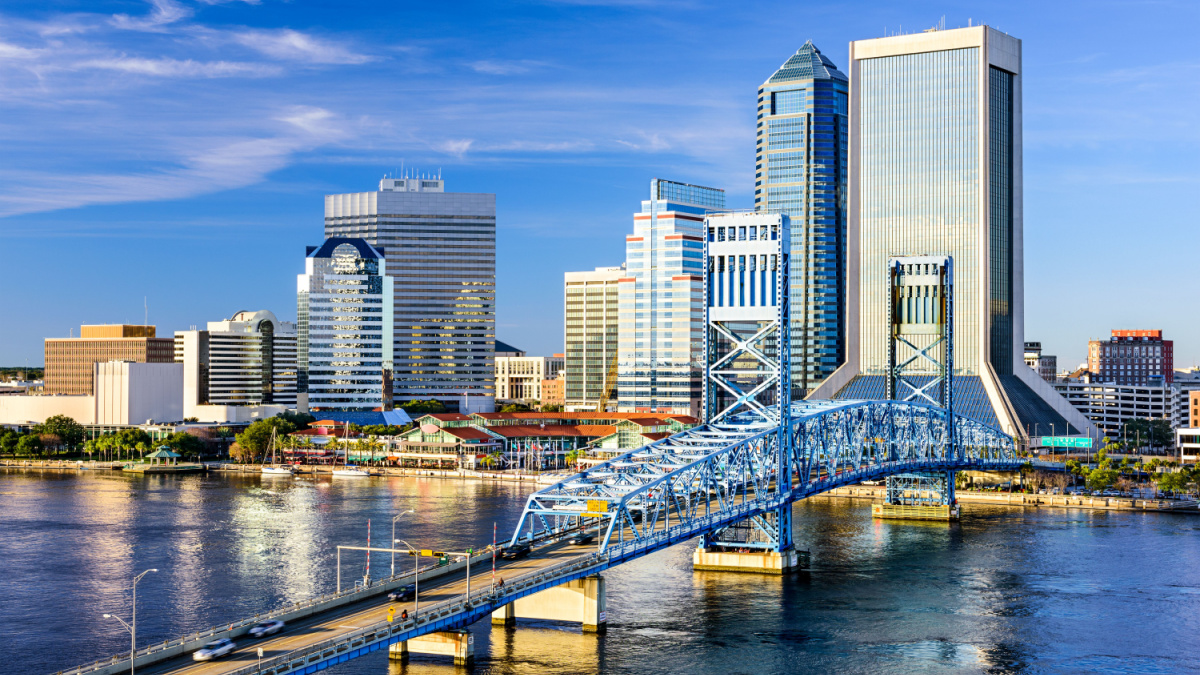
Jacksonville residents have a strong sense of community values, prioritizing honesty and integrity. The popular shared mindset fosters an excellent desire to turn in found money as an act of collective honesty.
Los Angeles, California: 61%

Los Angeles’ diversified and vibrant cultural scene fosters a higher standard of ethics. The city creates a culture in which returning found money is considered as the right thing to do, reflecting a cultural commitment to ethical behavior.
Tulsa, Oklahoma: 61%

Tulsa has a strong sense of shared accountability, with residents feeling accountable for the well-being of others in the community. This sense of collective responsibility impacts heavily on the decision to turn in found money to authorities.
Atlanta, Georgia: 61%

Residents in Atlanta hold a strong sense of social obligation, where reporting found money aligns with a shared commitment to the community’s well-being. The city’s collective sense of duty contributes to a strong desire to hand in found money.
Miami, Florida: 59%

Miami’s rich cultural diversity contributes to a community commitment to integrity and honesty. Turning in found money is viewed by residents as an act of cultural value, showing an overall dedication to ethical behavior.
Houston, Texas: 59%

Houston’s trust in local authorities plays an important role. Residents feel confident that reporting found money will lead to a fair and just resolution, creating a culture of trust in the legal and law enforcement system.
Phoenix, Arizona: 59%

In Phoenix, a strong ethical foundation is ingrained in the community. This foundation fosters a culture where returning found money is perceived as a moral obligation, reflecting a commitment to ethical behavior.
Read More: