
Negotiating Your Salary in a Down Economy

With the dismal career outlook, people are struggling to find new work and even maintain current employment.  After days (if not weeks or months) of submitting resumes, tapping networks, attending conferences, or any of the other suggestions out there – job seekers may be content settling for whichever offer comes their way.

Although the market is tough, the situation doesn’t warrant forfeiting your opportunity, and ability, to negotiate an offer. With proper negotiation training, you can drastically improve your situation.

Recently a friend asked for some feedback on his own offer.  Foreseeing the near-term end of his existing circumstance, he was excited about the new prospect.  Looking for recommendations on the compensation, he outlined the parameters of the position for me to help formulate a counter-offer.  Whipping together a simple excel sheet, we discussed the results:

“Probably should ask for 30% more”, I stated.

“Really”, he wondered, “that’s not too much?”

Following our conversation about the job in general, we reviewed the reasons which justified the considerable increase:

1.)     Changing Industries

Switching from non-profit work to the private sector, his current salary was likely lower than a comparable position in private enterprise.

2.)    Cost of Living Adjustment

Moving from an already high cost-of-living location to an even higher cost-of-living location, accepting the offer as it stood would have been a decrease in his standard of living.

Read more

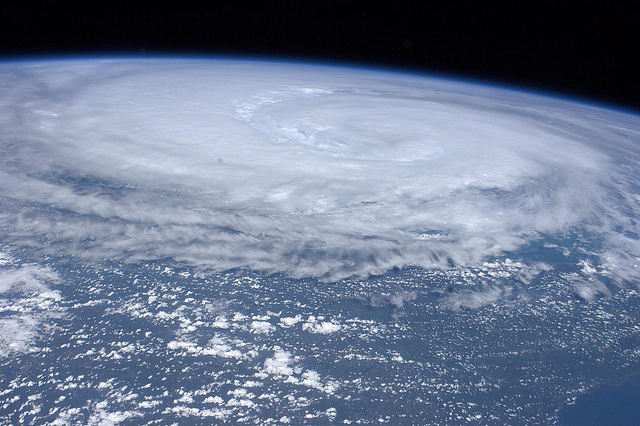
There’s an Investment Market for Hurricanes?

The answer is yes. There is an investment market for hurricanes but it’s not a market that the average stock market investor knows much about. It’s called the futures market. This market is found in Chicago at the CME or Chicago Mercantile Exchange where everything from gold contracts to interest rate contracts change hands.

Hurricanes are traded in the form of futures contracts along with other weather products. Although you can’t buy or sell a hurricane, there are other reasons that investors invest money in to these monster storms.

Don’t know much about a futures contract and you can’t think of any possible way that investors could possibly trade a hurricane? Keep reading. We’re going to learn everything we need to know about these futures contracts.

Read more

Is It Time To Sell Your Gold?

Rising towards $2,000 during trading on Tuesday, investors may have been tempted to sell gold after the drastic 10% correction this morning. Gold is a commodity, but trades like a currency. Minor news events and people’s speculations can thus make it quite volatile. If you invest in gold as a hedge, these fluctuations shouldn’t sway your … Read more

Investing Overload: Reflections of a Freak-out

Returning the “Credit where credit is due”.  The inspiration for this article came from Oblivious Investor, which in turn, came from ‘nisiprius’.

It’s time for me to take a deep breath and step back from monitoring the market.  After last week’s roller coaster, I’m too drained to worry about what will happen this week.

If you’ve ever played Roulette, those precipitous gyrations reminded me of betting on RED or BLACK.  A rather simplistic choice with devastating consequences,   you either win or loss.

Being a rather conservative investor, I’m of the “Go Long – Go Vanguard” approach through low-cost indexing; however, it’s undeniably hard to resist the mountains of financial products and tactics available.

Chatting with a friend who works in finance, we reviewed the different option strategies for hedging against short term losses.  Even as a Chartered Financial Analyst (CFA), he admitted having a limited grasp on the actual execution of these theories.  Both of us have resolved to spend the time to learn more about these after our respective obligations (Him: GMAT & marathon, Me: GRE & half-marathon).

From there it was a slippery slope.

Read more