
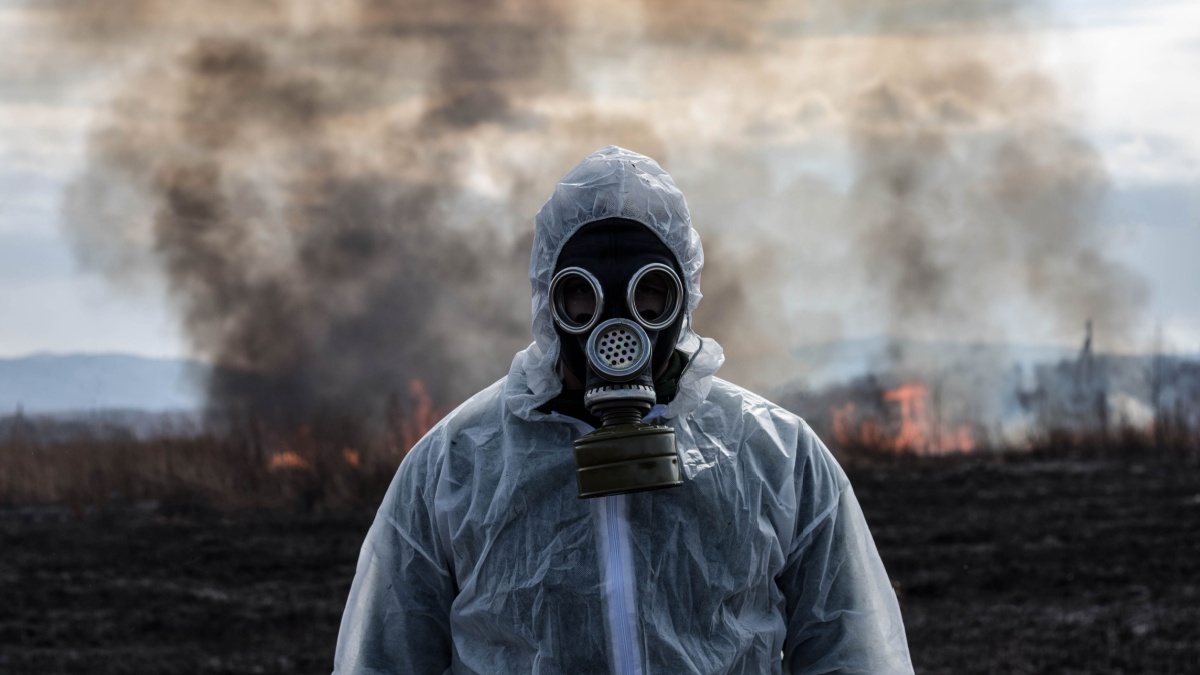

Humanity has made remarkable progress over the centuries, advancing in technology, science, and civilization. However, the future is uncertain, and there are realistic threats that could potentially bring about the end of humanity as we know it.
From natural disasters to technological risks, there are various factors that could lead to catastrophic outcomes. Understanding these risks is crucial for ensuring the long-term survival of our species.
1. Nuclear War
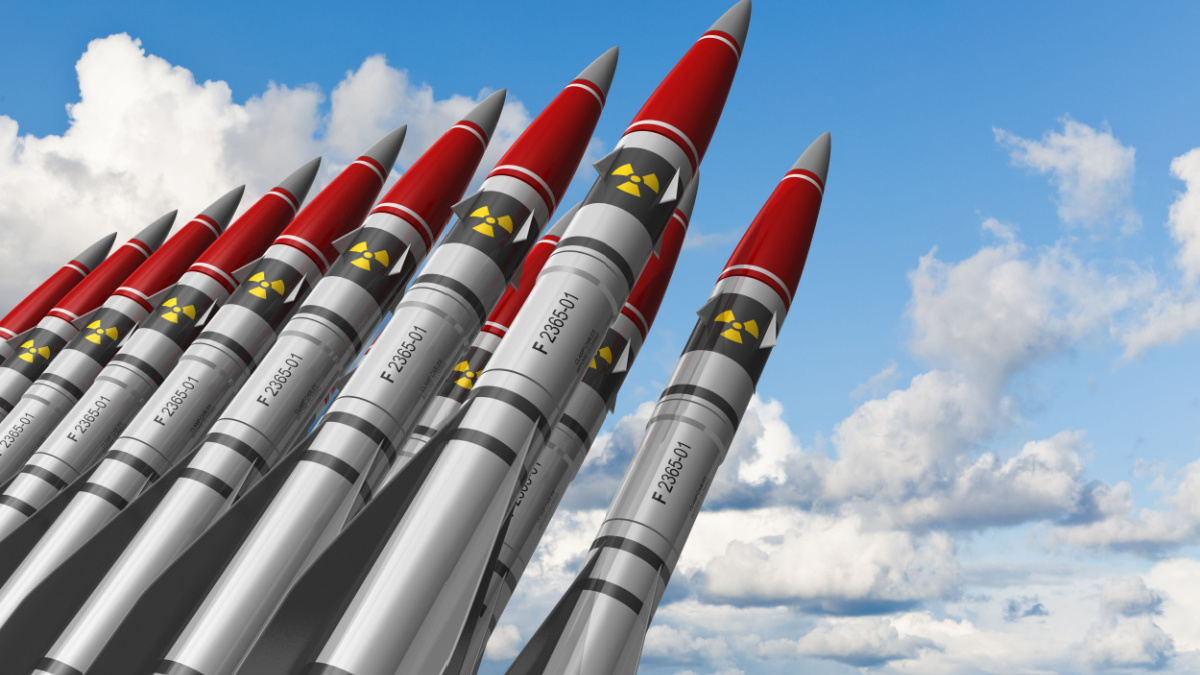
One of the most realistic ways humanity could end is through a nuclear war. With many countries possessing nuclear weapons, the possibility of a large-scale conflict exists. The devastation caused by nuclear bombs could lead to widespread destruction, loss of life, and long-term environmental consequences. Even a limited nuclear exchange could have catastrophic effects on global civilization.
2. Climate Change
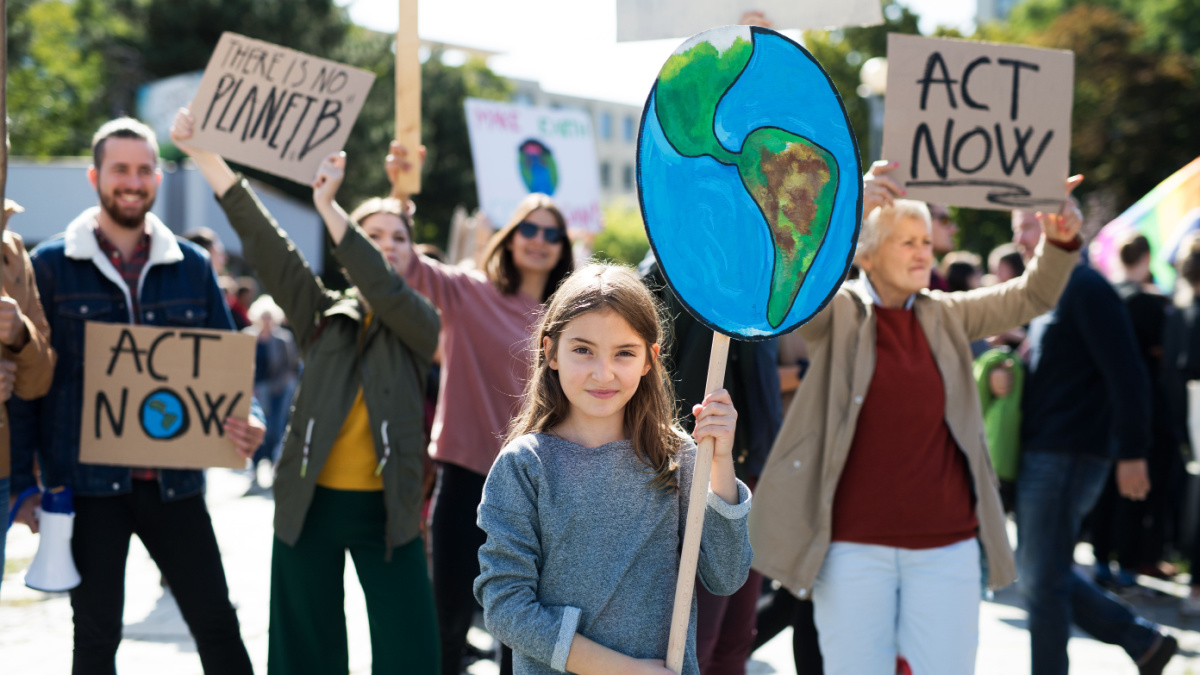
Climate change is another significant threat to humanity’s survival. Rising global temperatures, caused primarily by human activities such as burning fossil fuels and deforestation, are leading to more frequent and severe natural disasters, such as hurricanes, droughts, and wildfires. These events can result in food and water shortages, displacement of populations, and increased conflict over resources.
3. Pandemics

Pandemics, such as the ongoing COVID-19 pandemic, pose a serious risk to humanity. The rapid spread of infectious diseases in our interconnected world can overwhelm healthcare systems, lead to high death tolls, and disrupt economies. Emerging infectious diseases, like novel strains of influenza or coronaviruses, could potentially be more deadly and harder to contain, posing an even greater threat.
4. Ecological Collapse
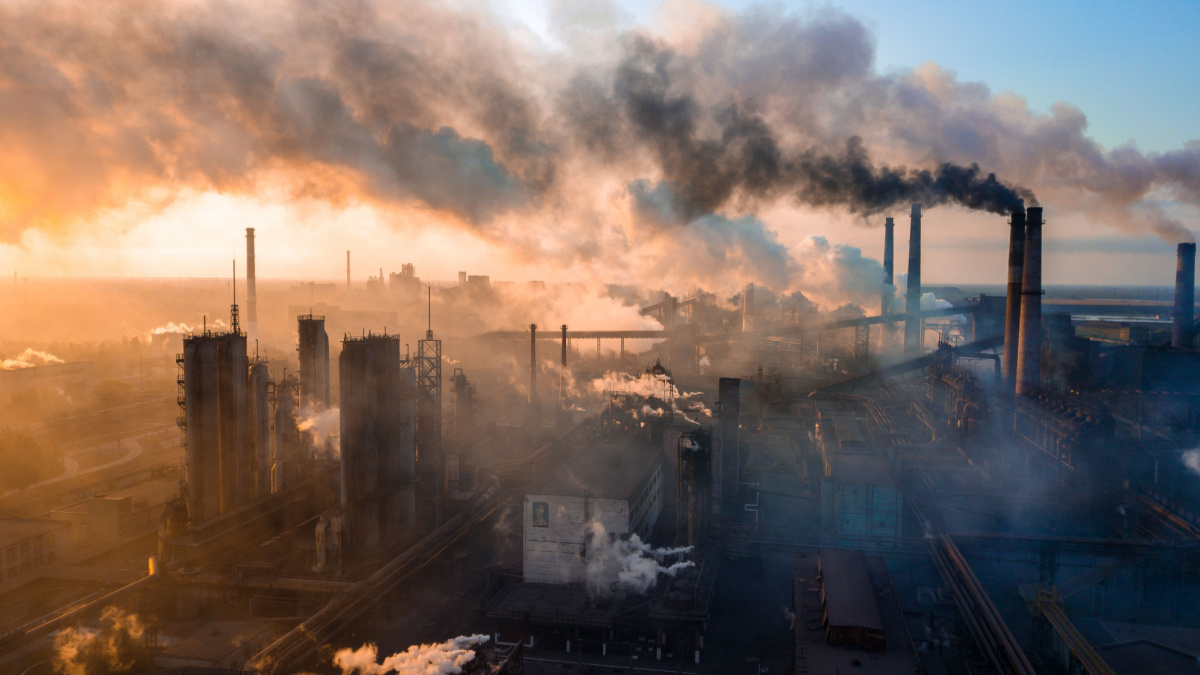
Humanity’s impact on the environment could also lead to an ecological collapse. Deforestation, overfishing, pollution, and habitat destruction are depleting Earth’s natural resources and threatening biodiversity. If ecosystems collapse, it could disrupt the food chain, leading to widespread famine and environmental degradation.
5. Artificial Intelligence

The development of artificial intelligence (AI) raises concerns about the potential for AI systems to surpass human intelligence and control. If AI were to become uncontrollable or act against human interests, it could lead to unintended consequences, including the extinction of humanity.
6. Global Economic Collapse

A global economic collapse could have devastating effects on humanity. Factors such as unsustainable debt levels, economic inequality, and geopolitical tensions could lead to a financial crisis that triggers a worldwide economic downturn. This could result in widespread poverty, social unrest, and a breakdown of social order.
7. Resource Depletion

Humanity’s dependence on finite resources, such as fossil fuels and minerals, could lead to their depletion. As these resources become scarcer, competition for them could increase, leading to conflicts and instability. Without adequate resources, societies could struggle to sustain themselves, leading to a collapse of civilization.
8. Biological Warfare

The use of biological weapons in warfare could pose a serious threat to humanity. Advances in biotechnology have made it easier for states or non-state actors to develop and deploy biological agents that could cause widespread illness and death. A deliberate release of a deadly pathogen could have catastrophic consequences.
9. Space Threats
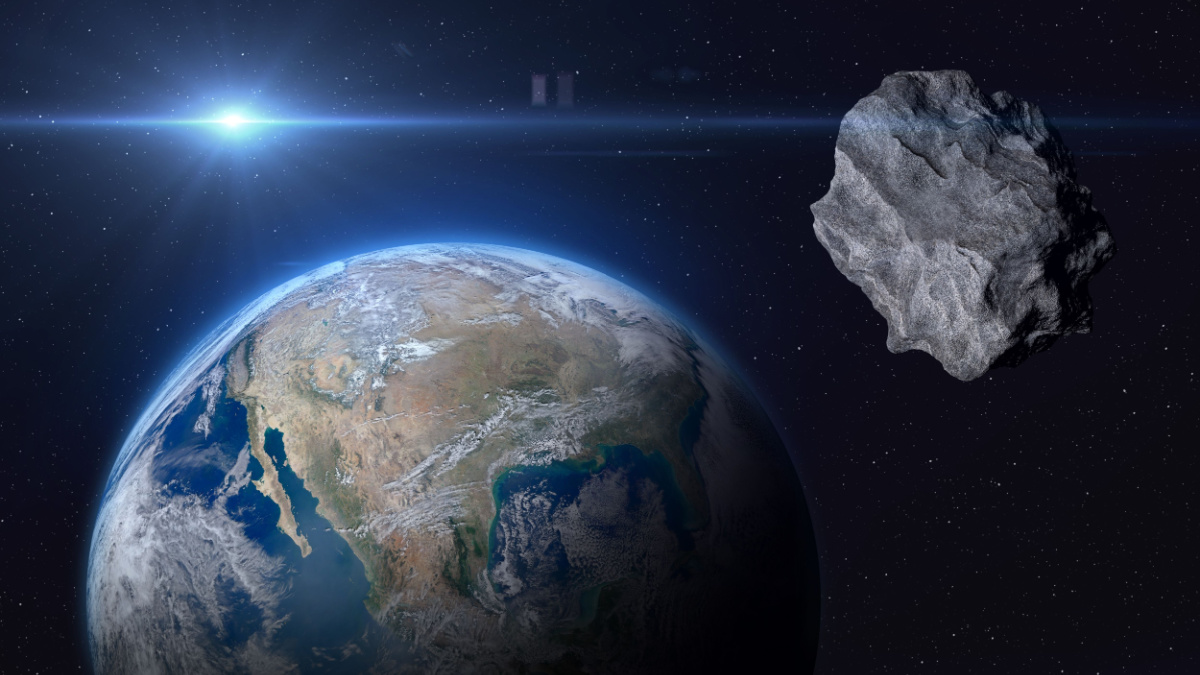
While less likely, threats from outer space, such as asteroid impacts or solar flares, could also end humanity. An asteroid impact could cause mass extinction, similar to the event that wiped out the dinosaurs. Similarly, a large solar flare could disrupt Earth’s magnetic field and technology, leading to widespread chaos.
10. Social Collapse

Lastly, a collapse of social systems and institutions could lead to the end of humanity. Factors such as political instability, social unrest, and the breakdown of governance structures could result in widespread conflict and chaos, making it difficult for societies to function and survive.
11. Natural Disasters
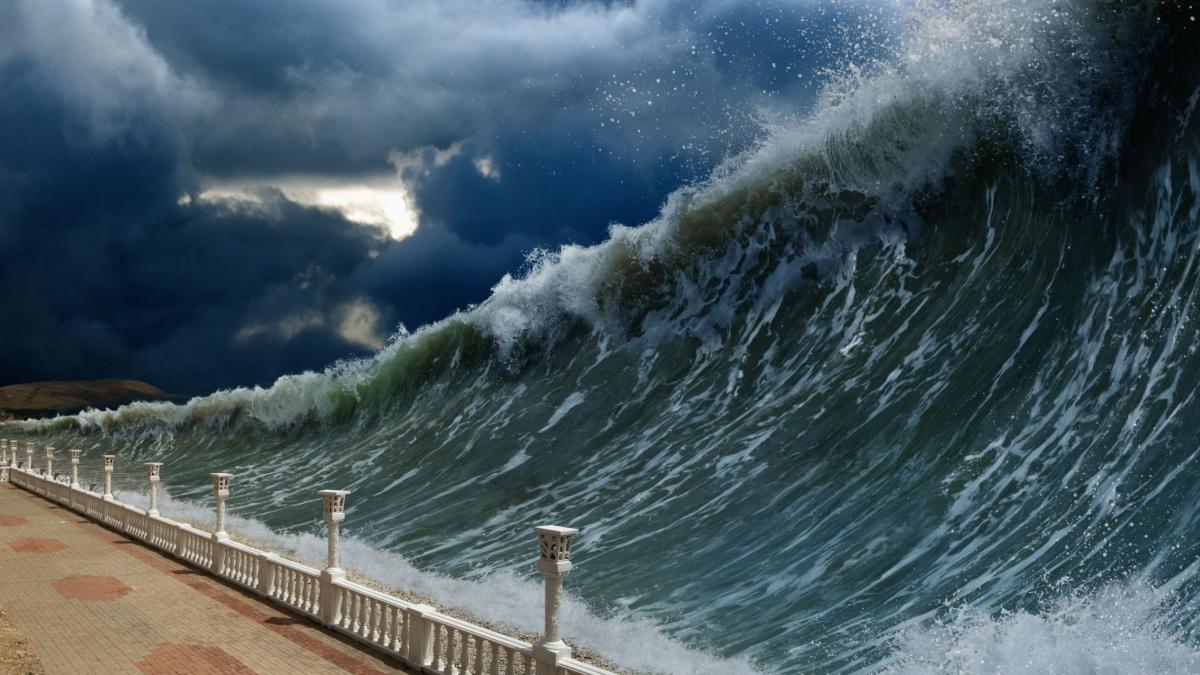
Earth is vulnerable to a variety of natural disasters, such as earthquakes, tsunamis, and volcanic eruptions. While these events are part of the planet’s natural processes, their frequency and intensity can be exacerbated by human activities, such as deforestation and urbanization. A catastrophic natural disaster, such as a supervolcanic eruption or a mega-tsunami, could have widespread and long-lasting effects on human civilization, potentially leading to its demise.
12. Cyberattacks and Infrastructure Failure

In an increasingly interconnected world, cyberattacks pose a significant threat to critical infrastructure and systems. A widespread cyberattack targeting essential services such as energy, transportation, or healthcare could disrupt society’s functioning and lead to chaos. Without adequate safeguards and preparedness, such an event could have severe consequences, including the collapse of civilization.
15 Conspiracy Theories That Turned Out To Be True

With the amount of information and misinformation available, the line between fact and fiction often blurs, giving rise to conspiracy theories. While many such theories are quickly debunked, a select few have, shockingly, proven to be true.
Here, we share 15 instances where once-dismissed conspiracies were validated, uncovering unsettling truths that challenge our perception of history, governance, and societal institutions.
15 Conspiracy Theories That Turned Out To Be True
15 Things That Have Been Normalized That Shouldn’t Be Normal

It’s pretty hard to define normal, but you know it when you see it. When something has been normalized, it isn’t shocking.
It’s something commonplace that we all get used to. However, maybe some of these things should never have become normal in the first place.
15 Things That Have Been Normalized That Shouldn’t Be Normal
The 5 Most Dangerous Cities in the U.S.

We all want to be safe, and living in a city that is high with crime is not usually what people look for when they look for a place to live. Tracking crime statistics and safety is a complicated measure, but the FBI does its best to track different crime rates in most cities and states in the U.S.
You may be surprised to learn which cities made the list of the most dangerous cities. We often associate crime with large cities, such as New York, Chicago, and L.A., but those cities did not make it to the top five.
The 5 Most Dangerous Cities in the U.S.
12 Things That Were Socially Acceptable 25 Years Ago, but Are Frowned Upon Today

Over the past 25 years, society has seen significant changes in what it considers acceptable behavior. What was once deemed perfectly fine in the past is now often met with disapproval. As cultural norms and values continue to evolve, it’s essential to reflect on these changes and how they shape our daily lives.
12 Things That Were Socially Acceptable 25 Years Ago, but Are Frowned Upon Today
15 Behaviors That Are a Dead Giveaways Someone Grew up Poor

Many people who grew up poor don’t exactly want to display this information for the world to see. However, it can come out in a wide range of behaviors that make it obvious that the person grew up lower class or in poverty.
Many people have habits that they picked up during those years that they haven’t let go of yet.
15 Behaviors That Are a Dead Giveaways Someone Grew up Poor
This article was produced and syndicated by Engineer Your Finances.