


First things first, we love America. There are so many great parts of this amazing country, but…. that doesn’t mean that sometimes the people in America don’t hype up aspects of our culture to the point where we wonder why we are the only ones who think these things are just really overrated. But don’t worry- you’re not the only one who thinks these things are way overhyped.
We think the same.
Beneath the glittering surface of iconic landmarks and celebrated traditions, some of these aspects of the America we love and adore are just a tad overblown.
Let’s talk about 15 areas where the good ole US of A might be overrated. From the bustling Times Square on New Year’s Eve to the sun-drenched beaches of Florida, we’ll explore aspects of US life that may not always live up to their hype.
1. Times Square New Year’s Eve
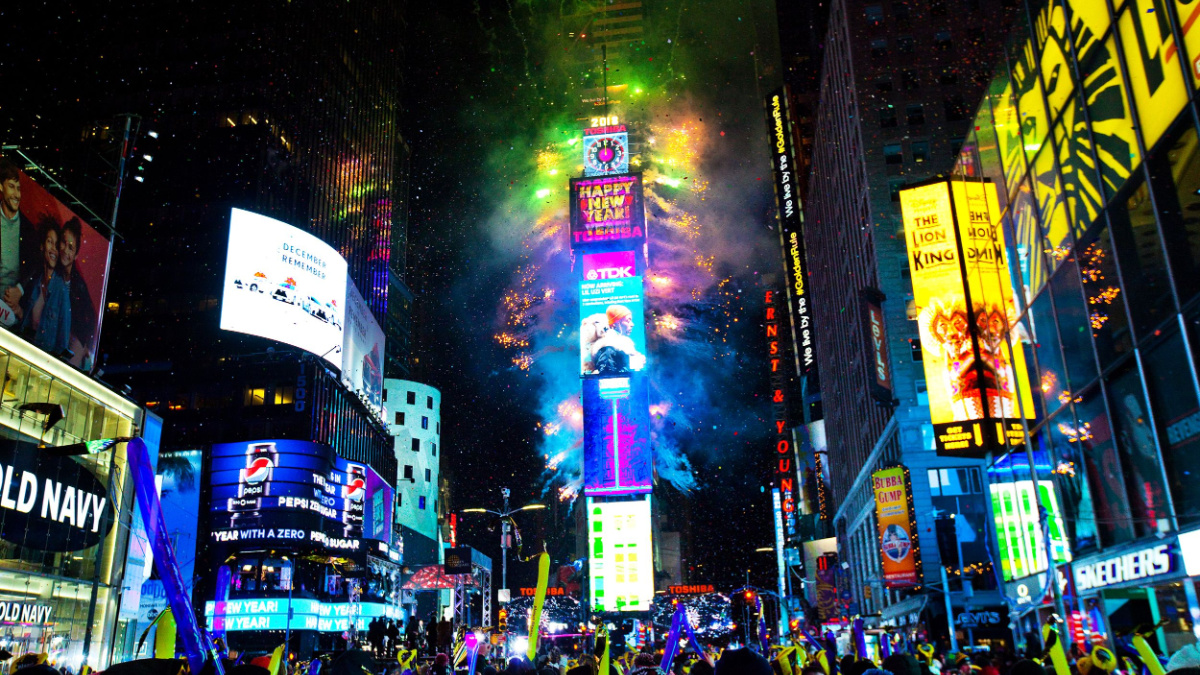
Times Square’s New Year’s Eve celebration, despite its fame, often involves long hours of waiting in cramped conditions. Many find the experience less glamorous than televised broadcasts suggest.
2. The Cost of Education

In the U.S., the high cost of education, even at state institutions, is a significant burden for students. This raises questions about the balance between quality and affordability.
3. Car-Dependent Culture

The American dream of car ownership loses its charm amidst urban congestion and limited transportation alternatives. This contrasts with the convenience of public transport systems in many European cities.
4. The Allure of Las Vegas
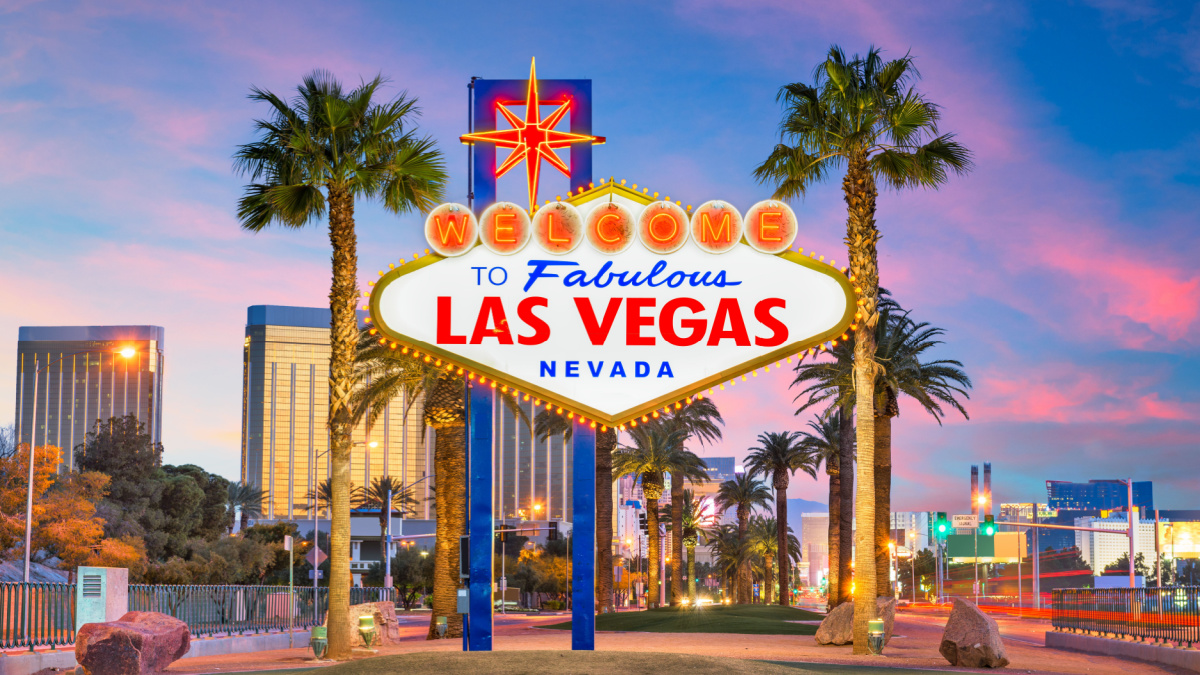
Las Vegas, known for its vibrant nightlife and casinos, often results in visitors experiencing significant financial losses. The city’s glamorous image contrasts sharply with the reality for many.
5. Celebrity Worship
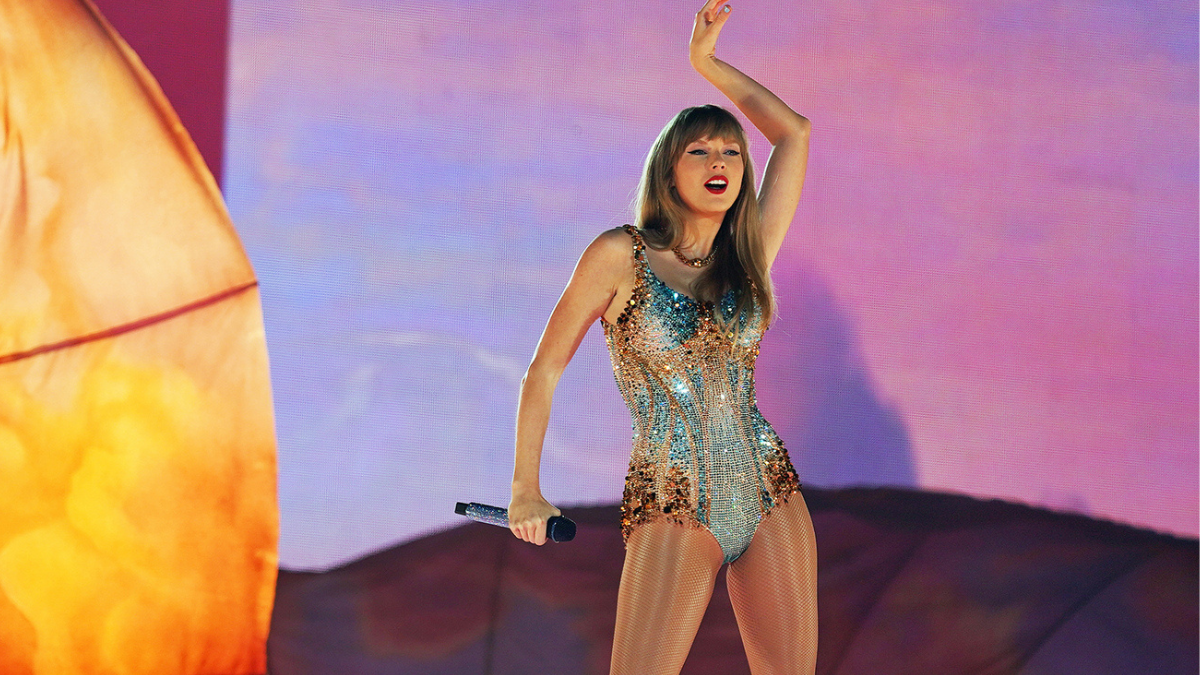
American culture’s obsession with celebrities often overshadows the significant contributions of everyday heroes. This emphasis on fame can distort societal values and priorities.
6. Dining Out as a Luxury

In America, dining out is often perceived as a luxury, leading to expensive and unhealthy food choices. This stands in contrast to other cultures where eating out can be a more affordable and healthy routine.
7. “Made in USA” Perception
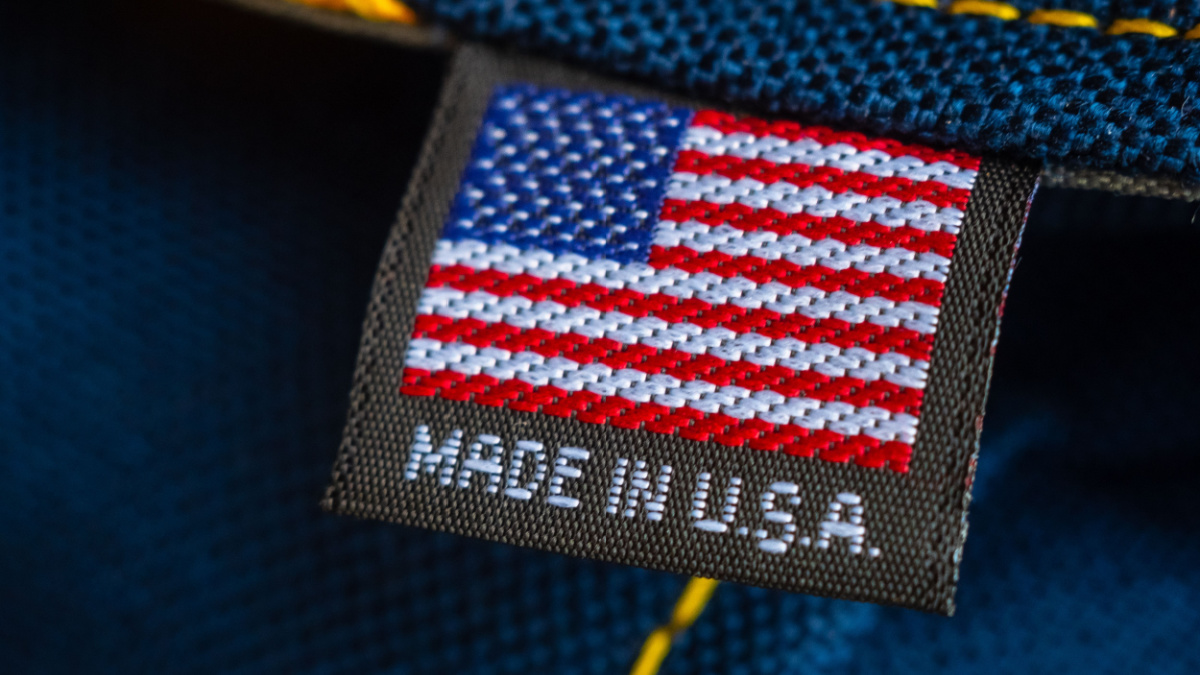
The perception that products made in the USA are inherently superior is increasingly questioned. Global manufacturing standards mean quality is not exclusive to any single country.
8. Florida Tourism

Florida, famous for its sunny beaches and attractions, often faces criticism for being overhyped. Visitors sometimes find the reality, marked by crowded tourist spots and unpredictable weather, less idyllic than the popular image suggests.
9. Constitutional Debates
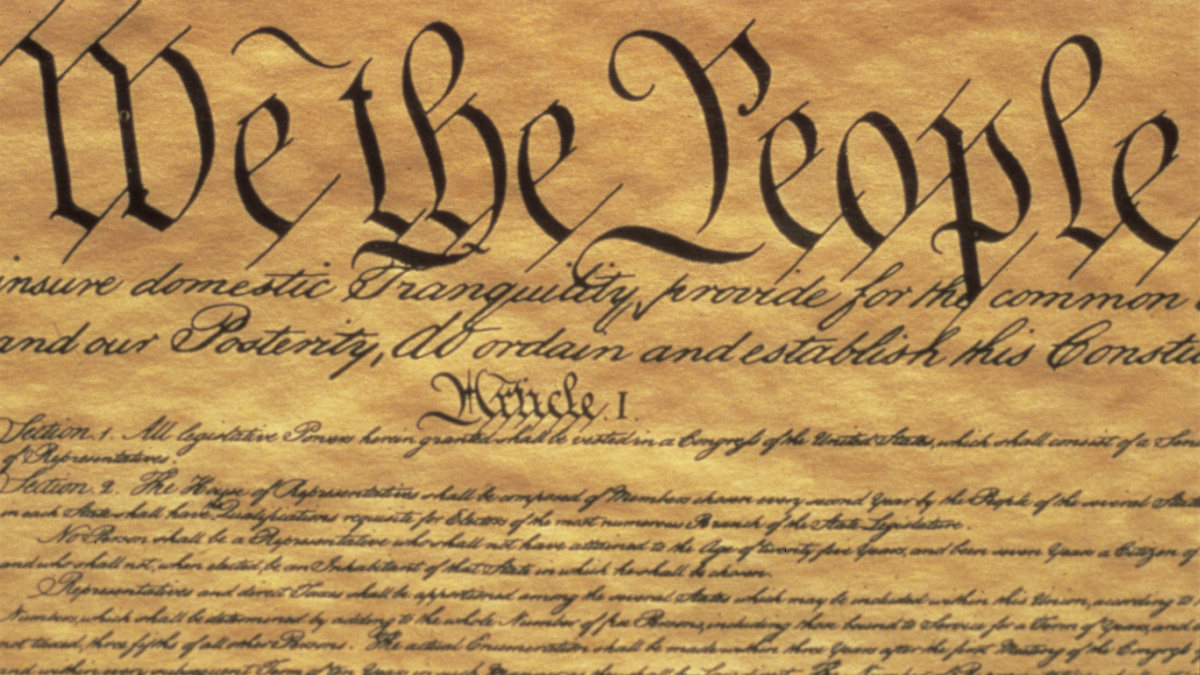
Discussions about the U.S. Constitution being outdated often overshadow practical legislative debates. This focus on constitutional interpretation can divert attention from current governance issues.
10. Interstate System Limitations

The vast U.S. interstate system, while extensive, contributes to urban sprawl and dependency on cars. This often leads to longer commutes and a reduced emphasis on public transportation.
11. Urban Sprawl

The phenomenon of urban sprawl in the U.S. results in extensive car usage for everyday activities. This sprawl makes public transportation and walking less practical options.
12. Healthcare System

The U.S. healthcare system is often critiqued for its complexity and high costs, despite being a leader in medical innovation. These issues raise concerns about accessibility and affordability of healthcare.
13. Advertising Culture
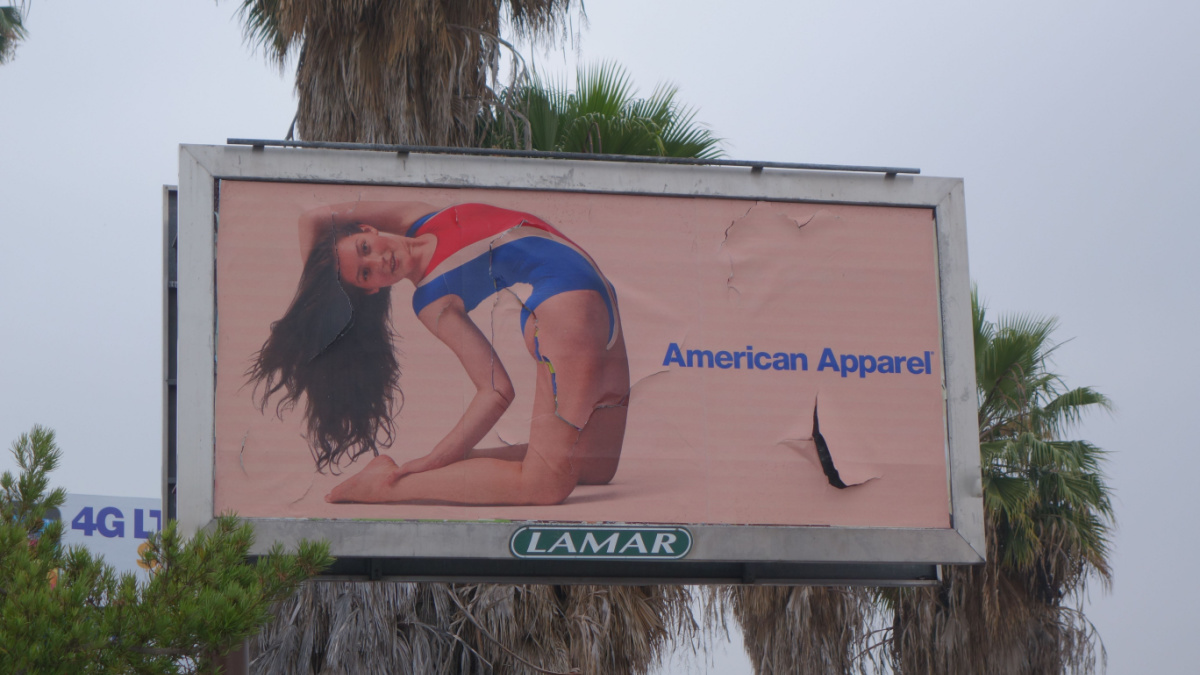
In the U.S., marketing plays a significant role in shaping consumer behavior and perceptions. This emphasis on advertising often prioritizes style over substance across various sectors.
14. Hollywood Blvd

Hollywood Blvd, despite its iconic status, can be underwhelming for visitors, contrasting with its glamorous portrayal. The reality often does not live up to the expectations set by its fame.
15. Disney World Disillusionment

Disney World, while a dream destination for many, can sometimes be less magical than anticipated. Crowds, high expenses, and commercialization can diminish the overall experience.
15 Conspiracy Theories That Turned Out To Be True

With the amount of information and misinformation available, the line between fact and fiction often blurs, giving rise to conspiracy theories. While many such theories are quickly debunked, a select few have, shockingly, proven to be true.
Here, we share 15 instances where once-dismissed conspiracies were validated, uncovering unsettling truths that challenge our perception of history, governance, and societal institutions.
15 Conspiracy Theories That Turned Out To Be True
15 Things That Have Been Normalized That Shouldn’t Be Normal

It’s pretty hard to define normal, but you know it when you see it. When something has been normalized, it isn’t shocking.
It’s something commonplace that we all get used to. However, maybe some of these things should never have become normal in the first place.
15 Things That Have Been Normalized That Shouldn’t Be Normal
The 5 Most Dangerous Cities in the U.S.

We all want to be safe, and living in a city that is high with crime is not usually what people look for when they look for a place to live. Tracking crime statistics and safety is a complicated measure, but the FBI does its best to track different crime rates in most cities and states in the U.S.
You may be surprised to learn which cities made the list of the most dangerous cities. We often associate crime with large cities, such as New York, Chicago, and L.A., but those cities did not make it to the top five.
The 5 Most Dangerous Cities in the U.S.
12 Things That Were Socially Acceptable 25 Years Ago, but Are Frowned Upon Today

Over the past 25 years, society has seen significant changes in what it considers acceptable behavior. What was once deemed perfectly fine in the past is now often met with disapproval. As cultural norms and values continue to evolve, it’s essential to reflect on these changes and how they shape our daily lives.
12 Things That Were Socially Acceptable 25 Years Ago, but Are Frowned Upon Today
15 Behaviors That Are a Dead Giveaways Someone Grew up Poor

Many people who grew up poor don’t exactly want to display this information for the world to see. However, it can come out in a wide range of behaviors that make it obvious that the person grew up lower class or in poverty.
Many people have habits that they picked up during those years that they haven’t let go of yet.