


Products are constantly vying for our attention and dollars; distinguishing between what truly adds value to our lives and what doesn’t is more crucial than ever.
Amidst the barrage of marketing, it’s easy to succumb to spending on things that, upon reflection, aren’t worth their cost or impact on our planet and well-being.
Here’s a look at 15 splurges better swapped out for more fulfilling or sustainable alternatives.
1. Eating Out

Frequenting restaurants or grabbing take-out has become a staple of modern life. However, the costs add up quickly, not to mention the potential health implications of consuming meals that are often higher in calories and sodium. Cooking at home allows for control over ingredients, fosters culinary skills, and can be a rewarding way to bond with family or friends over a shared meal.
2. Snack Foods

While convenient, pre-packaged snack foods are typically laden with sugar, salt, and preservatives. Their environmental impact, considering packaging and transportation, is also significant. Opting for whole, natural snacks like fruits, nuts, or homemade treats can enhance nutritional intake and reduce waste.
3. Soft Drinks

Sugary soft drinks contribute to a variety of health issues, including obesity and diabetes, without providing any nutritional benefit. Swapping these out for water, herbal teas, or infused water benefits health and saves money in the long run.
4. Paper Products

The convenience of paper towels, napkins, and plates is undeniable, but their environmental toll is substantial. Investing in reusable options like cloth napkins, towels, and durable dinnerware promotes sustainability and reduces waste, making the initial investment worthwhile.
5. Streaming Services

With the proliferation of streaming platforms, it’s easy to subscribe to more services than one can realistically consume. Evaluating which services are used and canceling the rest can free up the budget for other experiences or savings.
6. Designer Skin Care Products and Makeup
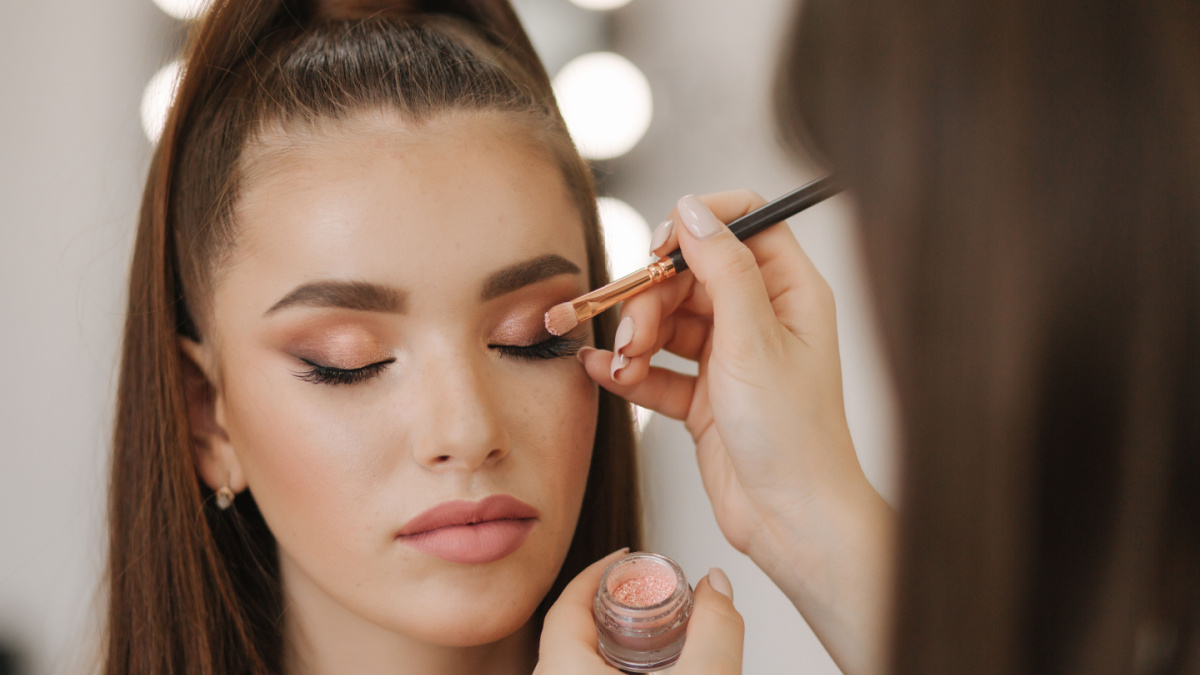
The allure of high-end beauty products is strong, yet many affordable brands offer similar quality at a fraction of the cost. Research and experimentation can uncover budget-friendly products that work just as well, if not better, for your skin.
7. Fast Fashion

The fast fashion industry has a significant environmental impact and often involves unethical labor practices. Investing in quality pieces that last longer or exploring second-hand and vintage options can be both a style and a sustainability statement.
8. Gifts

In a world cluttered with material goods, the thoughtfulness of homemade gifts, shared experiences, or personalized art stands out. These alternatives often prove more memorable and meaningful than off-the-shelf products.
9. Books

While there’s nothing like a new book, the reality is that many read them once, and then they sit on a shelf. Libraries, second-hand bookstores, or digital e-books offer more economical and environmentally friendly ways to indulge your reading habit.
10. Salon Services

Regular salon visits for hair, nails, or spa treatments can significantly strain budgets. Exploring DIY options or treating these services as occasional luxuries rather than regular appointments can provide significant savings without sacrificing personal care.
11. Concerts

While live music is an unparalleled experience, the high cost of tickets, along with ancillary expenses like parking and concessions, can make concerts a costly entertainment choice. Seeking out smaller, local venues or live-streamed concerts can offer a more intimate and affordable experience.
12. Processed Meats

Processed meats are not only expensive but also associated with health risks. Choosing whole cuts of meat or plant-based alternatives can offer healthier and often cheaper options.
13. Alcohol

The markup on alcohol, whether in bars or restaurants, is substantial. Enjoying drinks at home or focusing on quality over quantity can provide a more satisfying and budget-friendly experience.
14. Organic Products

While organic products are often marketed as healthier, the price difference can be steep. Focusing on buying organic for the “Dirty Dozen” fruits and vegetables most affected by pesticides and choosing conventional for the rest can balance health concerns with budgetary constraints.
15. Subscriptions

It’s easy to accumulate subscriptions for services that are seldom used. Regularly reviewing and pruning these subscriptions can free up funds for more impactful uses.
15 Behaviors That Are a Dead Giveaways Someone Is Poorly Educated

We all like to think we are always acting at our most intelligent and rational. Yet, ignorance from a lack of education can sneak up on us or be on full display in others.
Awareness is key to preventing and correcting some of our worst ideas and behavior. Here are 15 signs of ignorance and poor education to look out for.
15 Behaviors That Are a Dead Giveaways Someone Is Poorly Educated
15 Things People Mistakenly Think Are Real but Aren’t

People believe all kinds of ridiculous things, and they believe some true-sounding things that are actually false as well. Some of these things have been repeated for ages and will probably never go away.
Others have sprung up more recently and spread fast, thanks to the internet. While you probably can’t convince the people who repeat such misinformation that they’re wrong, you can at least know the truth when they try to push it on you!
15 Things People Mistakenly Think Are Real but Aren’t
The 20 Most Successful Singers Of All Time

It’s easy to judge the success of an artist based on how many Grammys they’ve won or by how much money they’ve made. A better look at success, however, is to see how many singles they’ve released relative to the number of Grammys they’ve won.
According to BonusInsider, these artists are the most successful based on these metrics.