
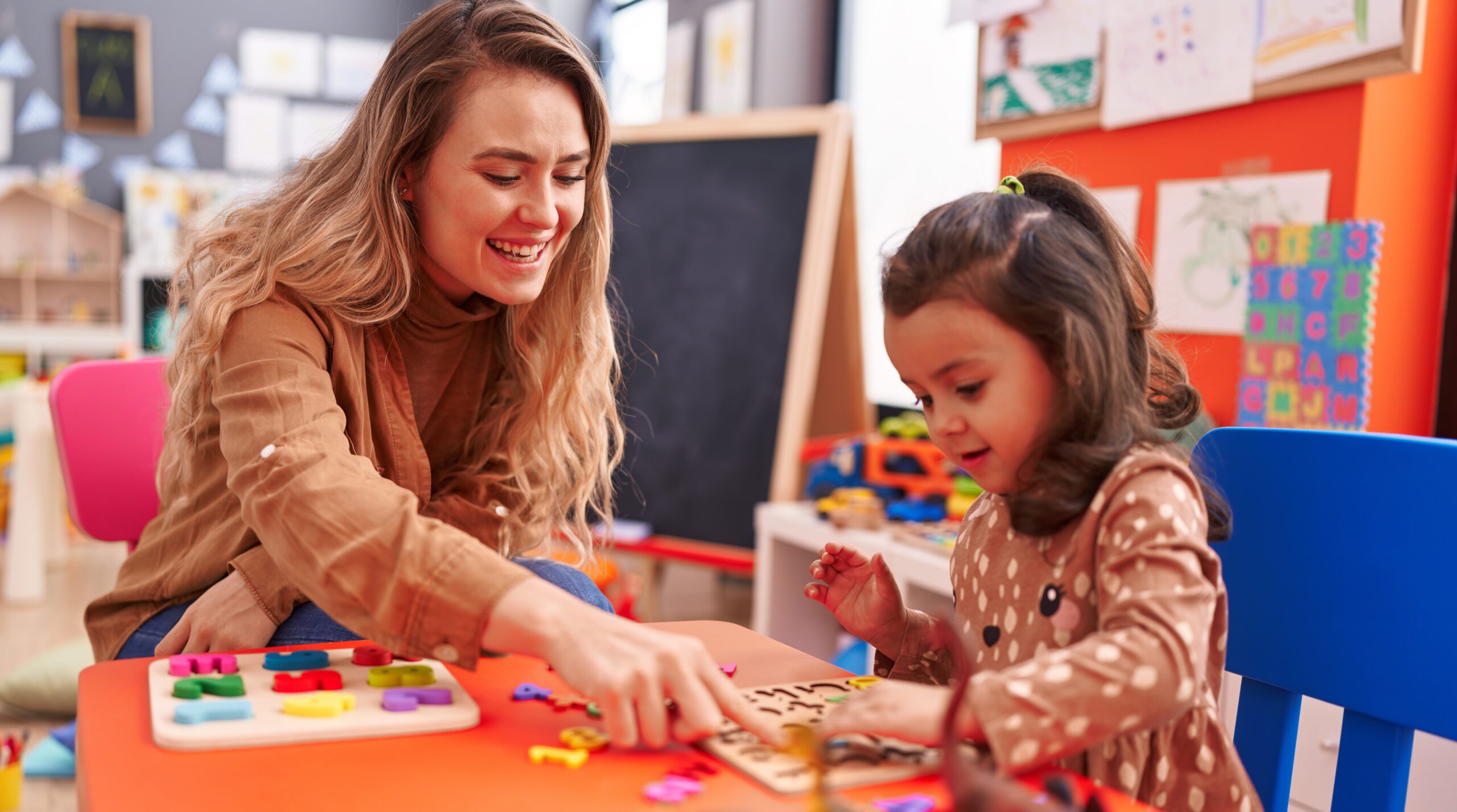

In the world of children’s games, there’s more than just fun and entertainment at play. From the simplest of games to the most complex, children are constantly learning and developing important skills that can benefit them throughout their lives.
While it may seem like playtime, these games are actually teaching children a variety of skills that are both unexpected and valuable.
1. Creativity
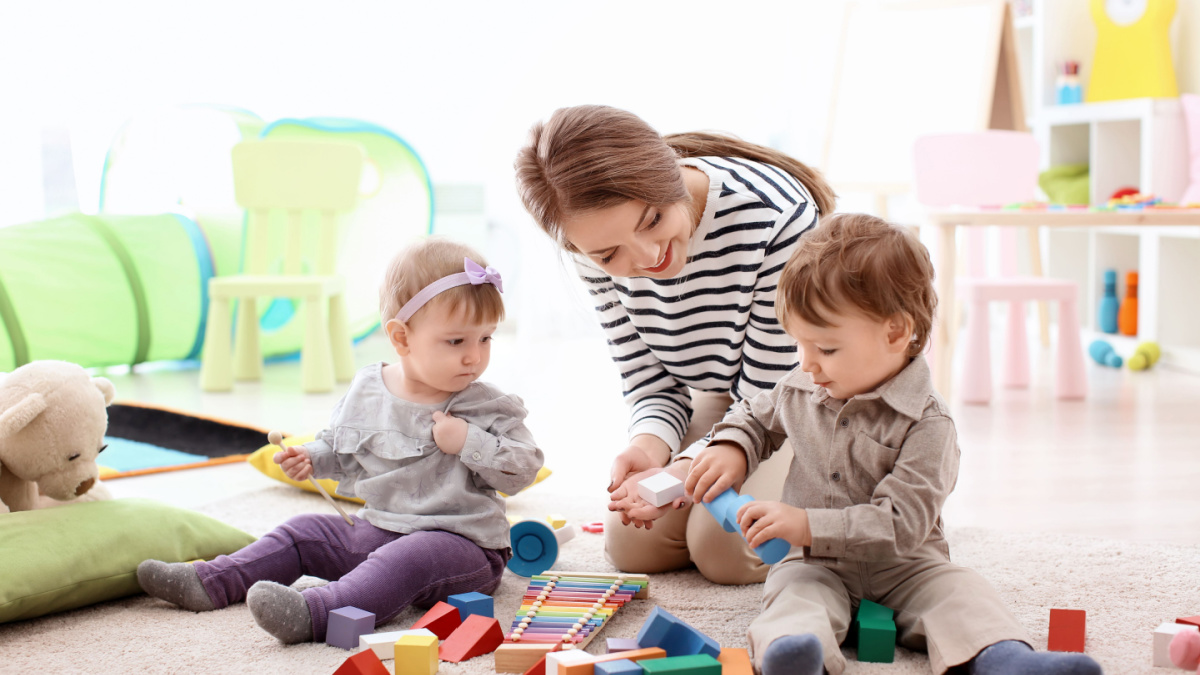
Children’s games often encourage creativity in ways that adults may overlook. Whether it’s building with blocks, creating imaginary worlds, or inventing new rules for a game, children are constantly using their imagination to explore and innovate.
By participating in these games, adults can tap into their own creativity and learn to think outside the box in various aspects of their lives, from problem-solving to artistic expression.
2. Social Skills
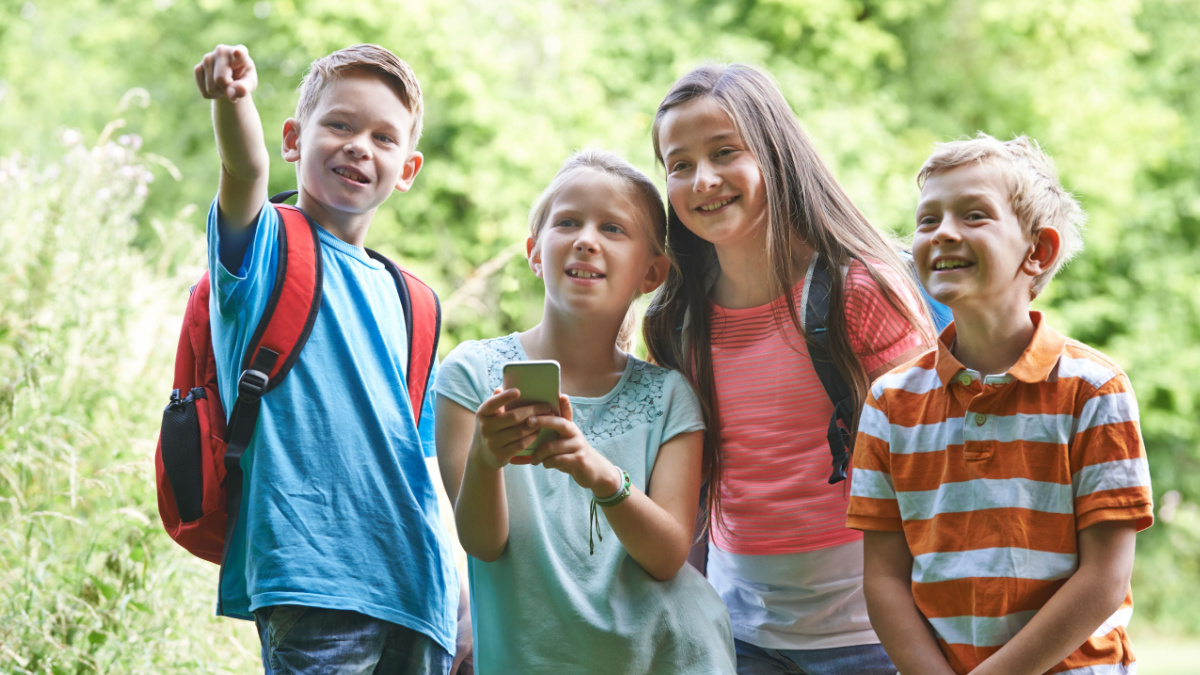
Many children’s games involve interaction with others, teaching important social skills such as cooperation, communication, and teamwork. Whether it’s taking turns in a board game, negotiating rules in a playground game, or resolving conflicts during playtime, children learn how to navigate social interactions from a young age.
Adults can benefit from these games by honing their own social skills, improving their ability to work with others and build strong relationships.
3. Resilience
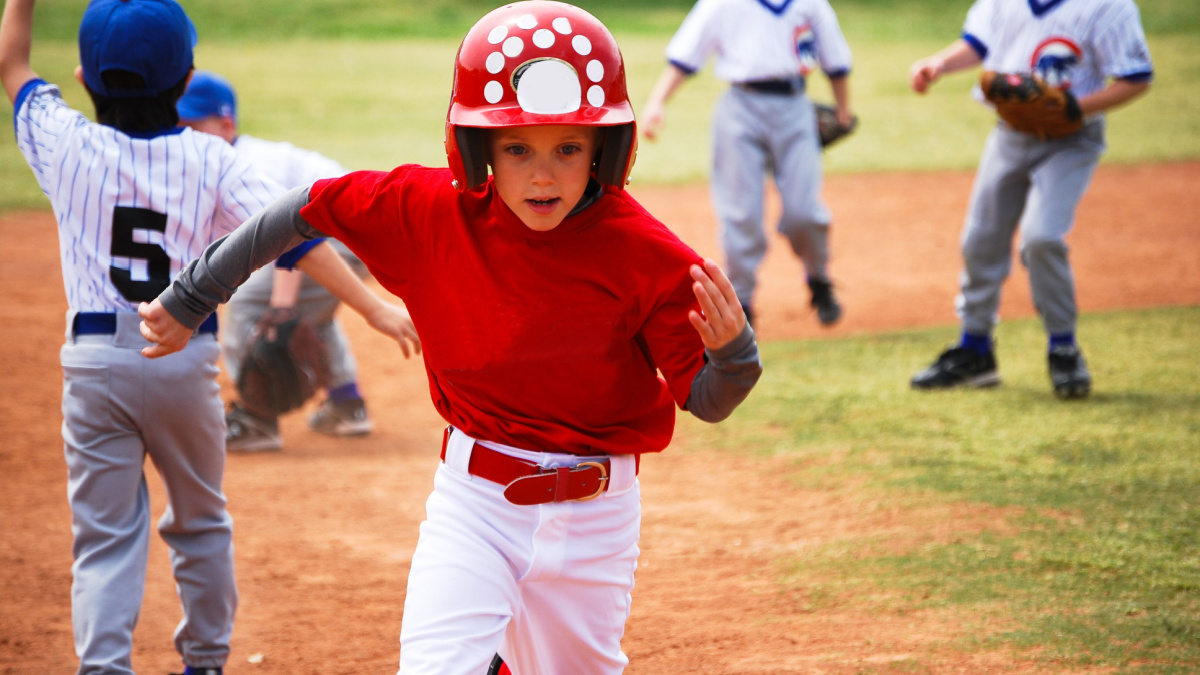
Children often face setbacks and failures while playing games, whether it’s losing a round of a game or facing challenges in physical activity. Through these experiences, they learn resilience and how to bounce back from disappointments.
Adults can learn from children’s games by embracing failure as a natural part of the learning process and developing the resilience to persevere in the face of adversity.
4. Problem-Solving
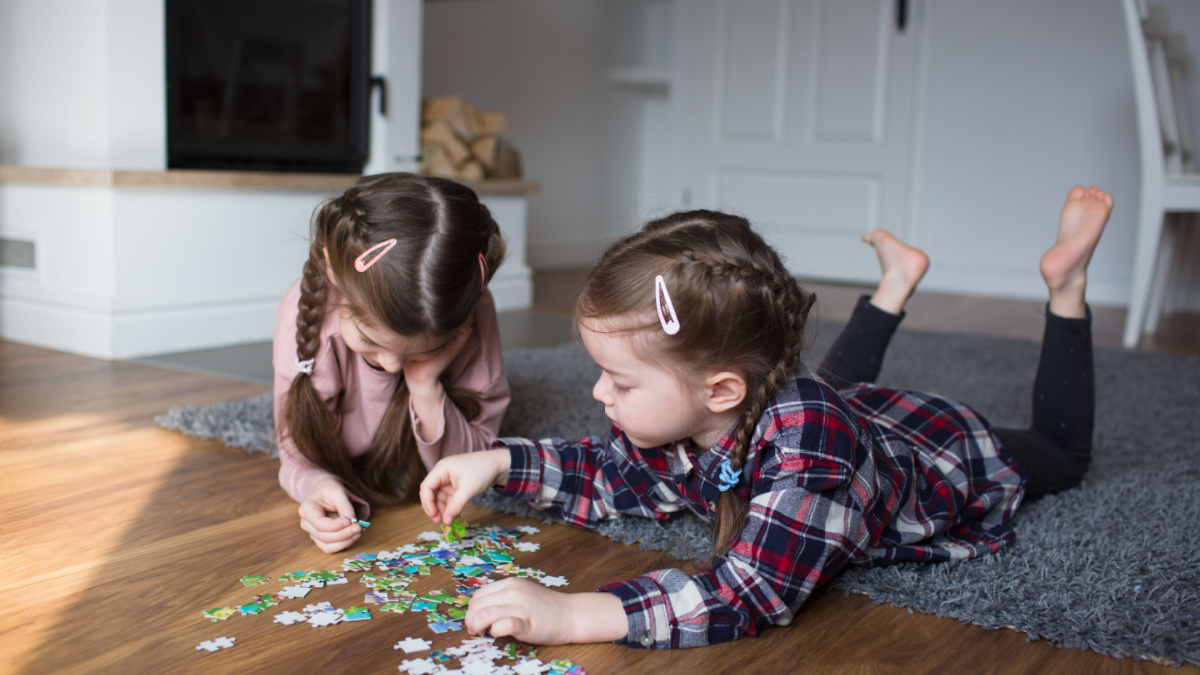
Many children’s games require problem-solving skills to overcome obstacles and achieve goals. Whether it’s figuring out a puzzle, strategizing in a board game, or finding creative solutions to challenges in a pretend play scenario, children are constantly exercising their problem-solving abilities.
Adults can apply these skills to their own lives, learning to approach challenges with a fresh perspective and finding innovative solutions to problems.
5. Physical Coordination
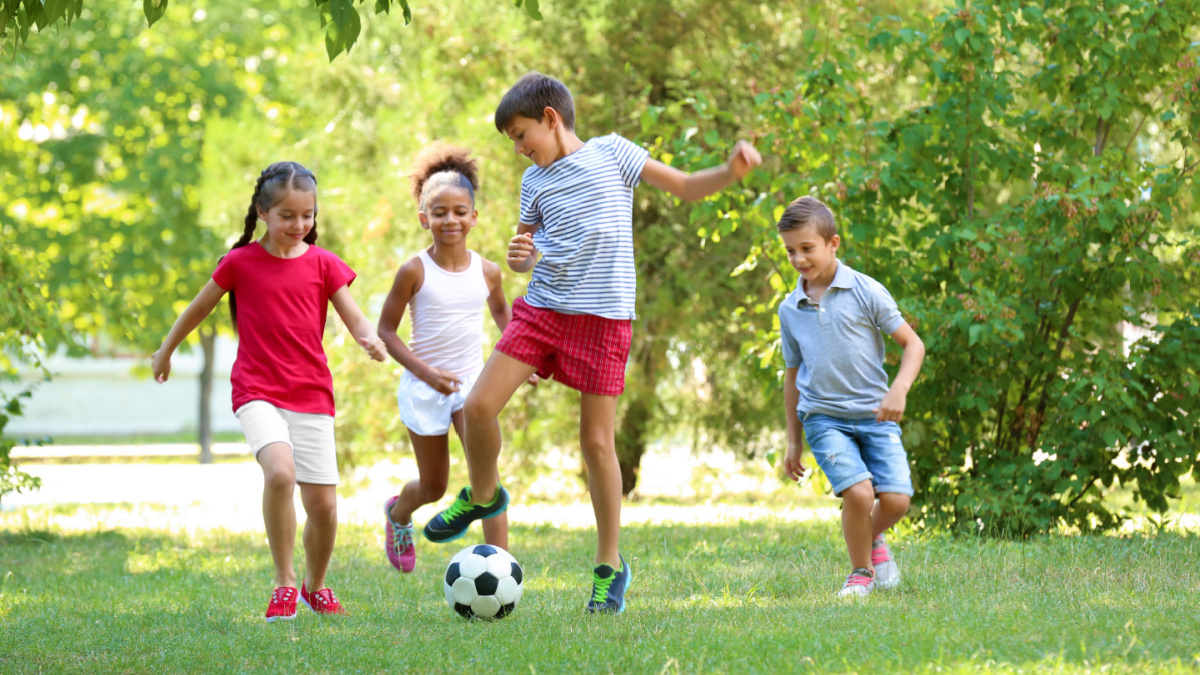
Physical games and activities are an integral part of childhood play, helping children develop their gross and fine motor skills. Whether it’s running, jumping, climbing, or playing catch, these activities promote physical coordination and balance.
Adults can benefit from participating in children’s games by improving their own physical fitness and coordination, leading to better overall health and well-being.
6. Patience
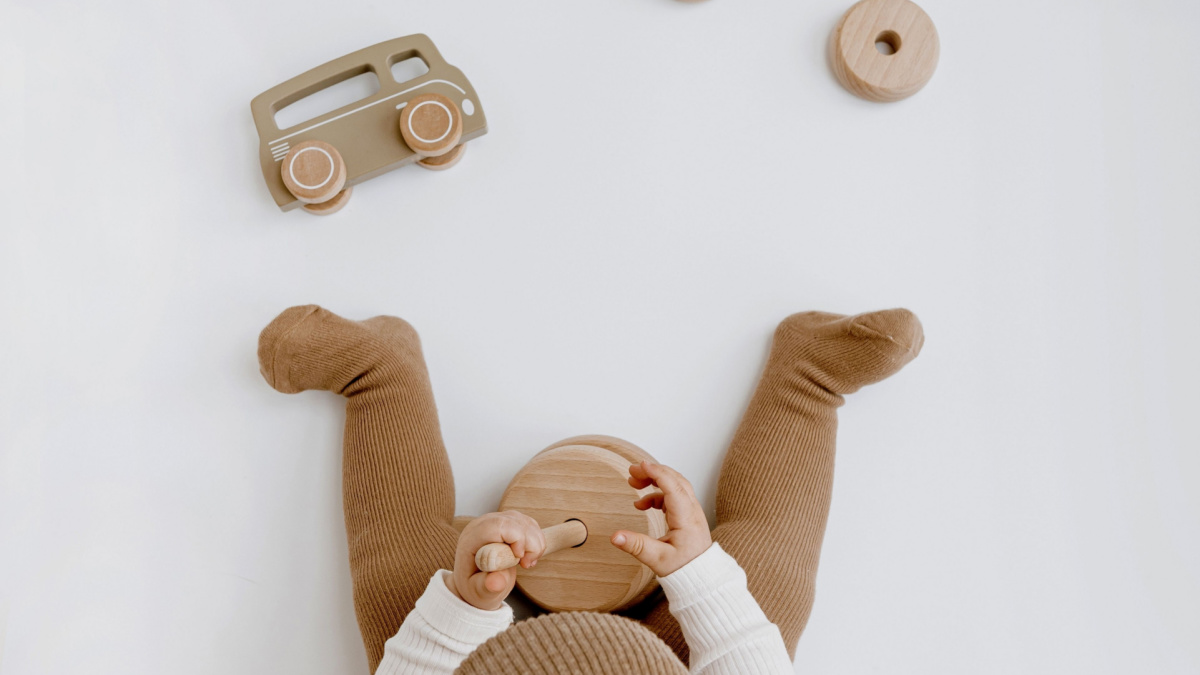
Some children’s games require patience and persistence to succeed. Whether it’s waiting for a turn in a game, practicing a new skill until mastery is achieved, or persevering through a challenging task, children learn the value of patience through play.
Adults can learn from children’s games by cultivating patience in their own lives, whether it’s waiting for results, working towards long-term goals, or dealing with difficult situations calmly and rationally.
7. Imagination

Children’s games often involve imaginative play, where they create imaginary worlds, characters, and scenarios. This imaginative play fosters creativity, critical thinking, and problem-solving skills.
Adults can benefit from engaging in imaginative play with children, tapping into their own creativity, and exploring new possibilities in their personal and professional lives.
8. Emotional Intelligence

Children’s games provide opportunities for emotional expression and empathy, teaching children to recognize and manage their own emotions and understand the feelings of others.
Whether it’s role-playing different emotions in a game, comforting a friend who is upset, or celebrating a teammate’s success, children learn important lessons in emotional intelligence through play. Adults can learn from children’s games by developing their own emotional intelligence, improving their ability to understand and connect with others on a deeper level.
9. Adaptability

Children’s games often involve adapting to changing circumstances and unexpected challenges, teaching children to be flexible and resilient.
Whether it’s adjusting to new rules in a game, improvising with available resources, or finding creative solutions to unforeseen obstacles, children learn the importance of adaptability through play. Adults can apply these lessons to their own lives, learning to embrace change and navigate uncertain situations with confidence and resilience.
10. Joy and Playfulness
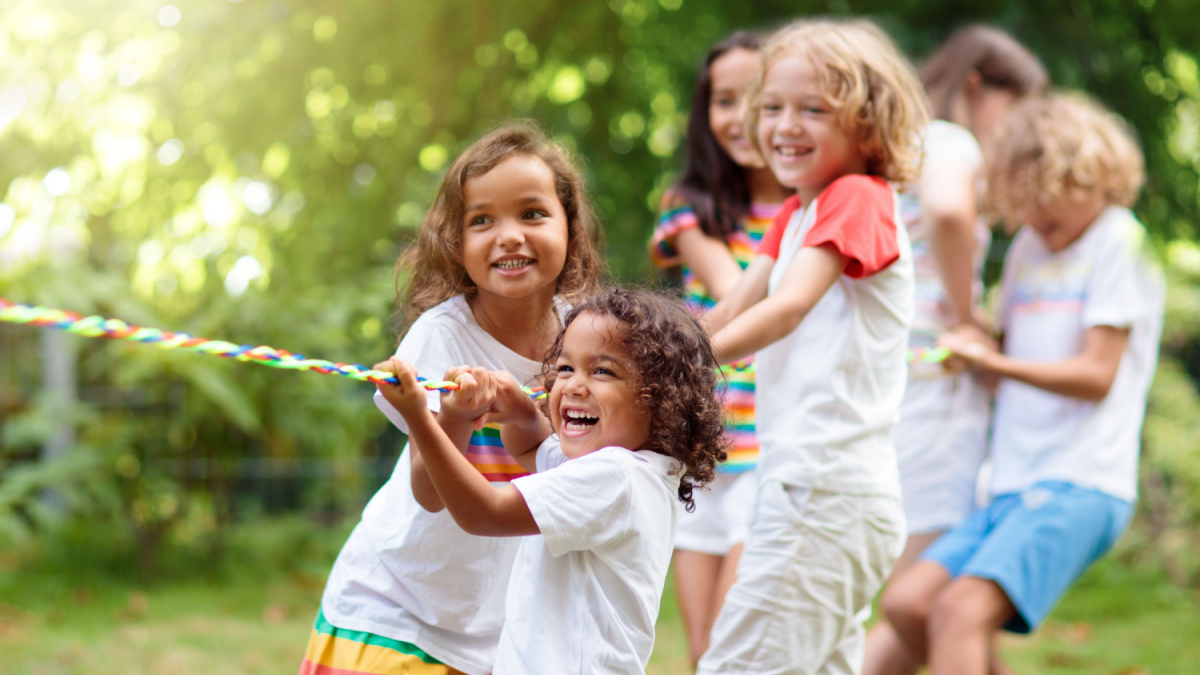
Perhaps the most important lesson adults can learn from children’s games is the value of joy and playfulness. Children approach play with a sense of wonder, curiosity, and enthusiasm, finding joy in the simplest of activities.
By embracing the spirit of play, adults can rediscover a sense of fun and playfulness in their own lives, leading to greater happiness, fulfillment, and well-being.
11. Time Management

Children’s games often have rules and time limits, teaching kids to manage their time effectively. Whether it’s taking turns, finishing a game before dinner, or completing tasks within a certain time frame, children learn to prioritize and allocate their time wisely.
Adults can benefit from these games by improving their own time management skills, learning to prioritize tasks and meet deadlines more efficiently.
12. Memory Skills
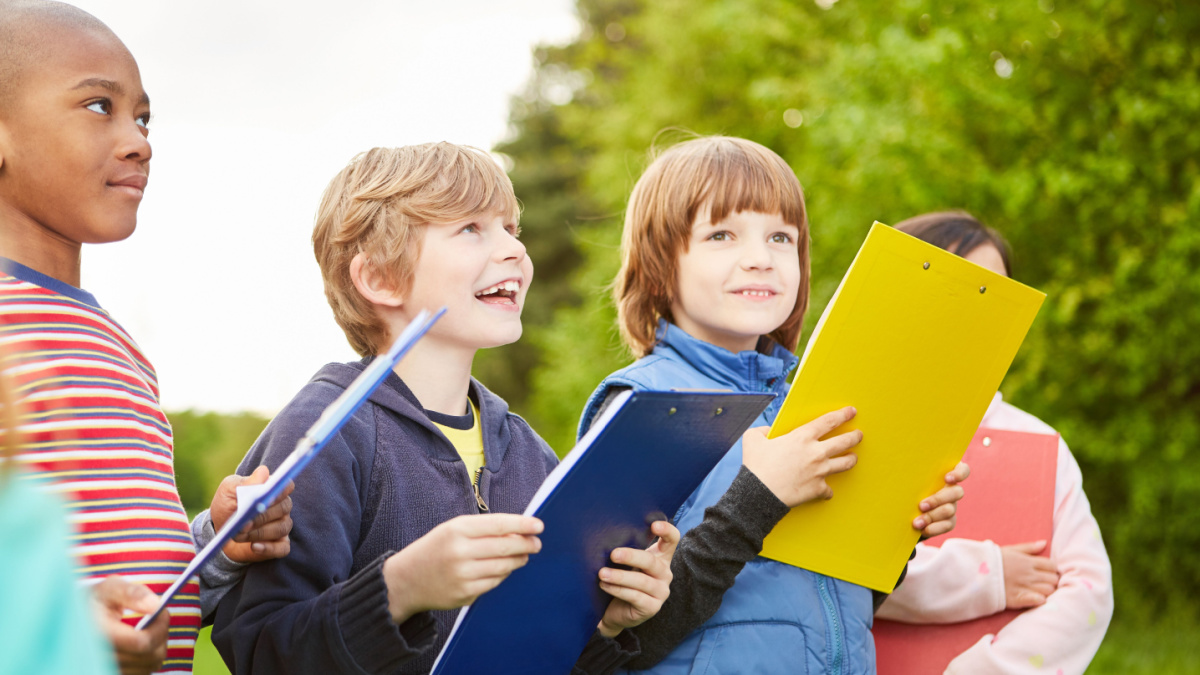
Many children’s games, such as memory matching games or Simon Says, require players to remember patterns, sequences, or rules. These games help children develop their memory skills and enhance their ability to recall information.
Adults can improve their own memory skills by participating in these games, challenging their brain, and keeping their memory sharp.
13. Strategic Thinking
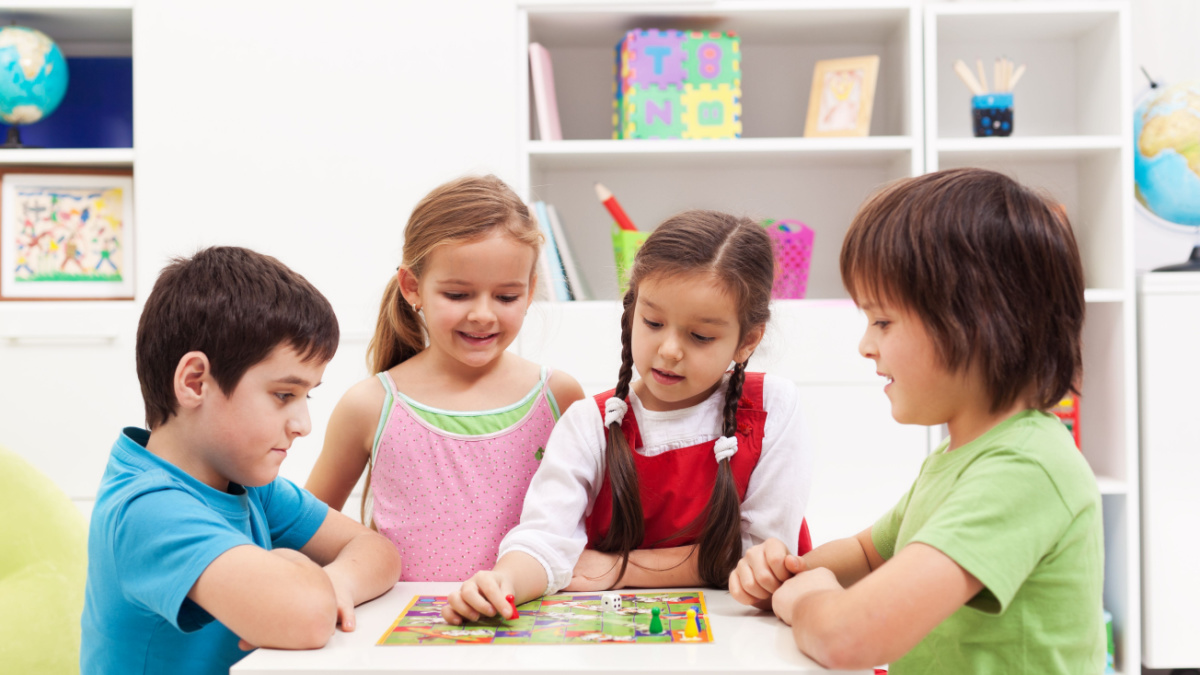
Board games and strategy games for children often require strategic thinking and planning to outsmart opponents or achieve specific objectives. These games teach children to think ahead, anticipate consequences, and make strategic decisions.
Adults can enhance their own strategic thinking skills by playing these games, learning to analyze situations, make informed decisions, and plan for the future.
12 Things People Don’t Realize Belong in the Fridge

In our daily lives, we all rely on the trusty refrigerator to keep our food fresh and beverages cool. However, there are many items that people often overlook when it comes to refrigeration.
It’s not just about the groceries or leftovers; several surprising things actually belong in the fridge to maintain their quality and longevity.
12 Things People Don’t Realize Belong in the Fridge
12 Household Items You Can Throw Out Today (You Really Don’t Need Them)

Do you feel sometimes like all you ever do is clean up and put away clutter? No matter how big your space is, it seems like all of our “stuff” just takes over, making it harder and harder to have a clean and tidy space.
The secret to a clean, orderly space is very simple: have fewer things around that take up space and force you to care for them. Here are 12 things you definitely can get rid of and won’t miss! (Or things you can avoid buying so you save money, too!)
12 Household Items You Can Throw Out Today (You Really Don’t Need Them)
8 Ways to Create a Relaxing Oasis in Your Rental

It’s always a great idea to improve our living spaces. After all, most of us spend most of our time at home, so wouldn’t it be nice if the place you spend most of your time is nice? But how do we execute this effectively?
Here, we have summarised some of the easiest ways to upgrade your humble renting abode, and the best part is that it won’t even cost you a pretty penny.
8 Ways to Create a Relaxing Oasis in Your Rental
3 Outdated and Overdone Bathroom Design Trends That Are No Longer Trending

One could say that bathrooms are equal parts utility and sanctuary. Essentially, they’re the place where you can light a candle and wind down from a long day, but at the same time, it’s the exact spot where most of your grooming and getting ready for your day (or bed) happens. In terms of aesthetics, we do want our bathrooms to feel welcoming and serene, but, at the same time, they need to be functional.
3 Outdated and Overdone Bathroom Design Trends That Are No Longer Trending
15 Home Trends That We Wish Were Already Over

The home design trends that are so popular today will be out of style tomorrow. The “in” styles usually start at the designer level before trickling down to the public. It’s helpful to look ahead at the next trends when having work done for your home. What’s in today among the public may already be on its way out and no longer be used by designers.
15 Home Trends That We Wish Were Already Over
This article was produced and syndicated by Engineer Your Finances.