


We often overlook the softer, subtler skills that can significantly enhance our daily lives. These underrated abilities enrich our personal experiences and empower us in ways we scarcely acknowledge.
From improving relationships to boosting career prospects, mastering these 20 skills can lead to profound transformations in both personal and professional realms. Here’s a deep dive into each one.
1. Active Listening

Active listening is more than just hearing words; it’s about fully comprehending, processing, and responding to what others say. It requires undivided attention, reading non-verbal cues, and showing empathy.
Mastering active listening can improve relationships, reduce misunderstandings, and foster a deeper connection with others. It’s a cornerstone of effective communication and a skill highly valued in personal and professional contexts.
2. Self-Soothing

The ability to calm oneself during stress or emotional turmoil is invaluable. Self-soothing techniques, such as deep breathing, mindfulness, or engaging in a comforting activity, can help manage anxiety, reduce stress, and promote emotional resilience.
By mastering self-soothing, individuals can maintain their composure in challenging situations, leading to healthier coping mechanisms and overall well-being.
3. Cooking

Cooking is not just a means to satisfy hunger; it’s an essential life skill with benefits that extend beyond the kitchen. It encourages a healthier lifestyle, saves money, and can create joy and creativity.
Cooking allows for control over ingredients and nutrition, fosters social connections through shared meals, and can be a therapeutic activity that boosts mental health.
4. Basic Sewing

Knowing how to perform basic sewing tasks, such as fixing a button, mending a tear, or hemming trousers, is incredibly practical. It extends the life of clothing, saves money, and reduces waste.
Sewing can also be a creative outlet, allowing for personal expression through customization and DIY projects. In an era of fast fashion, sewing is a step towards sustainability and mindfulness about consumption.
5. Basic Personal Finance Skills

Understanding how to manage money, budget, save, and invest is foundational for financial independence and security. Basic personal finance skills enable individuals to make informed decisions about their money, avoid debt, and work towards their financial goals.
These skills are crucial for navigating financial challenges and ensuring a stable future.
6. Critical Thinking

Critical thinking involves analyzing information, evaluating evidence, and making reasoned arguments. It’s essential for problem-solving, decision-making, and navigating overwhelming information in the digital age.
By honing critical thinking skills, individuals can improve their reasoning abilities, avoid cognitive biases, and make better decisions in all areas of life.
7. Patience

Patience is the ability to endure delays, challenges, or suffering without annoyance or anxiety. In a fast-paced world where instant gratification is the norm, patience allows for deeper task engagement, fosters resilience, and improves emotional well-being.
It’s a virtue that enhances relationships, work outcomes, and personal growth.
8. Conversational Skills

Good conversational skills enable individuals to interact effectively, build relationships, and express themselves clearly. This includes initiating conversations, listening actively, asking engaging questions, and adapting to social cues.
Mastering conversational skills can open doors in personal and professional life, making it easier to network, collaborate, and form meaningful connections.
9. Excel

Microsoft Excel is more than just a tool for accountants. It’s a powerful software that can organize, analyze, and visualize data in countless ways. Proficiency in Excel can streamline tasks, improve productivity, and enhance decision-making processes.
Excel skills are highly beneficial in various fields, from budgeting and planning to complex data analysis.
10. Conflict Resolution
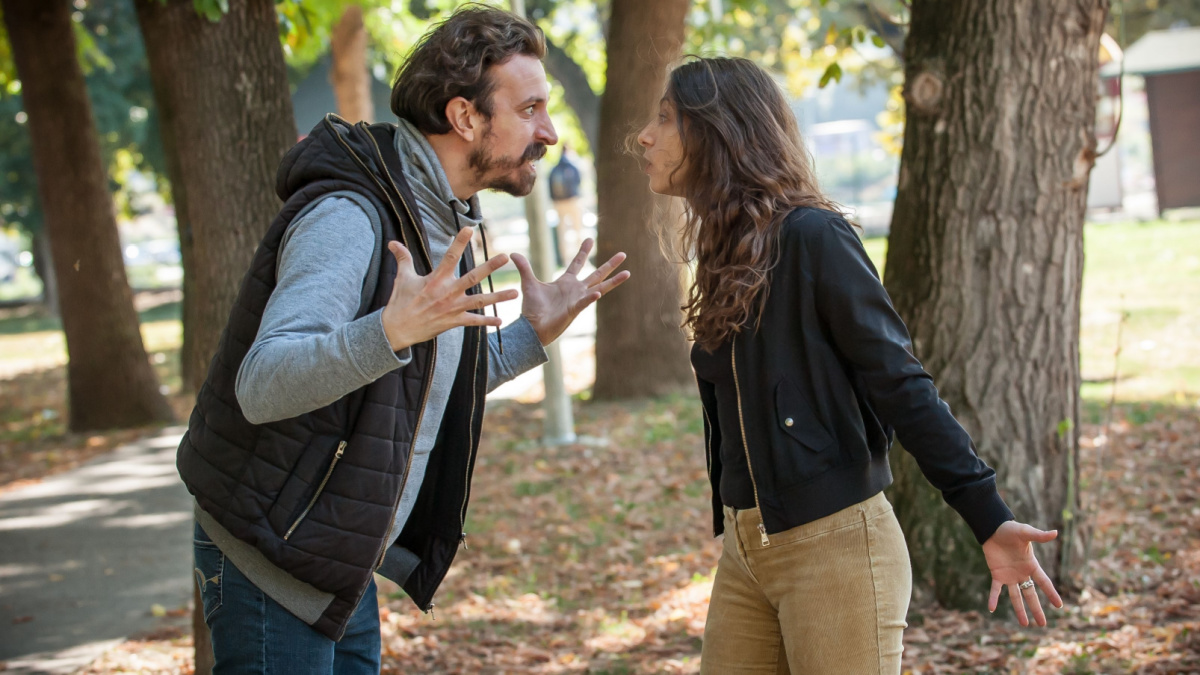
Effectively resolving disagreements and conflicts is crucial for maintaining healthy relationships and cohesive teams. Conflict resolution involves communication, empathy, and problem-solving skills to find mutually acceptable solutions.
Mastering this skill can lead to more harmonious interactions in personal and professional contexts, reducing stress and fostering collaboration.
11. CPR
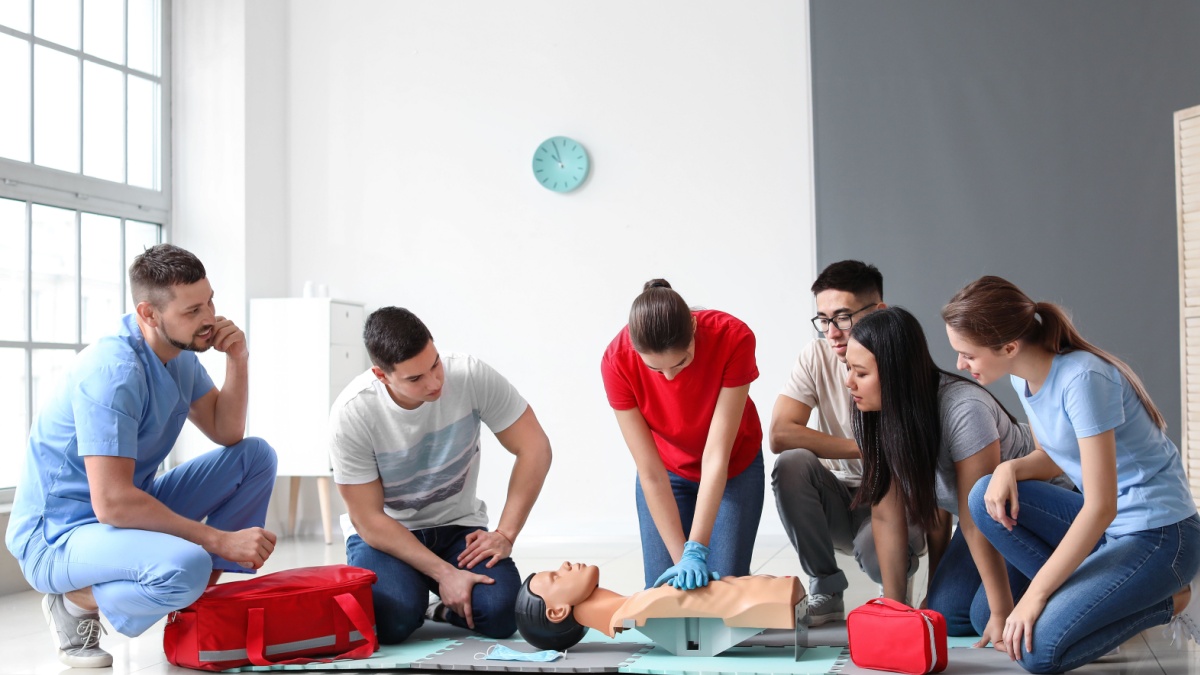
Learning CPR (Cardiopulmonary Resuscitation) can save lives. It’s a critical skill in emergencies where immediate action can make the difference between life and death.
Knowing CPR can empower individuals to act confidently in crises, offering vital assistance until professional medical help arrives.
12. Researching

Practical research skills enable individuals to efficiently locate, evaluate, and utilize information. In an age of information overload, discerning credible sources and extracting relevant data is crucial.
Whether for academic purposes, personal interests, or professional projects, strong research skills enhance knowledge, inform decisions, and drive innovation.
13. Typing

Typing is not just a skill but a necessity. Mastering touch typing, where you can type quickly and accurately without looking at the keyboard, can significantly boost productivity and efficiency in almost any job or educational setting.
It’s about developing muscle memory through practice, allowing you to communicate and work more effectively. Proficiency in typing also reduces the risk of repetitive strain injuries by encouraging proper hand positioning and keystrokes.
14. Swimming

Swimming is a crucial life skill. It is also a great form of physical exercise, promoting cardiovascular health, and muscle strength, and a vital survival skill. Being comfortable and capable in the water can open up a world of activities, from aquatic sports to enjoying leisure time safely.
Additionally, knowing how to swim can equip you to respond effectively in water-related emergencies, potentially saving your life or the lives of others.
15. How to Study

Developing practical study skills is fundamental to learning efficiently and achieving academic and professional goals. This encompasses a range of techniques, from time management and note-taking to understanding how to leverage different learning styles.
Mastering the art of studying can reduce stress and anxiety around exams and deadlines, making the learning process more enjoyable and productive. It’s about finding the best methods for you and adapting them to fit the material and goals.
16. Positive Self-Talk

Positive self-talk can profoundly impact one’s mental health and overall outlook on life. This skill involves shifting from a critical inner voice to one that is supportive and motivating, helping to build self-esteem and resilience against life’s challenges.
Mastering positive self-talk can lead to improved problem-solving skills, lower levels of stress, and a more optimistic perspective, enabling individuals to face obstacles with confidence and determination.
17. Empathy

Empathy, the ability to understand and share another person’s feelings, is key to building strong, healthy relationships both personally and professionally. It involves listening actively, showing compassion, and putting oneself in someone else’s shoes.
Developing empathy can enhance communication skills, reduce conflict, and promote a sense of connection and community. It’s about more than just understanding others; it’s about genuinely caring for their well-being.
18. Spelling and Grammar

Proficiency in spelling and grammar is essential for clear and effective communication. It affects how others perceive your credibility and intelligence and plays a crucial role in accurately conveying your message.
Mastering these aspects of language can improve your ability to express ideas, persuade others, and avoid misunderstandings. Good spelling and grammar are indispensable tools in a world where written communication is ubiquitous.
19. New Languages

Learning new languages opens up a world of opportunities. It allows for direct communication with a broader range of people and offers deeper insights into different cultures and perspectives.
Mastering a new language can enhance cognitive abilities, improve problem-solving skills, and even provide economic advantages in the global job market. It’s a pathway to becoming more globally connected and culturally aware.
20. Advocating for Yourself

Advocating for oneself is critical in navigating life’s various arenas, from personal relationships to professional environments. It involves understanding your needs and rights, communicating them effectively, and standing up for yourself respectfully and assertively.
Mastering self-advocacy can lead to greater self-esteem, improved life satisfaction, and the ability to navigate challenges more successfully. It empowers individuals to take control of their lives and confidently pursue their goals.
15 Conspiracy Theories That Turned Out To Be True

With the amount of information and misinformation available, the line between fact and fiction often blurs, giving rise to conspiracy theories. While many such theories are quickly debunked, a select few have, shockingly, proven to be true.
Here, we share 15 instances where once-dismissed conspiracies were validated, uncovering unsettling truths that challenge our perception of history, governance, and societal institutions.
15 Conspiracy Theories That Turned Out To Be True
15 Things That Have Been Normalized That Shouldn’t Be Normal

It’s pretty hard to define normal, but you know it when you see it. When something has been normalized, it isn’t shocking.
It’s something commonplace that we all get used to. However, maybe some of these things should never have become normal in the first place.
15 Things That Have Been Normalized That Shouldn’t Be Normal
The 5 Most Dangerous Cities in the U.S.

We all want to be safe, and living in a city that is high with crime is not usually what people look for when they look for a place to live. Tracking crime statistics and safety is a complicated measure, but the FBI does its best to track different crime rates in most cities and states in the U.S.
You may be surprised to learn which cities made the list of the most dangerous cities. We often associate crime with large cities, such as New York, Chicago, and L.A., but those cities did not make it to the top five.
The 5 Most Dangerous Cities in the U.S.
12 Things That Were Socially Acceptable 25 Years Ago, but Are Frowned Upon Today

Over the past 25 years, society has seen significant changes in what it considers acceptable behavior. What was once deemed perfectly fine in the past is now often met with disapproval. As cultural norms and values continue to evolve, it’s essential to reflect on these changes and how they shape our daily lives.
12 Things That Were Socially Acceptable 25 Years Ago, but Are Frowned Upon Today
15 Behaviors That Are a Dead Giveaways Someone Grew up Poor

Many people who grew up poor don’t exactly want to display this information for the world to see. However, it can come out in a wide range of behaviors that make it obvious that the person grew up lower class or in poverty.
Many people have habits that they picked up during those years that they haven’t let go of yet.