


Addiction isn’t always associated with substances like drugs or alcohol. Instead, many of our daily habits and behaviors can escalate into addictive patterns without us even realizing it.
From the moment we wake up to the minute we fall asleep, society often normalizes certain addictions, blurring the line between harmless habits and harmful dependencies.
Here are twenty addictions that have become ingrained in our culture, frequently overlooked or dismissed as acceptable norms.
Mindless Scrolling

In the age of smartphones, mindless scrolling through social media feeds or news websites has become a ubiquitous habit. Many of us find ourselves compulsively reaching for our phones, seeking that dopamine hit from endless scrolling.
However, this addiction can lead to decreased productivity, disrupted sleep patterns, and even feelings of inadequacy as we compare ourselves to others online.
Competing

From childhood games to corporate ladder climbing, society encourages a culture of competition. While healthy competition can be motivating, an addiction to constantly one-upping others can be detrimental to our mental well-being. The relentless pursuit of being the best can lead to stress, burnout, and damaged relationships.
Caffeine

A morning cup of coffee is a ritual for many, but caffeine addiction can quickly spiral out of control. With energy drinks, caffeinated sodas, and strong coffees readily available, consuming more caffeine than our bodies can handle is easy. Dependence on caffeine can result in jitters, insomnia, and withdrawal headaches when we try to cut back.
Sugar

Sweet treats are often used to reward ourselves or cope with stress, but sugar addiction can have severe consequences for our health. The constant cycle of sugar highs and crashes can lead to weight gain, diabetes, and even addiction-like cravings for more sugar.
Working

In a society that values productivity above all else, workaholism is often praised rather than recognized as a harmful addiction. Constantly working overtime or sacrificing personal time for career advancement can lead to burnout, strained relationships, and a diminished sense of self-worth outside of work.
Soda

Despite being linked to various health issues, soda consumption remains a prevalent addiction in many societies. The combination of caffeine, sugar, and carbonation can make soda incredibly addictive, leading to weight gain, dental problems, and an increased risk of chronic diseases.
Alcohol

While social drinking is widely accepted, alcohol addiction can wreak havoc on individuals and their loved ones. What starts as occasional drinking can escalate into dependence, leading to liver damage, impaired judgment, and strained relationships.
Gaming

The rise of video games has led to a growing number of individuals addicted to gaming. Whether it’s immersive multiplayer worlds or addictive mobile apps, gaming addiction can result in social isolation, neglect of responsibilities, and even physical health issues from prolonged sedentary behavior.
Social Media

Platforms like Facebook, Instagram, and TikTok offer a constant stream of validation and connection, making social media addiction increasingly common. Excessive use can lead to feelings of loneliness, anxiety, and a distorted sense of reality as we compare our lives to curated online personas.
Cigarettes

Despite widespread awareness of the health risks, cigarette addiction remains prevalent in many societies. Nicotine’s addictive properties can make quitting smoking a daunting challenge, with withdrawal symptoms often leading individuals back to the habit.
Vaping

While marketed as a safer alternative to smoking, vaping has its own set of addictive risks. The allure of fruity flavors and discrete devices can mask the addictive nature of nicotine, leading to a new generation of nicotine-dependent individuals.
Food
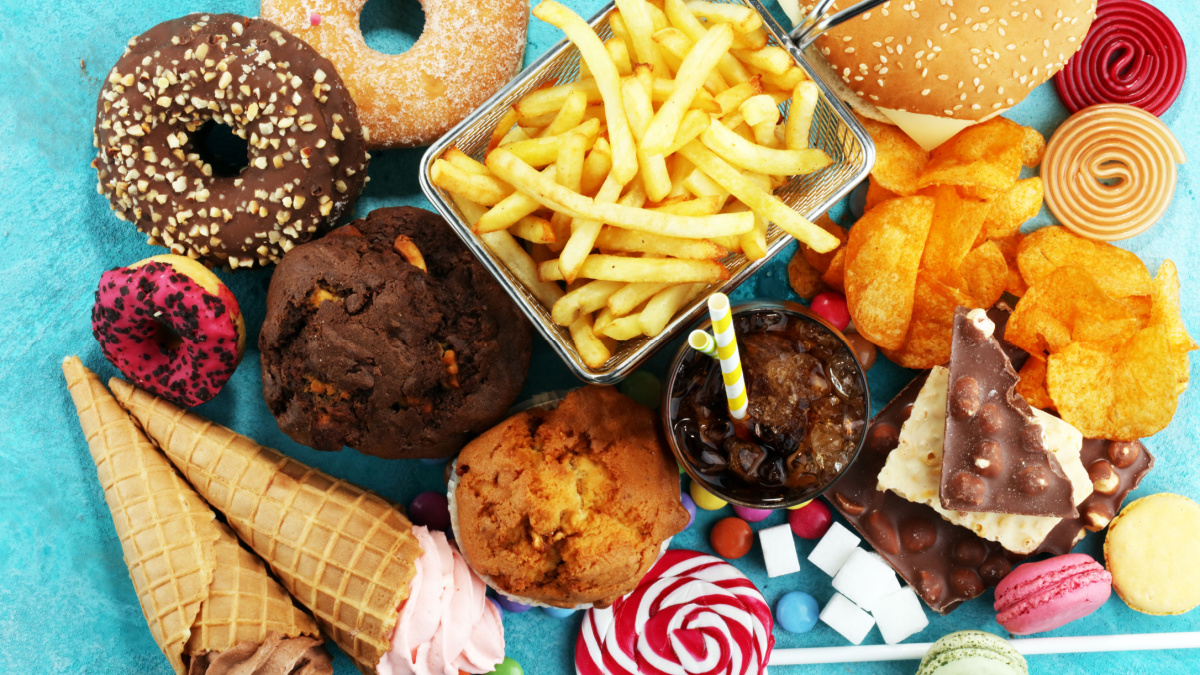
Emotional eating and food addiction are often overlooked in a society that celebrates indulgence and comfort foods. However, reliance on food for comfort or coping can lead to obesity, poor nutrition, and a cycle of guilt and shame surrounding eating habits.
Shopping

Retail therapy is a commonly accepted coping mechanism, but it can quickly spiral into a shopping addiction. The thrill of purchasing and the temporary high of new possessions can lead to financial strain, cluttered living spaces, and guilt or regret.
Overspending

In a consumer-driven society, overspending is often normalized as a symbol of success or status. However, compulsive shopping and financial irresponsibility can lead to debt, stress, and strained relationships with loved ones.
Outrage

Constantly seeking out sources of outrage or controversy has become a common addiction in the age of social media and 24-hour news cycles. While outrage can feel empowering at the moment, it can also perpetuate negativity, stress, and a skewed worldview.
Television

Binge-watching TV shows have become a cultural norm, with streaming services offering endless entertainment at our fingertips. However, excessive screen time can lead to sedentary lifestyles, disrupted sleep patterns, and a disconnect from the real world.
Energy Drinks

For those seeking a quick energy boost, energy drinks offer a tempting solution. However, their high caffeine and sugar content can lead to dependency, heart palpitations, and other adverse health effects with long-term use.
Celebrity Watching
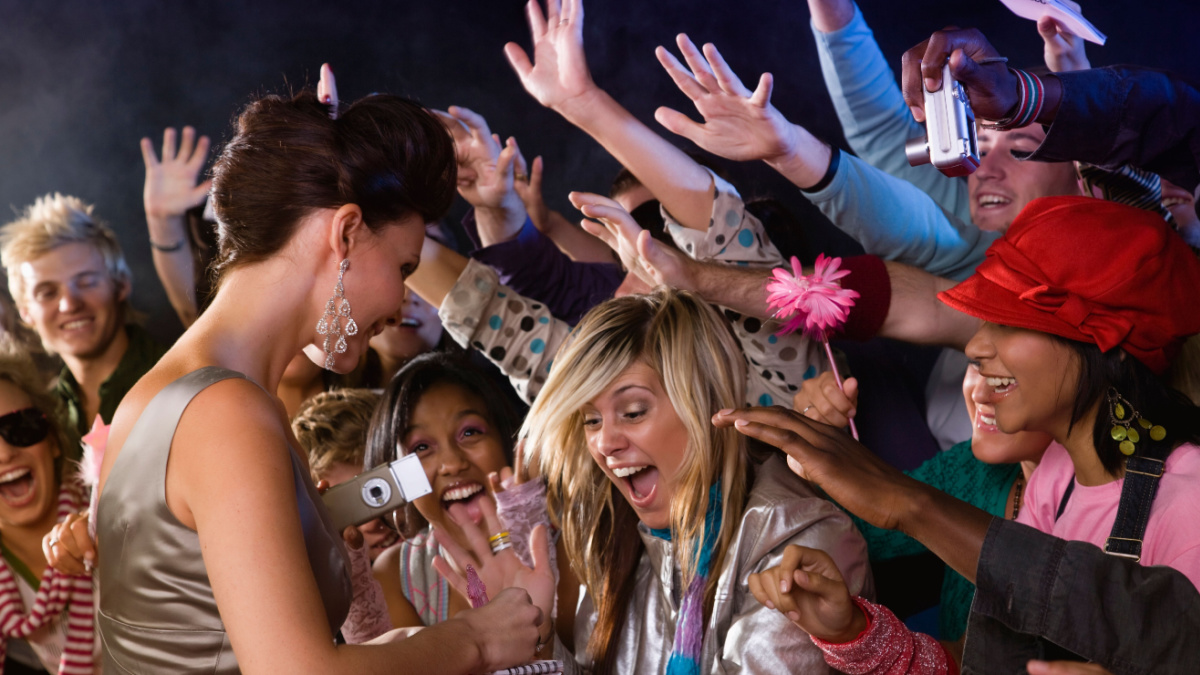
Obsessively following the lives of celebrities through gossip magazines, reality TV, or social media can become a consuming addiction. While entertainment can be harmless in moderation, fixating on the glamorous lives of others can lead to feelings of inadequacy and dissatisfaction with our own lives.
Power

The pursuit of power and control can become addictive, whether in personal relationships, the workplace, or society at large. However, this addiction to power often comes at the expense of empathy, collaboration, and genuine human connection.
Gambling

The thrill of risking money on uncertain outcomes can quickly escalate into a gambling addiction, especially with the accessibility of online betting platforms. What starts as harmless fun can lead to financial ruin, strained relationships, and a cycle of compulsive behavior.
15 Conspiracy Theories That Turned Out To Be True

With the amount of information and misinformation available, the line between fact and fiction often blurs, giving rise to conspiracy theories. While many such theories are quickly debunked, a select few have, shockingly, proven to be true.
Here, we share 15 instances where once-dismissed conspiracies were validated, uncovering unsettling truths that challenge our perception of history, governance, and societal institutions.
15 Conspiracy Theories That Turned Out To Be True
15 Things That Have Been Normalized That Shouldn’t Be Normal

It’s pretty hard to define normal, but you know it when you see it. When something has been normalized, it isn’t shocking.
It’s something commonplace that we all get used to. However, maybe some of these things should never have become normal in the first place.
15 Things That Have Been Normalized That Shouldn’t Be Normal
The 5 Most Dangerous Cities in the U.S.

We all want to be safe, and living in a city that is high with crime is not usually what people look for when they look for a place to live. Tracking crime statistics and safety is a complicated measure, but the FBI does its best to track different crime rates in most cities and states in the U.S.
You may be surprised to learn which cities made the list of the most dangerous cities. We often associate crime with large cities, such as New York, Chicago, and L.A., but those cities did not make it to the top five.
The 5 Most Dangerous Cities in the U.S.
12 Things That Were Socially Acceptable 25 Years Ago, but Are Frowned Upon Today

Over the past 25 years, society has seen significant changes in what it considers acceptable behavior. What was once deemed perfectly fine in the past is now often met with disapproval. As cultural norms and values continue to evolve, it’s essential to reflect on these changes and how they shape our daily lives.
12 Things That Were Socially Acceptable 25 Years Ago, but Are Frowned Upon Today
15 Behaviors That Are a Dead Giveaways Someone Grew up Poor

Many people who grew up poor don’t exactly want to display this information for the world to see. However, it can come out in a wide range of behaviors that make it obvious that the person grew up lower class or in poverty.
Many people have habits that they picked up during those years that they haven’t let go of yet.