


You are most definitely not alone if you feel like you have a shopping addiction. We live in an age of hyper-consumerism, and we constantly have algorithms throwing things at us that we want to buy.
But if we always give in to buying new things that we want but don’t need, it’s gonna end up costing us a lot and, at the end of the day, get in the way of our savings goals. If you’d like to cut back on this destructive habit, then you’ve come to the right place. Read on as we have listed all the strategies for quitting impulsive shopping.
Clarify Your Financial Goals

If you are just spending money recklessly and buying things that you don’t need, then you probably don’t have any financial goals in place. Defining your financial goals is a great way to know what steps you need to take to reach them, and it will also hopefully deter you from spending too much on shopping.
Take time to think about the things you value, and if these are financial goals, think about all the things that can be done to get closer to reaching these goals. Perhaps you wanna save for a down payment on a house or a nice overseas vacation.
Draw up or Revise Your Budget

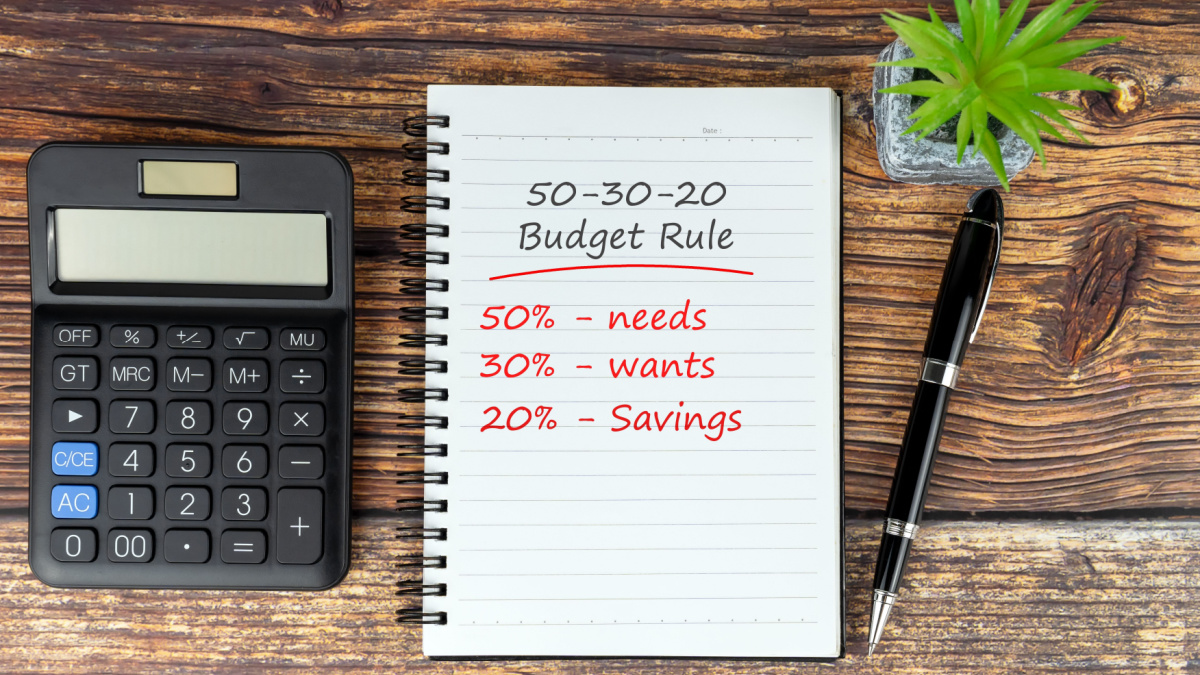
Now could be a good time to scrutinize your budget if you already have one or create one if you don’t have one yet. This will give you a clear idea of how much you want to be spending on each sector in your life.
Of course, your needs, such as housing, food, transportation, medical expenses, and utilities, are all needs that need to be accounted for first. Whatever money you have left after this can be allocated for savings and investments, and don’t forget to spend some money on having fun.
Evaluate Spending and Stick to a Plan
If you feel like you have spent way too much money in recent months on shopping, then it could be a good move to try and track down all these payments and add them up to see how much you have been contributing to this habit.
If the number shocks you, then hopefully, it’ll help you realize how much of a change you need to make and how much effort you need to put into sticking to a new plan that involves less shopping.
Make a Wishlist

By adding items that you want to buy to a wishlist, you are essentially delaying spending. Try to hold off from buying the items for one whole month, and when you revisit the list later on, evaluate to see if you still really want to buy this item.
Chances that you still want to buy this item may be really low when you realize you have lived a whole month and survived just fine without this item in your life.
Stick To Lists When Shopping

It’s crucial to always be strict with yourself and stick to a list when you go shopping. This will prevent you from buying things that you don’t need.
Try a Dry Month

Try going one whole month without any purchases outside of your daily needs. This will hopefully show you how you can easily go for long periods without shopping, and hopefully, it will also slash your shopping addiction. Once you’ve done one month you can try two months and so forth.
20 Frugal Tips From the “Grandparents Generation” That Still Apply Today

Many of today’s grandparents had parents or grandparents who lived through the Great Depression. They adopted many of the frugal living tips they learned and passed them on to their own children.
Grandkids sometimes think that they know everything and that their grandparents are out of touch with today’s world and reality. And while there might be a kernel of truth to that, grandparents still have a wealth of knowledge that can really help. They may need to be tweaked to fit the current world but they are still valuable.
20 Frugal Tips From the “Grandparents Generation” That Still Apply Today
13 Signs You’re Financially Better Off Than the Average American

Achieving financial stability where you can meet your current financial obligations comfortably and still plan for the future is a goal everyone strives to attain.
However, while you may be able to pay your bills, save for vacations, and afford to dine out occasionally, you may feel left behind, especially if you compare yourself with your peers or others with higher salaries. You may be doing way better financially than the average American.
13 Signs You’re Financially Better Off than the Average American
14 Companies That Will Give You Free Food and Products Just for Asking

More companies are now offering free samples to get customers to try a new product. Over time, these companies gain loyal customers and can increase their sales. As a customer, you also get to test out free products and sample foods you’ve never tasted.
Read on as we explore some companies that will give you food and products for free just by asking.
14 Companies That Will Give You Free Food and Products Just for Asking
14 Powerful Frugal Living Tips for Middle-Class Americans

Inflation is high. This means that we don’t all need to understand, but we do understand that prices are high on basically everything. Everything costs more, and things are tough. Basic necessities like housing and healthcare are becoming increasingly unaffordable for most people.
As middle-class Americans adjust to the new reality, here are some powerful frugal living tips that can make our lives easier and better.
14 Powerful Frugal Living Tips for Middle-Class Americans