Skip to content

Posts from the ‘Credit & Debt’ Category

23
Nov

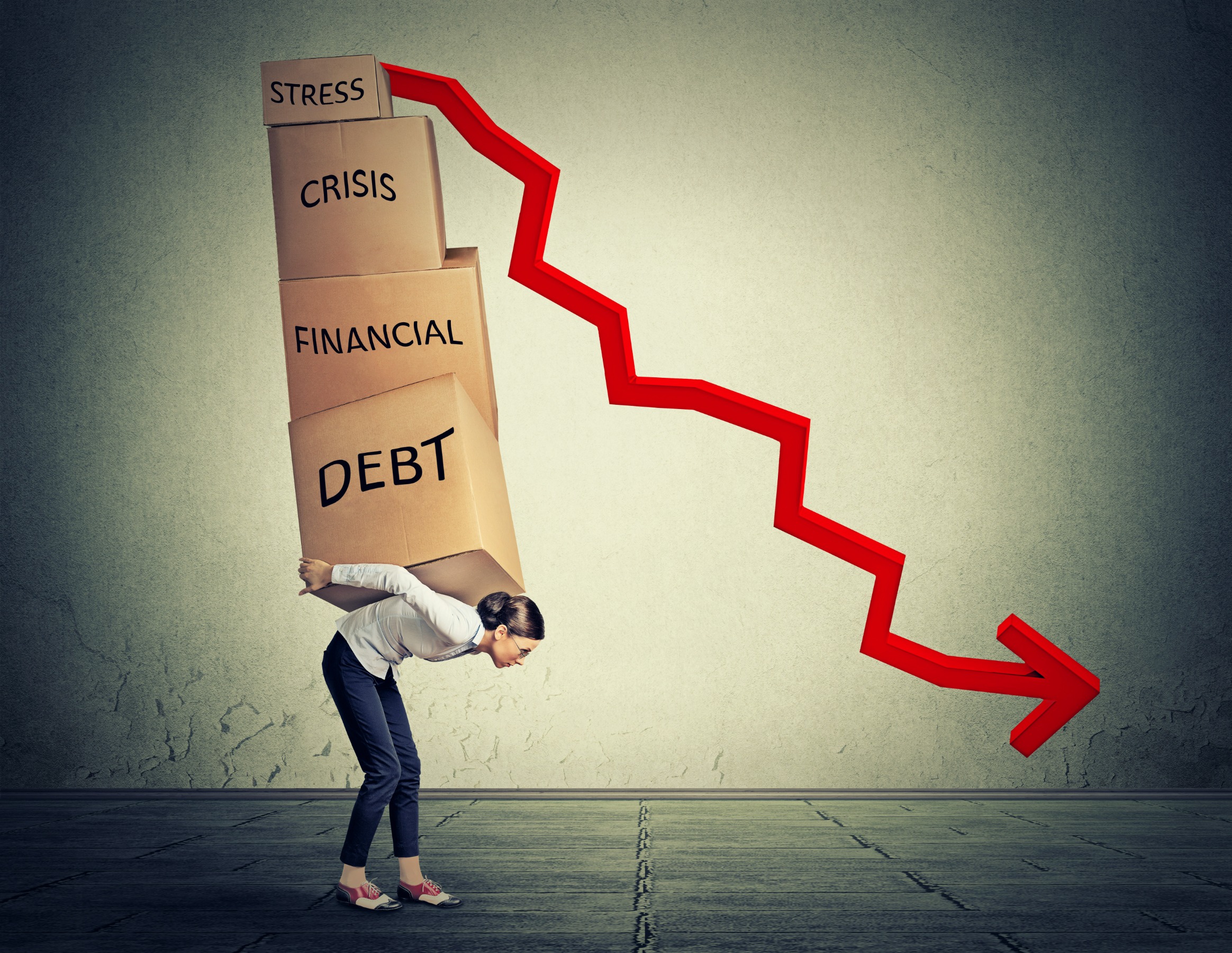
In Debt?

The following is a guest post.

Most of us have debt, but it doesn’t have to be the norm if you rather pay it off.   You can get professional help with debt or tackle the problem yourself.  With some willpower, a plan, and some automation, you can be debt free.

Track Your Income and Expenses

The first step to any money issue is to figure out where your money is being used.  Track your income and expenses for a month or more to find out exactly where your money is going.  This means keeping up with each and every expenditure.  If you start blowing off the small stuff, you won’t have a perfectly clear picture, so write it all down.  By the end of the month, you will have all of the spending information you’ll need to make a plan.

Make a Plan

You can use what you know from tracking your income and expenses to make debt management plans.  The first step is to see if your income is covering all of your spending.  If it is, then you can use your monthly extra towards debt.  If it isn’t, you’ll need to cut your expenses or increase your income.  Can your housing costs be decreased?  Have you called your monthly services to ask for discounts?  Do you have unnecessary expenses that can be cut?

If you decide to increase your income instead, look into a better paying job or a side hustle.  Dog walking, pet sitting, baby sitting, or a part-time job at a local business can usually fit into any schedule.  Take a look at all of your skills and see what you can monetize.

Tackle the Debt

Once your income surpasses your expenses, you can throw the extra towards your debt principal.  If you make a budget to stick to, remember to include a category just for debt payoff.  You can have it automatically applied or at least automatically moved into a different account to keep yourself from breaking your own rules.  We are sometimes our own worst enemies.

If you follow your own plans and keep hitting your debt with any extra you can scrape together, you will soon be celebrating debt freedom!  Good luck

16
Aug

Tips for Buying a Family Home

When you are buying a family home you are no longer just thinking about your own needs – or the needs of your partner – but also a whole hoard of little people, and probably a pet or two as well. Therefore, to help you make sure you are considering the needs of every member of your family when buying a new family home, and that you are able to make the move securely and successfully, follow these 10 steps:

  1. Research and plan your needs for your home and your home loan.
  2. Save for a home loan deposit, around 10-20 per cent of the property price.
  3. Arrange finance including loan pre-approval.
  4. Start looking for your new family home.
  5. Narrow down the market to one ideal property, but don’t get too excited just yet.
  6. Have the necessary building inspections done to inspect the condition of the property.
  7. Complete the formal loan application and obtain full approval.
  8. Complete all legal checks and requirements.
  9. Exchange contracts with the seller and pay your deposit.
  10. Once settlement is finalised you and your family can move in.

To help you with the five main stages of these steps, consider the following information and advice when buying a family home.

1 – What to buy for your family

If you are buying a new family home it is because your old home no longer suits your needs. Therefore, think about all the things you need and want from your new home. For example, do you need a yard for your children and dog to play in, and do you want an outdoor entertaining area so you can have BBQs at home with your family and friends? Also consider whether there are parks and footpaths around your new house if you like to take your family for walks around the neighbourhood, or if your children will want to ride their bikes.

Of course, your new family home doesn’t have to be a house at all, in many major cities families live in small properties such as apartments, townhouses or studios. This is not only more affordable, but can also mean you’re living in a newer home, closer to the city.

However, no matter what type of home you are looking at, make sure that the area and community suit your lifestyle and that you have access to the facilities you need such as schools, transport, shops, recreational facilities and your workplaces.

2 – Where to buy a family home

Whether you buy a new family home in the city, the country or the suburbs will depend on your family’s needs. For example, if it is important that you have a short commute to work you may look for a family home close to the city, but if you want your children to grow up with a country lifestyle and outlook you may look even further from the city, whereas the suburbs are a compromise for families who want to be away from the bustle of the city and enjoy some space, without being too isolated.

Also remember that where you live can affect where your children go to school, as many schools are zoned, and don’t accept students from outside of the zoned area.

It is also important to look at the value of the area and consider whether property prices are rising or falling in the area. Also look at factors which would influence your property’s value such as the proximity to jails, factories, sewerage plants or major construction. Remember that being on a busy road or intersection, or under a flight path can make normal family life even noisier.

Continue reading “Tips for Buying a Family Home” »

11
Jul

How to crank up your credit score

More often than not, we never think of our credit score until it’s time to buy a car or apply for a mortgage.

Since it’s not at the forefront of people’s minds on any given day, it may come as a shock to learn you have a lower credit score than you may have previously estimated.

In a tough economy good credit is essential, so how can you bump up that score to stand a chance with lenders?

First of all, take account of your current situation. Are you paying your bills on time or have you found yourself living paycheck-to-paycheck? If you have struggled to make minimum payments each month, fixing your credit will be more difficult, but not impossible.

Obtain a copy of your credit report and dispute any inaccurate information. If unpaid accounts are present, pay them. You may find a quick call to the company can produce a better resolution.

Some people who have experience financial woes in the past, such as foreclosures or bankruptcy, may consider living a cash-only lifestyle. This will never boost your scores and it will only take longer to recover.

Apply for a low-balance credit card if you don’t already have one, make modest purchases and double up on those minimum payments. It’s even a good idea to use any savings you may have to completely pay off the card’s balance every month.

If you already have one or two credit cards, don’t apply for anymore. You may be tempted to improve your credit score by maintaining low balances on multiple cards, but there’s always the temptation to max out every card. Getting into that situation with several cards will only put more strain on your financial situation.

Create healthier habits. Online bill-pay may be more convenient, but some people lose sight of the amount of money they’re spending in auto-drafted bills. Switch back to mail-in bills and write those checks personally.

On that same note, keep better track of your savings by keeping debit card purchases to a minimum. Swiping plastic is a cinch, but it distracts us as to the amount of money we’re really spending. Write checks when vendors accept them or withdraw cash from the ATM for store purchases.

Never close unused credit card accounts. If you’re trying to improve your credit score, closing accounts always hurts and can even make your score drop.

A better alternative is to cut up unused credit cards or hide them so you won’t be tempted to use them.

It’s especially important to keep old accounts open. The older the account, the more you’ll come across as an established, responsible consumer.

Use savings to pay down high balances. Perhaps you’ve built up savings for a house but still need to apply for a mortgage. Using the savings to pay down credit card balances will make you look better to potential mortgage lenders because your debt-to-income ratio will be much better.

If you’re at a loss as to how to improve your credit, don’t turn to credit repair companies. Many people find they end up spending hundreds of dollars on credit repair services only to end up disheartened, with fewer savings.

When you do need extra help, seek out local non-profit counselling services or schedule a free legal consultation. You can clean up your credit by yourself; it just takes a little extra time and effort.

5
Jul

5 reasons to consider bad credit credit cards

Credit cards have today become a ubiquitous financial tool that can prove to be very useful in certain circumstances. However, there are a number of possible reasons why an individual might face problems or difficulties getting credit from financial institutions that provide credit.

Amongst the main reasons why individuals might be refused credit is poor credit ratings due to bad credit in the past (ratings may be affected by previous failure to repay loans or bills). It may also be due to a lack of credit history as a result of self-employment, part time employment, unemployment, low income, no income, changes in address and even not being on the electoral register.

For anyone encountering credit issues, there are several bad credit credit cards available on offer that may be worth considering.

Designed for people with less than ideal credit scores or a lack of credit histories, these credit cards can prove to be a step in the right direction for those plagued by the lack of or poor credit ratings.

First and foremost, applying for bad credit credit cards can help an individual improve and better his or her credit rating. Every time an individual applies for credit, the credit provider makes checks of the financial history of the applicant, to determine the risk involved in the loan.

Late or missed payments show up on the history and may result in poorer credit rating. Those without established credit history may also be categorized by lenders as being more risky to lend to because of the lack of credit information of financial credibility.

However, establishing a history of diligent, responsible and prompt payments can result positively for an individual’s credit rating. Credit cards can thus help those with bad or no credit histories to get back on track, or to get on the track in the first place.

Following from the above, for those with bad or no credit, credit cards can be a fresh start to establish sound credit history, or to improve bad credit rating.

By using credit cards wisely and responsibly, making prompt payments and keeping within the given credit limit, poor credit ratings can be repaired in a relatively short span of time.

Even with poor or no credit ratings, credit cards can help individuals to make a head start in getting in control of their finances, managing their monies and planning for the future.

With the establishing or the rebuilding and improving of credit ratings through the responsible use of credit cards, individuals previously overwhelmed with bad credit issues can look forward to a better and brighter financial future.

This includes increased possibilities of better interest rates on credit and loans taken in the future, higher limits on credit cards over time and better terms and conditions for refinancing.

A good credit rating will open potential credit applicants up to easier and quicker approval for a wider variety of financial products. Not only does this put an individual in a stronger position to negotiate better terms with the credit provider, it also increases loan options for the individual.

As lender confidence increases with better credit ratings, more options for credit and loans will also be available to the individual. This will come with a higher chance of approval for credit or for taking out loans.

Bettering credit ratings or establishing credit histories notwithstanding, credit cards can be highly useful even for those with poor credit standing. These financial tools can prove to be lifesavers in the events of emergency, where there are expenses incurred that might go beyond what can be afforded just by using savings.

For these unfortunate events, such as repairing damaged property or financing medical procedures, credit cards can prove to be very helpful, as long as the credit is repaid as promptly as possible.

23
Jun

How being rejected for credit can harm your credit rating

Gone are the days when credit was easy to come by. Banks have done a u-turn on the supply of credit since the economic crisis and subsequent recession.

Even if you were always able to get credit easily in the past, you may now find yourself being rejected for no apparent reason.

Unfortunately, it is a vicious circle of rejection and further rejection, for even one rejection weakens your credit score and can lead to more.

Credit scoring can be a mysterious thing and not all lenders adopt the same approach, so it can be difficult to know how to improve it.

If you receive a lot of rejections, then your credit score must be low, or you have a poor credit history. If you have only been rejected once, then you may not just fit those particular lenders’ parameters.

There are a number of things you can do to improve your credit score and get back on track.

One option is to look at applying for bad credit credit cards. These cards are designed for those with a poor credit rating.

If you are someone with a bad credit rating, you will not be considered for the most competitive deals on the market but a bad credit credit card is ideal if you have poor rating or you have little or no credit history to assess.

One of these cards can go a long way to improving your credit rating and in return giving a better chance at securing a more competitive credit card deal in the future.

Bad credit credit cards are essentially a trial run, a chance for you to demonstrate that you can manage credit and debt responsibly.

After all, a credit card can be a very useful thing to have in certain scenarios, for example it is a good idea to make any purchases over $100 on a credit card as this offers you a certain level of protection should anything go wrong.

If the goods you buy are faulty, or the company you purchase from goes bankrupt, your payment is protected, unlike if you had paid cash, or by debit.

They are also very useful for purchasing products on the internet, an increasingly popular way to shop.

These cards do, of course, come with certain drawbacks, as part of their remit is to encourage responsible lending. So naturally the annual percentage rates (APRs) are much higher than on other credit cards on the market.

You will not be able to access any interest free deals on these cards either. By operating strictly within the rules of these cards, that is paying them off every month in full so you do not incur interest, you can work towards improving your credit rating.

It is also a good way to build up a good credit history from scratch. Another point to remember is that payment protection insurance is costly and if you feel you might need it, then check out some stand alone providers first as they often offer better value.

3
May

Debt consolidation: The Pros and Cons

If you have outstanding debt on more than one credit line, for example loans, overdrafts and credit cards, then it can be a struggle to keep up with all of the monthly repayments, not least because you have to keep up with different bills coming in at different times.

That is why many people turn to debt consolidation loans as having the debt in one place makes it easier to manage. In addition, the monthly repayments can often work out to be cheaper.

There are a number of ways that you can consolidate your debts, for example through loans or remortgages, and each have their own advantages and disadvantages.

Continue reading “Debt consolidation: The Pros and Cons” »