


It’s the small routines and habits that often pave the way for larger transformations. These seemingly minor adjustments to our daily lives can significantly impact our mental, physical, and emotional well-being, leading to a more balanced, productive, and joyful existence.
Here’s a closer look at 20 small routines and habits that can make our lives a million times better when incorporated into our daily lives.
Dry Brushing Legs Before Showering

Dry brushing is a simple yet effective routine for maintaining soft and smooth skin. Before stepping into the shower, gently brush your legs in upward motions. This not only exfoliates dead skin cells but also stimulates blood circulation and lymphatic drainage, contributing to healthier skin and a more vibrant appearance.
Deleting Shopping Apps

In an era of digital temptation, deleting shopping apps from your phone can significantly reduce impulse buying. This habit helps focus on needs rather than wants, making space for financial freedom and mindful spending.
Unsubscribing From Retail Emails

Unsubscribing from retail emails is a quick fix for reducing temptation and clutter in your inbox. It helps curb impulse purchases, keep your budget in check, and focus your attention on emails that truly matter.
30-Day Shopping Rule

Use wish lists. Implementing a 30-day shopping rule can drastically reduce trend shopping or impulse buying. By waiting thirty days before making a purchase, you give yourself time to consider whether you truly need the item or if it was just a fleeting desire.
30-Minute Walk Each Day With No Electronics

Taking a 30-minute walk without electronics allows you to connect with your surroundings, clear your mind, and improve your physical health. This simple habit can boost mood, increase creativity, and reduce stress.
Quick Cleanup Before Bed Each Night

A quick cleanup before bed can significantly impact your stress levels and productivity. By tidying up, you’re creating a peaceful environment for a good night’s sleep and ensuring a fresh start for the next day.
Outfit and Food Prep for the Next Day

Preparing your outfit and food for the next day can save time and reduce morning stress. This habit ensures a smooth start to your day, allowing you to focus on more critical tasks.
Update Calendar/Appointments

Regularly updating your calendar or appointments keeps you organized and prevents last-minute scrambles. It’s a simple practice that keeps your schedule manageable and your mind at ease.
Keeping a Water Bottle Within Reach to Stay Hydrated

Staying hydrated is vital to maintaining good health. Keeping a water bottle within reach encourages regular water intake, improves skin health, aids in weight loss, and enhances cognitive functions.
Keeping Fruit and Nuts Stocked

Stocking up on healthy snacks like fruit and nuts ensures you have nutritious options readily available. This habit supports healthy eating patterns and prevents you from reaching for less healthy snacks.
Making the Bed Each Day

Making your bed is a simple task that can instantly boost your productivity and mood. It sets a positive tone for the day and creates a calming environment in your bedroom.
Use Timers to Work Through Chores

Setting timers for chores can help you stay focused and efficient, turning overwhelming tasks into manageable segments. This practice can make housework feel less daunting and more productive.
Declutter One Cabinet or Closet Each Month

Decluttering a cabinet or closet each month helps maintain a tidy and organized home. This habit reduces clutter-related stress and makes finding and enjoying your belongings easier.
Start the Day With Meditation and Affirmations
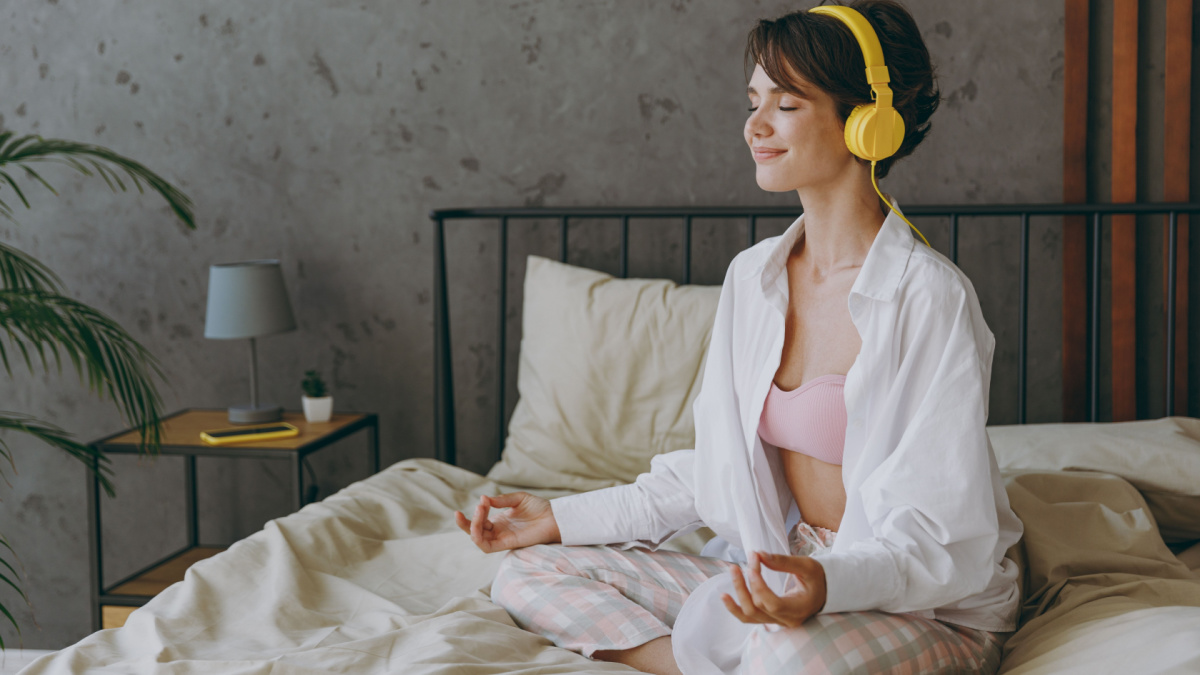
Beginning your day with meditation and affirmations can set a positive and calm tone for the day ahead. This practice reduces stress, enhances self-awareness, and fosters a positive mindset.
Journal for a Few Minutes Every Night

Journaling for a few minutes each night is a powerful way to reflect on your day, process emotions, and plan for the future. This habit can improve mental clarity, reduce stress, and enhance problem-solving skills.
Use a Shopping List App

Using a shopping list app can streamline your grocery shopping, ensuring you buy only what you need. This habit helps avoid impulse purchases, save money, and reduce food waste.
Shut off All App Notifications

Turning off app notifications can significantly reduce distractions and improve focus. This habit allows you to reclaim time and attention, leading to higher productivity and a more peaceful mind.
Breathing Exercises

Incorporating breathing exercises into your daily routine can significantly reduce stress and improve your overall well-being. This practice promotes relaxation, improves focus, and helps regulate emotions.
Yoga
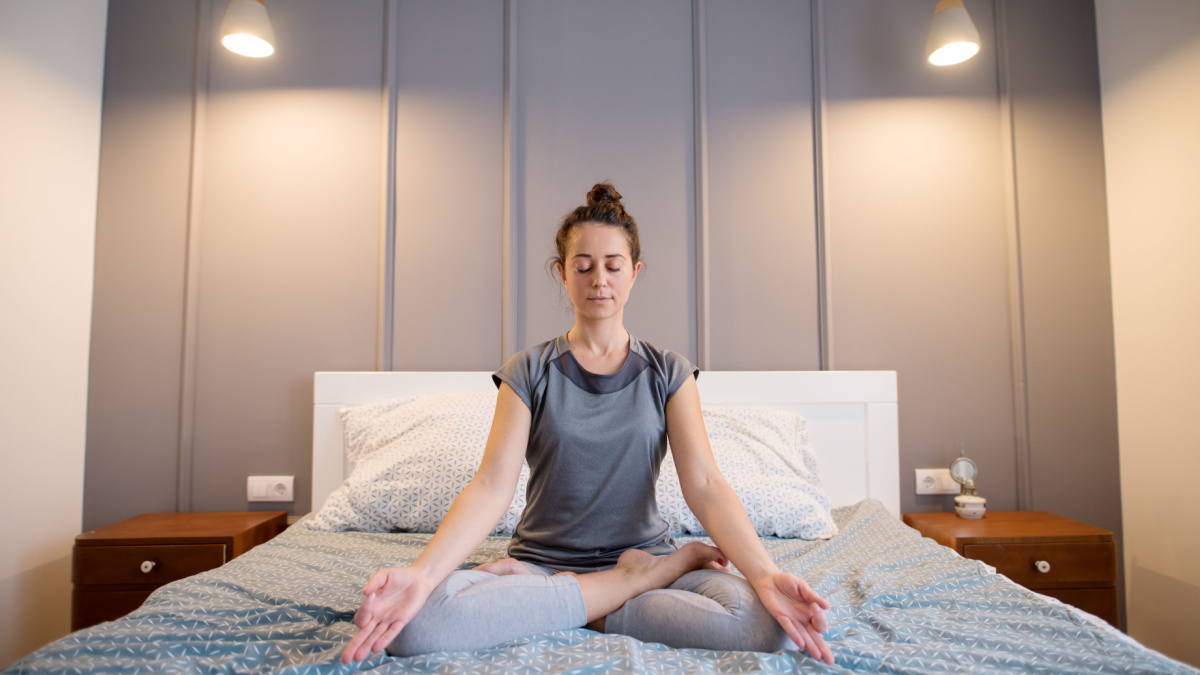
Practicing yoga regularly offers a multitude of benefits, including improved flexibility, strength, and mental clarity. It’s a holistic approach to physical and mental health, fostering a sense of inner peace and balance.
Plan the Week on Sundays

Taking time on Sundays to plan your week can help you organize your tasks, set priorities, and reduce stress. This habit ensures a productive and balanced week ahead, allowing you to allocate time for work, rest, and leisure effectively.
15 Conspiracy Theories That Turned Out To Be True

With the amount of information and misinformation available, the line between fact and fiction often blurs, giving rise to conspiracy theories. While many such theories are quickly debunked, a select few have, shockingly, proven to be true.
Here, we share 15 instances where once-dismissed conspiracies were validated, uncovering unsettling truths that challenge our perception of history, governance, and societal institutions.
15 Conspiracy Theories That Turned Out To Be True
15 Things That Have Been Normalized That Shouldn’t Be Normal

It’s pretty hard to define normal, but you know it when you see it. When something has been normalized, it isn’t shocking.
It’s something commonplace that we all get used to. However, maybe some of these things should never have become normal in the first place.
15 Things That Have Been Normalized That Shouldn’t Be Normal
The 5 Most Dangerous Cities in the U.S.

We all want to be safe, and living in a city that is high with crime is not usually what people look for when they look for a place to live. Tracking crime statistics and safety is a complicated measure, but the FBI does its best to track different crime rates in most cities and states in the U.S.
You may be surprised to learn which cities made the list of the most dangerous cities. We often associate crime with large cities, such as New York, Chicago, and L.A., but those cities did not make it to the top five.
The 5 Most Dangerous Cities in the U.S.
12 Things That Were Socially Acceptable 25 Years Ago, but Are Frowned Upon Today

Over the past 25 years, society has seen significant changes in what it considers acceptable behavior. What was once deemed perfectly fine in the past is now often met with disapproval. As cultural norms and values continue to evolve, it’s essential to reflect on these changes and how they shape our daily lives.
12 Things That Were Socially Acceptable 25 Years Ago, but Are Frowned Upon Today
15 Behaviors That Are a Dead Giveaways Someone Grew up Poor

Many people who grew up poor don’t exactly want to display this information for the world to see. However, it can come out in a wide range of behaviors that make it obvious that the person grew up lower class or in poverty.
Many people have habits that they picked up during those years that they haven’t let go of yet.