


With all the cautionary tales and sensationalized headlines around us, it’s easy to develop irrational fears about everyday activities and objects. We often hear exaggerated warnings that make us believe certain things are hazardous when, in reality, they’re pretty safe.
Here, we debunk some common misconceptions and explore 15 safe things despite the unwarranted fear surrounding them.
1. Trick-Or-Treating

Parents worry about tampered candy and stranger danger. Incidents of candy tampering are extremely rare, and most neighborhoods are close-knit communities where people look out for one another.
2. Radiation in Everyday Products and Appliances

The word “radiation” sounds scary, but most household appliances emit non-ionizing radiation, which is harmless. These emissions are well within safety limits, and the benefits of modern technology far outweigh any potential risks.
3. MSG (Monosodium Glutamate)
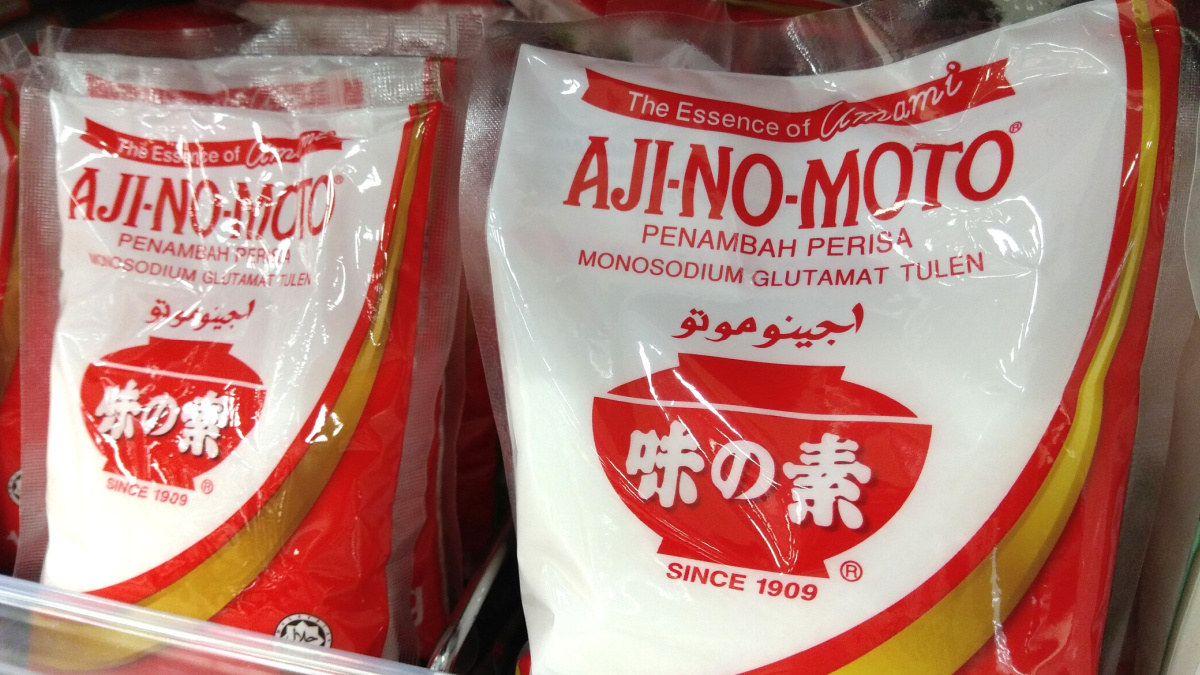
MSG has been unfairly associated with “Chinese Restaurant Syndrome,” but scientific studies have not confirmed this. MSG is a common food additive found in many processed foods and has been deemed safe by numerous health organizations.
4. Swimming After Eating

The myth suggests that swimming after eating can lead to cramps and drowning. Digestion doesn’t significantly affect your ability to swim, and cramps from eating are rare.
5. Traveling by Plane

Plane crashes are heavily publicized, fueling a fear of flying. Statistically, flying is one of the safest modes of transportation, with strict safety regulations in place.
6. Nuclear Power
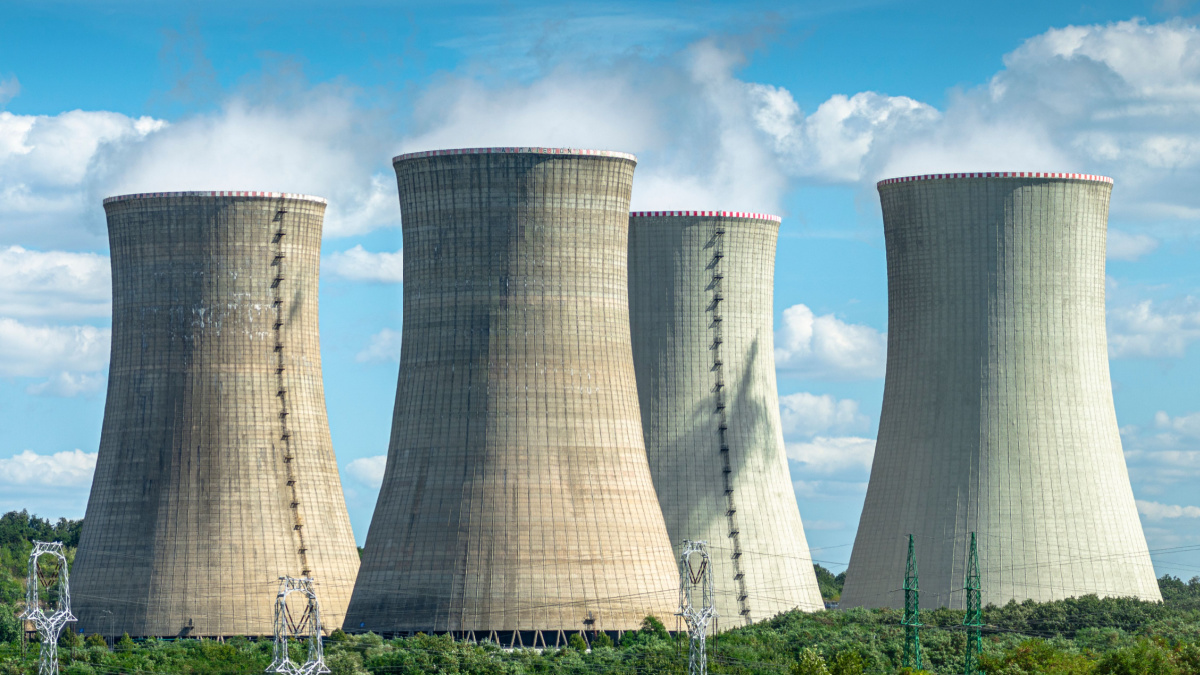
The Chornobyl and Fukushima disasters created a perception of nuclear power as highly risky. Modern nuclear plants are designed with advanced safety features and undergo rigorous safety inspections.
7. Sharks

Movies like “Jaws” have portrayed sharks as relentless killers. Shark attacks are extremely rare, and most species are not interested in humans as prey.
8. Toads
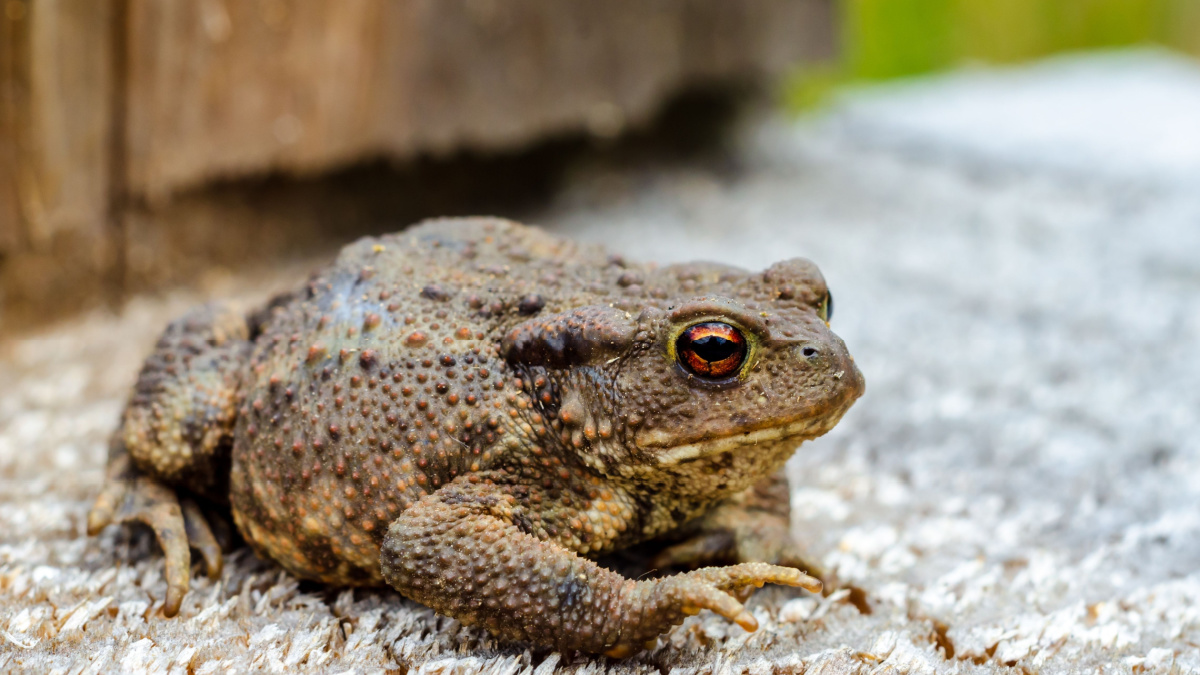
Some toads secrete toxins when threatened. In most cases, toad toxins are only dangerous if ingested or if you have open wounds.
9. Visiting Australia

The beautiful place down under is known for its deadly wildlife. While Australia does have unique wildlife, the vast majority of tourists have safe and enjoyable visits.
10. Vaccines

Vaccine misinformation and misconceptions about side effects have made vaccines seem dangerous. Vaccines have saved countless lives and undergo rigorous testing for safety.
11. Kids Playing Independently Outdoors

Fear of accidents and stranger danger have led many parents to consider this dangerous. Allowing children to play independently fosters independence and resilience, and the likelihood of stranger danger is low.
12. GMO Foods

Many people have concerns about the unknown long-term effects of GMOs. But they undergo rigorous testing, and there’s no scientific evidence that they pose health risks.
13. 5G Technology
Unfounded conspiracy theories about the health effects of 5G have led to people believing it’s dangerous. However, 5G technology operates within established safety limits and is extensively researched.
14. Getting Anesthesia

Anesthesia complications are possible but very rare. Anesthesia is administered by trained professionals who closely monitor patients throughout the procedure.
15. Big Cities

Crime rates and crowded spaces can be intimidating when visiting and living in a big city. But most have lower crime rates than you might think, and they offer numerous opportunities for personal and professional growth.
11 Widely Accepted Historical Facts That Are 100% False

History is like a grand tapestry woven with stories and events passed down through generations. Yet, as time goes by, some of the threads in this tapestry begin to fray and unravel. It turns out that not everything we think we know about the past is as accurate as it seems.
11 Widely Accepted Historical Facts That Are 100% False
15 Great Examples of “Just Because It’s Popular Doesn’t Mean It’s Good”

Just because something’s popular doesn’t mean it’s good, fun, or valuable. We often scratch our heads over popular things and wonder what all the fuss is about. Following are several popular things that a lot of people just don’t see that much appeal to.
15 Great Examples of “Just Because It’s Popular Doesn’t Mean It’s Good”
15 of the Worst Pieces of Advice You’ll Ever Receive in Your Life

Most advice we receive is well intended, but it’s astonishing how bad some of it is. Some of it comes from outdated views of the world, and some comes from sheer ignorance.
Whatever the basis, it’s advice you’re better off ignoring and making sure you never pass on. Read on for some examples of stunningly bad advice!
15 of the Worst Pieces of Advice You’ll Ever Receive in Your Life
15 of the the World’s Greatest Lies

There’s a lot of misinformation out there. Information is often wielded as a weapon and used against the public. Some lies are so colossal that they’re practically universal in our society.
15 of the World’s Greatest Lies