


We live in a time where innovation and tradition clash. We’re surrounded by concepts, practices, and products that could be better left behind despite their widespread acceptance and use.
From systemic structures to everyday items, we dive into 20 such phenomena that, while many see them as beneficial or necessary, may have more cons than pros.
1. GoFundMe for Healthcare
The emergence of crowdfunding platforms like GoFundMe for healthcare expenses highlights a glaring flaw in our healthcare system rather than serving as a heartwarming testament to human generosity.
While they can provide a lifeline for those in dire need, their necessity underscores a fundamental problem: access to healthcare should be a right, not a privilege, dependent on the ability to campaign for online donations. Also, the prevalence of scams and fraudulent campaigns only adds insult to injury, exploiting the goodwill of others.
2. Unpaid Positions

Unpaid internships and entry-level positions exploit eager college students and graduates under the guise of offering valuable experience. This practice devalues young professionals’ labor and perpetuates inequality, as only those who can afford to work for free can take advantage of these opportunities.
Such positions should be abolished in favor of fair compensation for all workers, ensuring equal opportunities for career development regardless of one’s financial background.
3. Sick Leave Limits

The policy of limiting sick leave and preventing it from rolling over annually is not just inhumane; it’s counterproductive. It pressures employees to work while ill, risking their health and that of their colleagues. A more compassionate and sensible approach would allow workers to accumulate sick leave, promoting a healthier workforce and a more productive work environment.
4. Single-Use Plastics
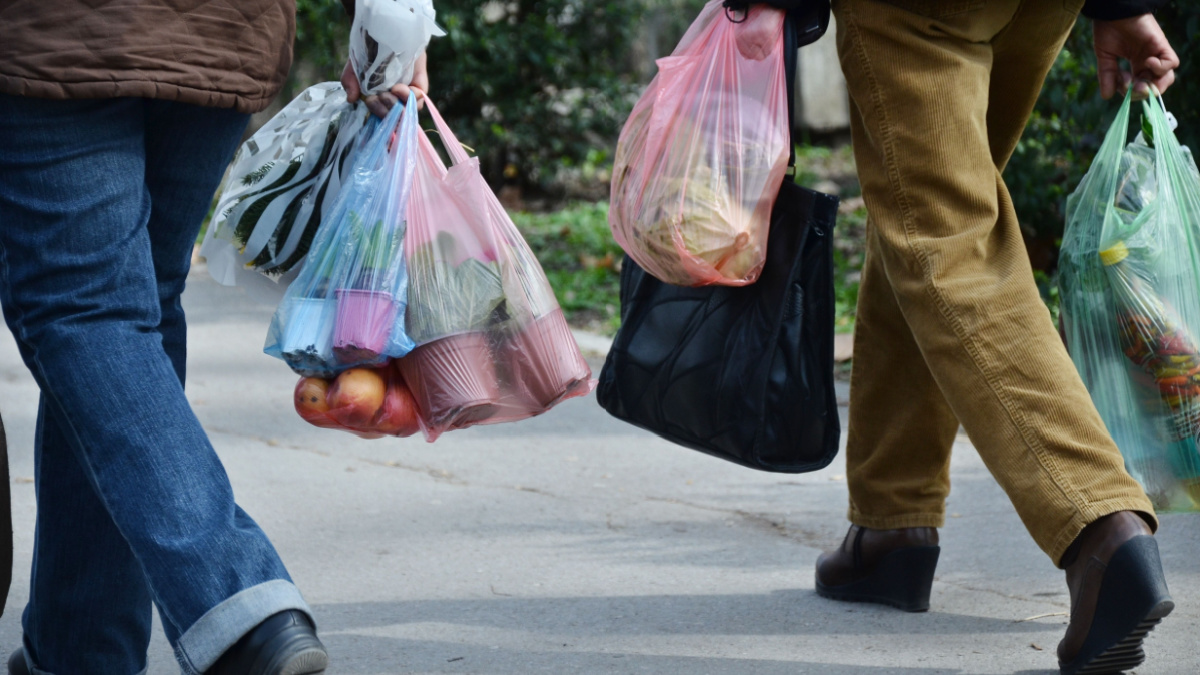
Despite their convenience, single-use plastics are a scourge on the environment, contributing to pollution and wildlife endangerment. Alternatives exist that can significantly reduce our ecological footprint, making single-use plastics both unnecessary and harmful.
5. Specially Engineered Dog Breeds

The trend of breeding dogs to meet specific aesthetic standards often compromises the animals’ health and well-being. Breeds like the pug and bulldog suffer from chronic respiratory problems, among other health issues, due to their physical characteristics. Prioritizing the health and happiness of pets over superficial traits is a more humane approach.
6. Tipping

Tipping as a practice puts the onus on customers to ensure service workers are paid adequately rather than on employers. This system can lead to inconsistent incomes for workers and a culture of guilt and obligation for consumers. A fair wage model would be a more equitable solution, where employers are responsible for paying their employees a livable salary.
7. Two-Party Political System
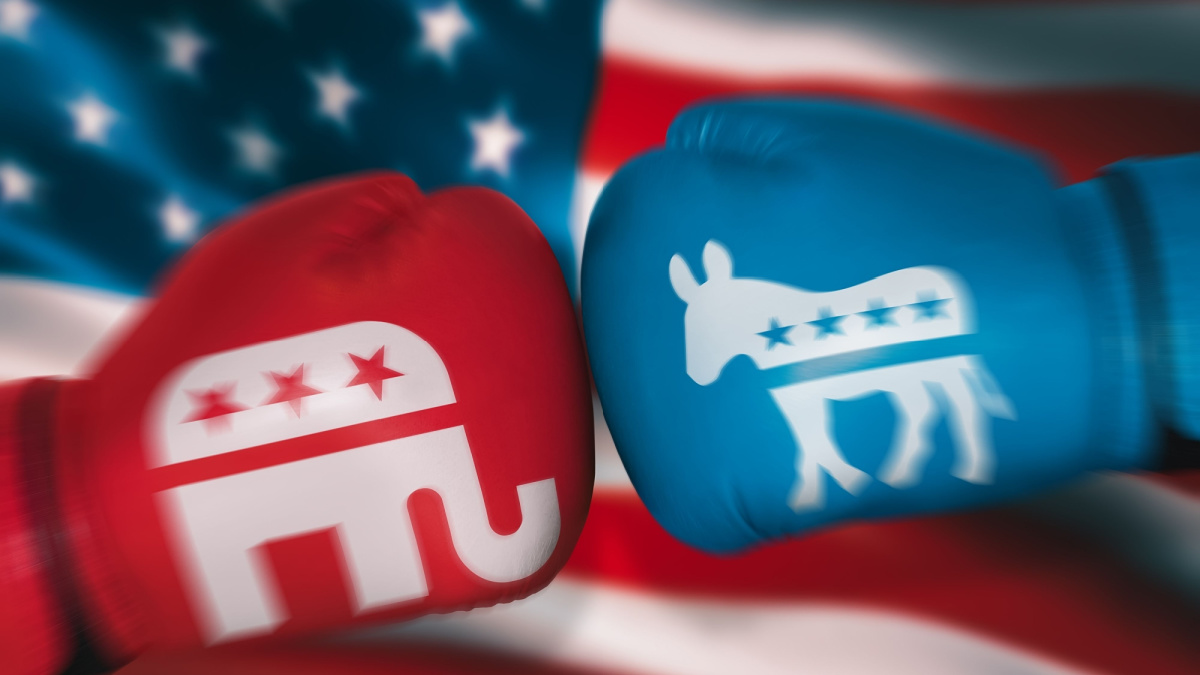
The dominance of a two-party political system stifles diversity of thought and representation. It often reduces complex issues to an oversimplified binary choice, leaving many citizens feeling unrepresented and disillusioned with the political process. A more inclusive system encouraging multiple parties could lead to a healthier democracy.
8. Social Media and Influencers

While social media has the potential to connect and inform, it also perpetuates unrealistic standards, misinformation, and a culture of instant gratification. The influencer phenomenon, in particular, often emphasizes superficial values over substance, contributing to a range of mental health issues among users.
9. Champagne

Champagne, often associated with luxury and celebration, symbolizes a culture of excess and elitism. While enjoying fine things in life is not inherently wrong, glorifying such expensive tastes can perpetuate social divisions and an unhealthy focus on material wealth.
10. Credit

While intended to facilitate financial flexibility and opportunity, the credit system often traps people in debt and financial insecurity cycles. Its complexity and the penalties for mismanagement can disproportionately affect those less financially literate, worsening economic inequality.
11. Refined Sugar

Refined sugar, ubiquitous in food and drinks, contributes significantly to global health issues like obesity, diabetes, and heart disease. Its addictive properties and the way it’s marketed and consumed call for a reevaluation of its role in our diets.
12. Health Insurance

The necessity for health insurance to access affordable healthcare services speaks to a broader issue within the healthcare industry. Rather than a patchwork of insurance policies, a more humane approach would ensure healthcare affordability and accessibility for all without intermediaries.
13. The 24-Hour News Cycle

The constant bombardment of news, much of it negative or sensationalized, contributes to public anxiety and desensitization to critical issues. A more measured approach to news consumption and reporting could foster a better-informed and less anxious society.
14. The 40-Hour Work Week

The standard 40-hour work week, a relic of industrial age norms, does not necessarily fit modern productivity patterns or work-life balance needs. Exploring flexible work arrangements could lead to happier, more productive workers and a more dynamic economy.
15. Organized Religion

While providing community and comfort to many, organized religion has also been a source of division, conflict, and suppression throughout history. A move towards more personal, inclusive spiritual practices could foster greater understanding and peace.
16. Cigarettes and Vapes

The health risks associated with smoking cigarettes and, more recently, vaping are well-documented. Yet, these products remain legal and widely used, thanks to aggressive marketing and lobbying efforts. Public health would benefit from their phased elimination.
17. The Lottery, Gambling Casinos, and Racetracks

While often glamorized as avenues to quick fortune, gambling institutions typically exploit hopes and dreams for profit, contributing to addiction and financial ruin for many. A society encouraging wealth through innovation and hard work rather than chance would be more equitable and prosperous.
18. Payday Loans

Payday loans prey on the financially vulnerable, offering immediate relief at the cost of exorbitant interest rates that can lead to a cycle of debt. More ethical financial services and support systems are needed to help those in immediate financial distress.
19. Porn

The pornography industry, with its issues of consent, exploitation, and unrealistic portrayals of sex, contributes to distorted sexual expectations and behaviors. A more comprehensive approach to sex education, emphasizing respect, consent, and realistic expectations, could mitigate some of these negative impacts.
20. Dating Apps
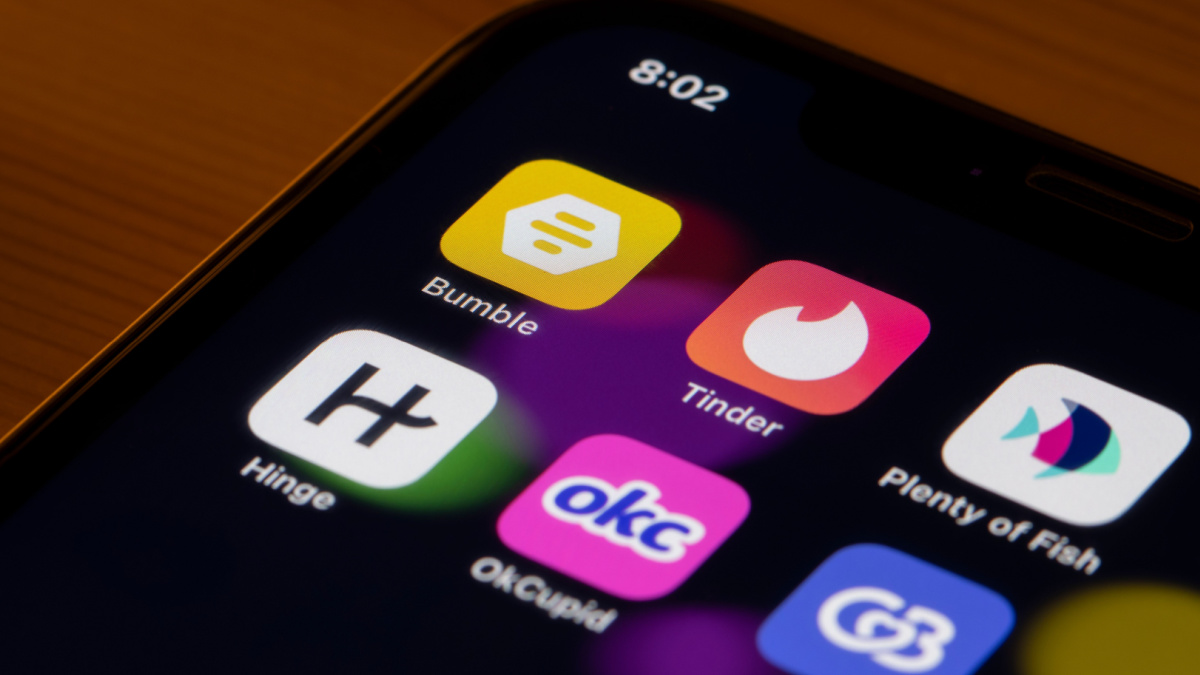
While intended to make finding love or companionship easier, dating apps can promote superficiality, commodification of relationships, and a paradox of choice that leaves users dissatisfied and lonely. Fostering connections through more organic social interactions may lead to more meaningful relationships.
11 Widely Accepted Historical Facts That Are 100% False

History is like a grand tapestry woven with stories and events passed down through generations. Yet, as time goes by, some of the threads in this tapestry begin to fray and unravel. It turns out that not everything we think we know about the past is as accurate as it seems.
11 Widely Accepted Historical Facts That Are 100% False
15 Great Examples of “Just Because It’s Popular Doesn’t Mean It’s Good”

Just because something’s popular doesn’t mean it’s good, fun, or valuable. We often scratch our heads over popular things and wonder what all the fuss is about. Following are several popular things that a lot of people just don’t see that much appeal to.
15 Great Examples of “Just Because It’s Popular Doesn’t Mean It’s Good”
15 of the Worst Pieces of Advice You’ll Ever Receive in Your Life

Most advice we receive is well intended, but it’s astonishing how bad some of it is. Some of it comes from outdated views of the world, and some comes from sheer ignorance.
Whatever the basis, it’s advice you’re better off ignoring and making sure you never pass on. Read on for some examples of stunningly bad advice!
15 of the Worst Pieces of Advice You’ll Ever Receive in Your Life
15 of the the World’s Greatest Lies

There’s a lot of misinformation out there. Information is often wielded as a weapon and used against the public. Some lies are so colossal that they’re practically universal in our society.
15 of the World’s Greatest Lies
3 Outdated and Overdone Bathroom Design Trends That Are No Longer Trending

One could say that bathrooms are equal parts utility and sanctuary. Essentially, they’re the place where you can light a candle and wind down from a long day, but at the same time, it’s the exact spot where most of your grooming and getting ready for your day (or bed) happens. In terms of aesthetics, we do want our bathrooms to feel welcoming and serene, but, at the same time, they need to be functional.
3 Outdated and Overdone Bathroom Design Trends That Are No Longer Trending