


When navigating conversations with children, it’s best to avoid certain questions that, despite seeming harmless, can have unintended impacts.
Here’s a more nuanced look at 12 questions that might be best left unasked.
1. Curiosity About Relationships
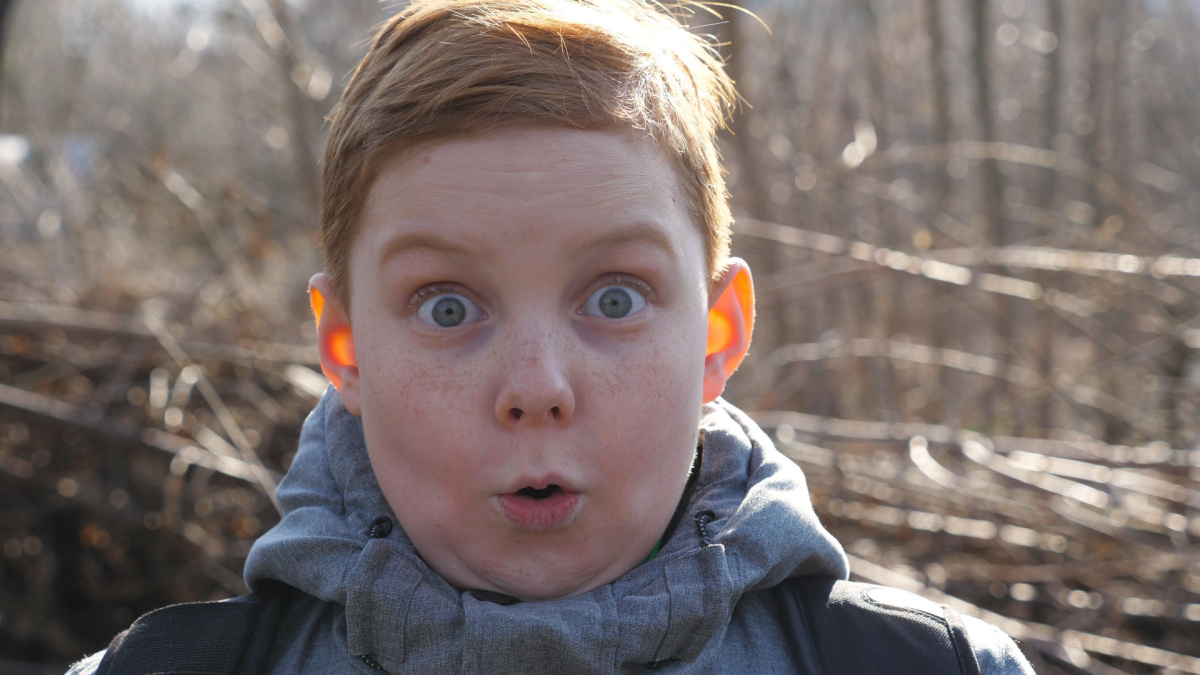
Sometimes, adults ask kids about their romantic lives, assuming they should already be interested in dating. This can make children feel awkward or pressured to engage in relationships before they’re emotionally ready.
2. Food Commentary

Commenting on a child’s eating habits or portion sizes can lead to self-consciousness about their body and eating disorders. It suggests there’s a right or wrong way to eat, which can harm their relationship with food.
3. Physical Affection

Pressuring a child to show affection, especially in public settings, can teach them their boundaries aren’t respected. It’s important to allow children to express affection in ways that feel comfortable to them.
4. Friendship Dynamics

When adults imply that friendships between boys and girls must be romantic, it can confuse children about the nature of platonic relationships. It reinforces unnecessary stereotypes about male and female interactions.
5. “Gendered” Toy Preferences
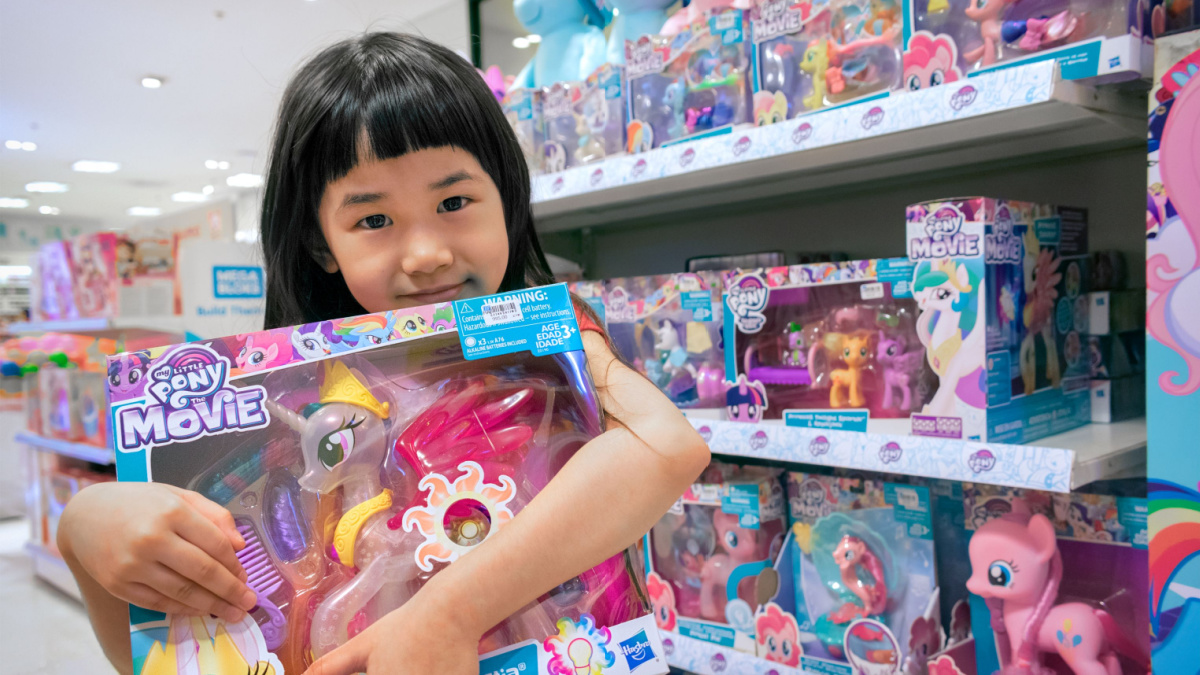
Critiquing a child’s toy choice based on gender can discourage them from exploring their full range of interests. It perpetuates the idea that activities and preferences are gender-specific.
6. Future Responsibilities

Asking children about taking care of family members in the future can burden them with adult worries. It’s essential to keep adult concerns separate from childhood, allowing them to enjoy being young without undue stress.
7. Communication Roles

Using children as messengers in adult conflicts places an unfair emotional burden on them. It can make them feel responsible for resolving issues that are beyond their control.
8. Emotional Expression

Commenting on a teenager’s emotional state, especially by attributing it to hormonal changes, invalidates their feelings. Everyone deserves to have their emotions respected, regardless of their age.
9. Opinion Validation

Disregarding a child’s viewpoint unless it aligns with an adult’s can stifle their confidence in expressing themselves. Encouraging kids to share their thoughts and opinions fosters a sense of self-worth and independence.
10. Comparisons Among Siblings

Making comparisons between siblings can create feelings of inadequacy and rivalry. Each child is unique, and highlighting their differences positively without comparison encourages a healthier self-image.
11. Expression of Emotions

Telling a child they should smile more can make them feel their true feelings aren’t valid. Children should feel free to express a range of emotions without being told how they should appear outwardly.
12. Career Questions

Asking kids what they want to be when they grow up can be overwhelming and create anxiety about the future. It’s more beneficial to encourage them to explore a variety of interests without the pressure of deciding on a future career.
15 Great Examples of “Just Because It’s Popular Doesn’t Mean It’s Good”

Just because something’s popular doesn’t mean it’s good, fun, or valuable. We often scratch our heads over popular things and wonder what all the fuss is about. Following are several popular things that a lot of people just don’t see that much appeal to.
15 Great Examples of “Just Because It’s Popular Doesn’t Mean It’s Good”
15 of the Worst Pieces of Advice You’ll Ever Receive in Your Life

Most advice we receive is well intended, but it’s astonishing how bad some of it is. Some of it comes from outdated views of the world, and some comes from sheer ignorance.
Whatever the basis, it’s advice you’re better off ignoring and making sure you never pass on. Read on for some examples of stunningly bad advice!
15 of the Worst Pieces of Advice You’ll Ever Receive in Your Life
15 of the the World’s Greatest Lies

There’s a lot of misinformation out there. Information is often wielded as a weapon and used against the public. Some lies are so colossal that they’re practically universal in our society.
15 of the World’s Greatest Lies
11 Widely Accepted Historical Facts That Are 100% False

History is like a grand tapestry woven with stories and events passed down through generations. Yet, as time goes by, some of the threads in this tapestry begin to fray and unravel. It turns out that not everything we think we know about the past is as accurate as it seems.
11 Widely Accepted Historical Facts That Are 100% False
15 Home Trends That We Wish Were Already Over

The home design trends that are so popular today will be out of style tomorrow. The “in” styles usually start at the designer level before trickling down to the public. It’s helpful to look ahead at the next trends when having work done for your home. What’s in today among the public may already be on its way out and no longer be used by designers.