


We’ll be having the same generational debates for years. From millennials being tagged as the “snowflake” generation to being criticized for their parenting styles, there’s no shortage of myths surrounding this demographic.
But what if we told you that some of these myths, exaggerated though they may be, hold a grain of truth that even millennials would acknowledge? Here’s a look at 20 generational myths about millennials that walk the line between stereotype and self-recognition.
1. Peg Themselves and Others With Disorders and Conditions

Millennials are known for diagnosing themselves and others with various disorders and conditions. While this trend might stem from a greater societal acceptance and understanding of mental health issues, it’s also led to a culture of self-diagnosis that bypasses professional evaluation.
This eagerness to label can sometimes undermine the seriousness of these conditions.
2. They Don’t Let Their Children Experience Boredom

Screens are omnipresent, and many millennials are reluctant to let their children experience boredom, filling their schedules with activities and digital entertainment. While this might stem from a desire to provide stimulating environments, it can also hinder children’s ability to entertain themselves and develop creativity.
3. They Are Non-confrontational

Millennials often prefer communication through digital means, which can lead to a perceived avoidance of face-to-face confrontation. While this might enhance convenience, it also raises questions about handling direct conflict and developing resilience in challenging situations.
4. Electronics Addicted

It’s no secret that millennials grew up alongside the digital revolution, making them more inclined towards electronic gadgets. This dependence on technology for entertainment, communication, and information has often been criticized as an addiction, impacting their ability to engage with the physical world.
5. They Claim and Cling to Trauma

With a greater openness towards discussing mental health, some argue that millennials can be quick to claim and cling to trauma, using it as a lens through which they view their lives. While it’s vital to acknowledge and address trauma, there’s a fine line between understanding its impact and allowing it to define one’s identity.
6. They Don’t Want to Put in the Grunt Work

Pursuing meaningful and fulfilling work is a hallmark of the millennial generation. However, this has been misconstrued as a reluctance to engage in entry-level or menial tasks. In truth, many millennials are willing to work hard, provided they see a path towards their goals.
7. Easily Provides Access and Data for Convenience

Millennials value convenience and are often willing to exchange personal data, trusting in technology to simplify their lives. This openness has sparked debates on privacy and the ethical use of data.
8. Helicopter Parenting

Some millennials have adopted a hands-on approach to parenting, closely monitoring and involving themselves in their children’s lives. While this is often done out of care, it can be seen as overbearing and limiting for the child’s independence.
9. They Feel Entitled

The myth of the entitled millennial who expects rewards without effort is widespread. However, this overlooks the challenges and economic instability many in this generation have faced, driving their desire for job security and a work-life balance.
10. They Blame Their Parents for Everything

While millennials are known for their introspective and often critical view of societal norms, this is sometimes expressed as blaming previous generations for current issues. This perspective can overlook the complexities of societal change and the contributions of those generations.
11. Flawed Themselves, They Expect Perfection in Others

Social media has amplified the pressure to present a curated, flawless life version. This has led to a paradox where millennials, aware of their imperfections, might still hold unrealistic expectations for others, fueling a cycle of dissatisfaction.
12. They Film Their Food for the Gram

The trend of photographing and sharing every meal on social media has become synonymous with millennial dining habits. While celebrating culinary exploration, it also focuses on appearance and external validation.
13. It’s Where the Social Media Obsession Started
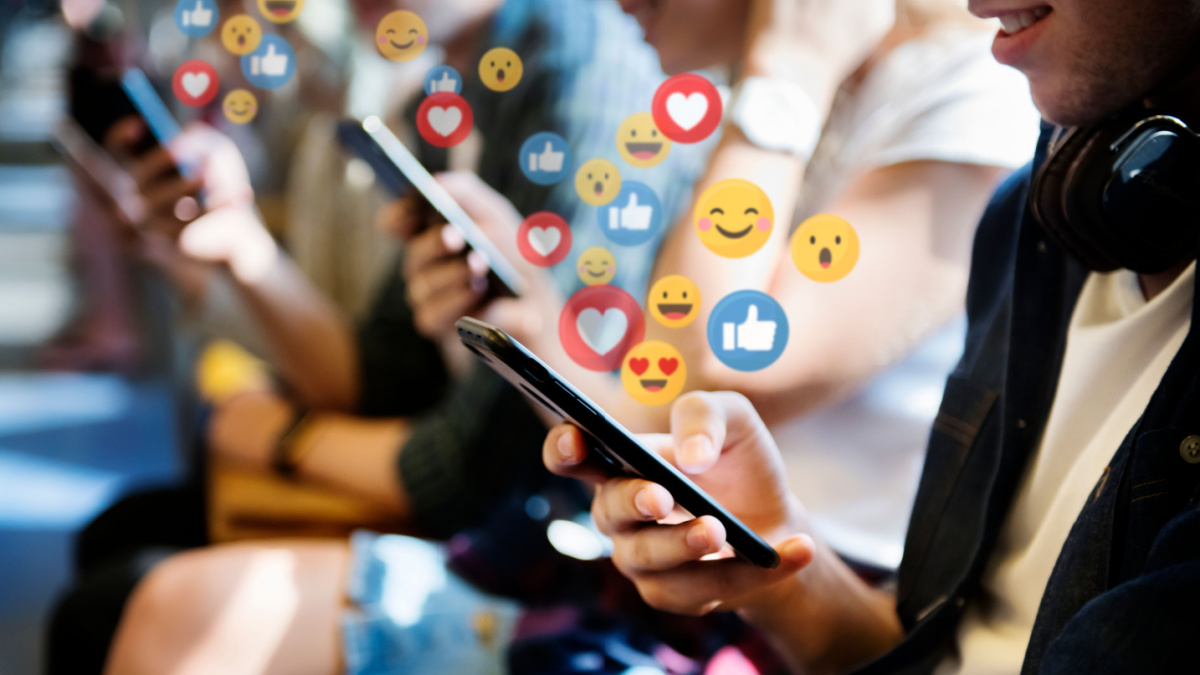
Millennials were the pioneers of many social media platforms, integrating them into daily life in a way unseen in previous generations. This obsession has shaped communication, entertainment, and even self-esteem.
14. They Don’t Accept Criticism Well

Raised with an emphasis on positive reinforcement, some millennials may find it challenging to accept criticism, viewing it as a personal attack rather than constructive feedback. This can hinder personal and professional growth.
15. Unable to Make Real Connections

The digital age has transformed how millennials form relationships, with online dating and social media playing significant roles. While these tools offer new ways to connect, they also raise concerns about the depth and authenticity of these connections.
16. They Are Easily Pulled Into MLM’s

The allure of entrepreneurial freedom and flexible work schedules has made some millennials susceptible to multi-level marketing schemes. Despite widespread criticism, the promise of easy success and community belonging continues to attract.
17. They Find Value in Being a Victim

In a culture that increasingly acknowledges various forms of injustice, there’s a perception that some millennials may adopt a victim mentality, focusing more on grievances than solutions. While recognizing victimhood is crucial, so is fostering resilience and agency.
18. They Give Their Kids the Oddest Names

Pursuing uniqueness, some millennials choose unconventional names for their children. This creativity in naming reflects a broader desire for individuality and distinction.
19. They Have Gone Over the Top With Kids’ Birthday Parties

Celebrating milestones has taken on new heights with elaborate themes, activities, and decorations. While these celebrations can create joyous memories, they also reflect the pressures of social media and comparison.
20. They Brought on the Gender Reveals

Gender reveal parties, which have grown in popularity and sometimes controversy, are often associated with millennials’ desire for creative expression and celebration. While these events celebrate new life, they’ve also sparked discussions about gender norms and safety.
19 Cultural and Behavioral Differences Between Gen Z and Millennials

Each generation brings its unique set of cultural and behavioral differences. Gen Z and millennials, two distinct generations, have grown up in contrasting times, shaping their values, preferences, and attitudes.
Here are 19 key differences between Gen Z and millennials:
19 Cultural and Behavioral Differences Between Gen Z and Millennials
15 Common Boomer Opinions Non-Boomers Actually Agree With

Boomers often get a rap for being old cranks with outdated views and opinions. That doesn’t mean all their opinions are wrong or behind the times, though. Sometimes, they’re spot on, and plenty of younger people see eye-to-eye with them.
Following are some notable examples.
15 Common Boomer Opinions Non-Boomers Actually Agree With
15 Surprising Things Millennials and Boomers Actually Agree On

Boomers get stereotyped for complaining about how bad everything is, but sometimes they have a point. What things are you “I’m with the Boomers” on? Internet users shared their thoughts.
15 Surprising Things Millennials and Boomers Actually Agree On
15 Great Examples of “Just Because It’s Popular Doesn’t Mean It’s Good”

Just because something’s popular doesn’t mean it’s good, fun, or valuable. We often scratch our heads over popular things and wonder what all the fuss is about. Following are several popular things that a lot of people just don’t see that much appeal to.
15 Great Examples of “Just Because It’s Popular Doesn’t Mean It’s Good”
15 of the Worst Pieces of Advice You’ll Ever Receive in Your Life

Most advice we receive is well intended, but it’s astonishing how bad some of it is. Some of it comes from outdated views of the world, and some comes from sheer ignorance.
Whatever the basis, it’s advice you’re better off ignoring and making sure you never pass on. Read on for some examples of stunningly bad advice!
15 of the Worst Pieces of Advice You’ll Ever Receive in Your Life